 The armed conflict in Ukraine, which began in February 2022, has had a catastrophic impact on millions of people, resulting in massive humanitarian needs.
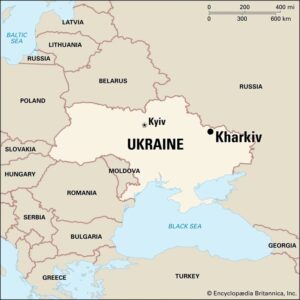
The armed conflict in Ukraine has severely affected the Kharkiv region, particularly rural areas where a large number of victims face severe material hardship. Most of them are unemployed and receive minimal disability allowance, which makes it very difficult for them to live and care for their families. Due to their disability, they face many obstacles in finding employment, and women victims of the armed conflict are particularly discriminated against. The military conflict has also had a drastic impact on the mental health of the population, causing severe psychological trauma, loss and feelings of helplessness. Beekeeping can play a key role in the reconstruction and stabilisation of affected communities.
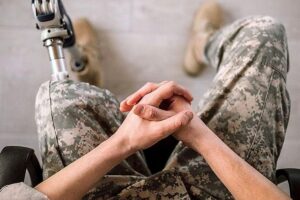 The purpose of the project
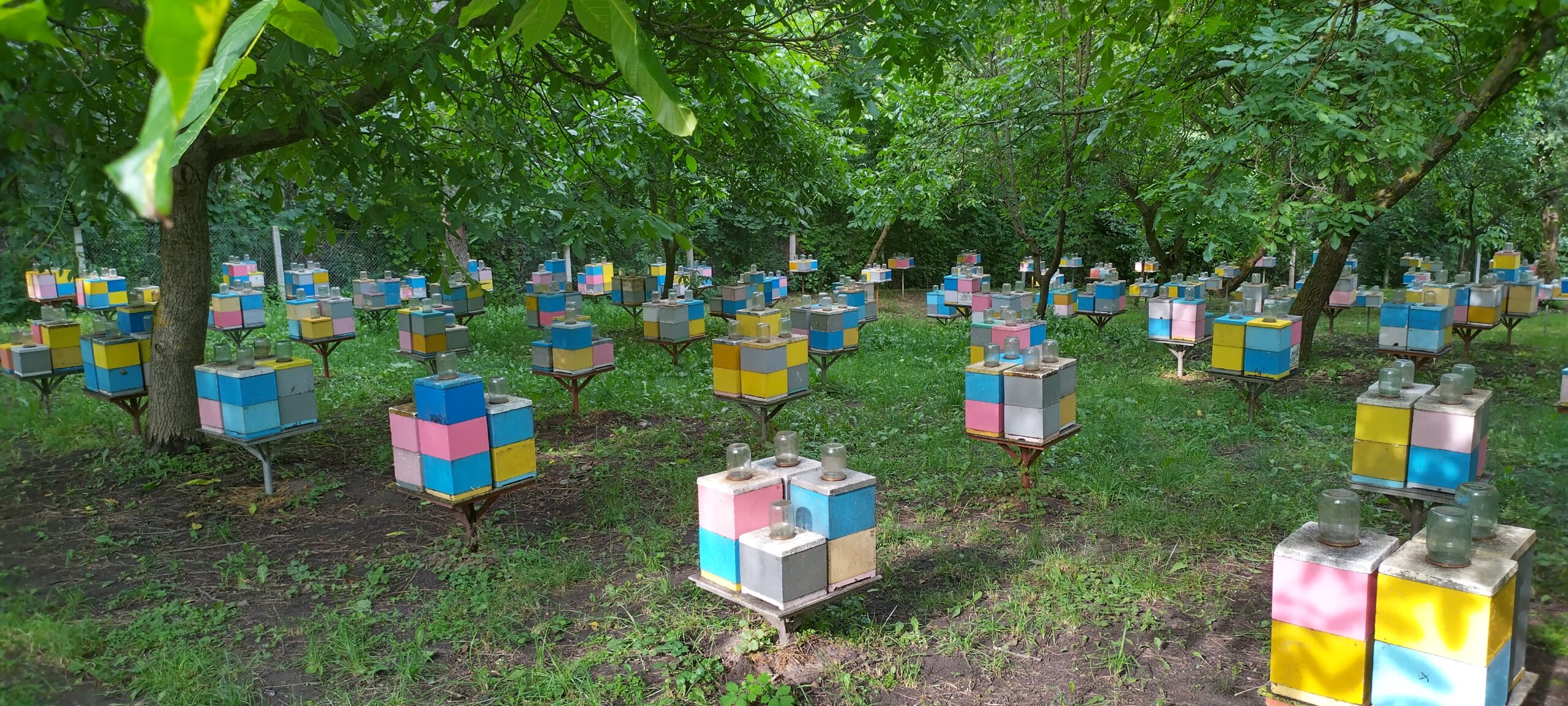
The pilot project ‘Beekeeping for People with Disabilities to Empower Victims of Armed Conflict from Ukraine’ aims to educate victims of conflict about beekeeping in order to provide them with an additional source of income. It is an activity that does not require complex technology to start up and is suitable for areas where resources are limited and can be carried out by both men and women. Beekeeping can provide a stable source of income for households, including persons with disabilities, as it can be done from home. By learning about beekeeping and purchasing equipment to work with bees, victims of conflict will have a better chance of becoming successful beekeepers.
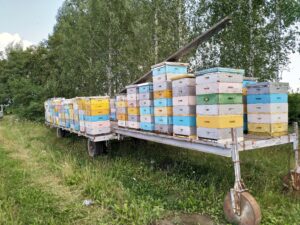 Many have lost hives, beekeeping equipment, and the infrastructure needed to produce honey and honey products in the armed conflict but are unable to buy them back due to limited financial resources and supply problems. For the victims of the conflict, beekeeping would mean additional income, reintegration into society and a decent life, while spending time in nature would contribute to their overall well-being. Basic equipment will be purchased for the beekeepers – victims of the armed conflict – who will participate in the online education, and for the Kharkiv Region Association of Beekeepers or the Union of Beekeepers of Ukraine. The project will also place greater emphasis on promoting beekeeping among victims of conflict as a potential source of income. Training will also raise awareness about living with nature and protecting the environment.
Specific objective
To integrate people with reduced mobility and psychosocial problems – victims of armed conflict and their family members into the work process, making beekeeping accessible to all.
Empowering vulnerable groups, raising awareness about living with nature and protecting the environment, and developing social skills such as socialising among beekeepers, helping each other and working with bees.
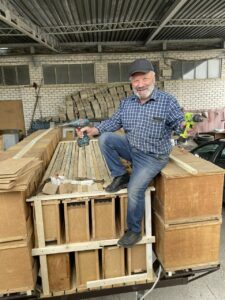 Online education
Online beekeeping education is intended for beekeepers – victims of the conflict from the Kharkiv region of Ukraine and their immediate family members. The education covers topics suitable for beginners as well as for established beekeepers and includes the aspect of ecological awareness in the beekeeping process.
- Guidelines for good hygiene practices in beekeeping
- Bee nutrition
- Beekeeping tasks by month
- Bee healthcare
- Organic beekeeping
The online training was conducted from 9 to 12 December 2024 and was attended by a total of 54 participants, 7 of whom were soldiers/veterans with disabilities, 5 women – families of fallen soldiers and 12 – military personnel of the Armed Forces of Ukraine.
 Purchasing equipment
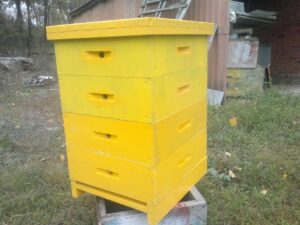
Purchase of over 26 sets of basic equipment for beekeepers – victims of the armed conflict who participated in the online education, for the Kharkiv Region Association of Beekeepers and for the Union of Beekeepers of Ukraine.
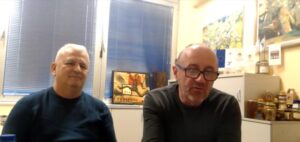
Round table
The pilot project for victims of armed conflict from Ukraine is based on the model of the successfully implemented project ‘Beekeeping as an Empowerment Tool for Land Mine Victims in Bosnia and Herzegovina’, which has been running continuously since 2021. The round table aims to transfer the knowledge and experience of the NGO UDAS from Bosnia and Herzegovina, a key local partner of the project, which brings together mine victims and their family members to claim their rights and reintegrate them back into the community.
The project is supported by the Republic of Slovenia under the “Slovenian Aid” International Development Cooperation and Humanitarian Aid Programme through ITF Enhancing Human Security. The project is implemented by ITF Enhancing Human Security’s partners Agricultural Institute of Slovenia – Beekeeping Academy of Slovenia and the Union of Beekeepers of Ukraine.