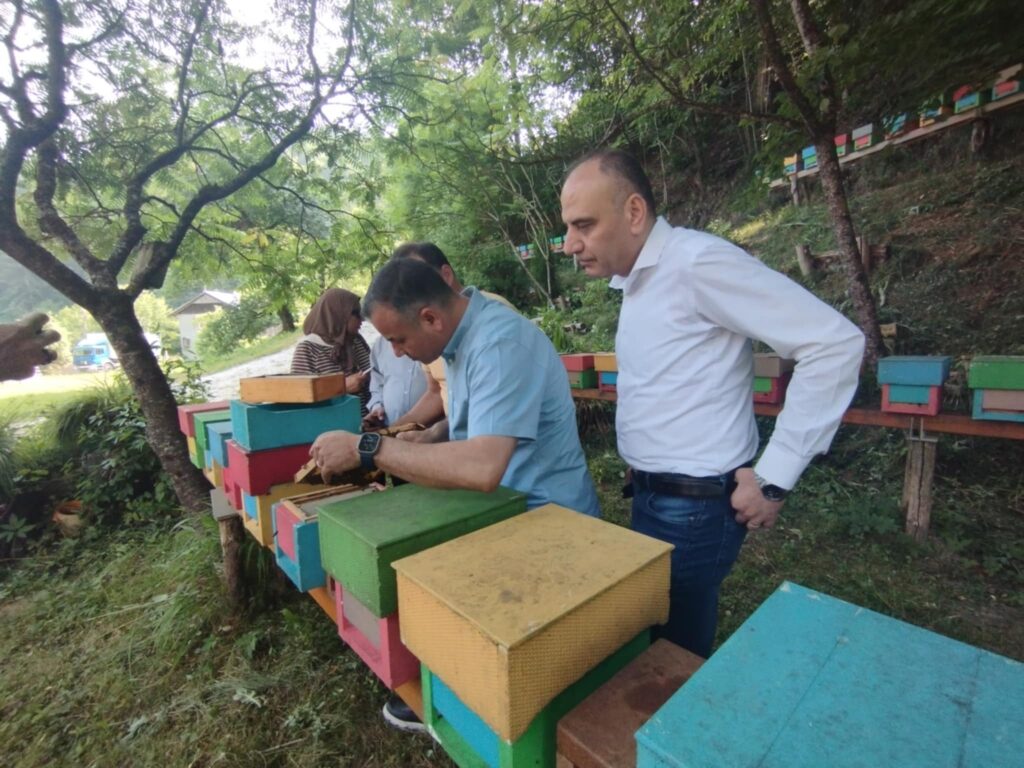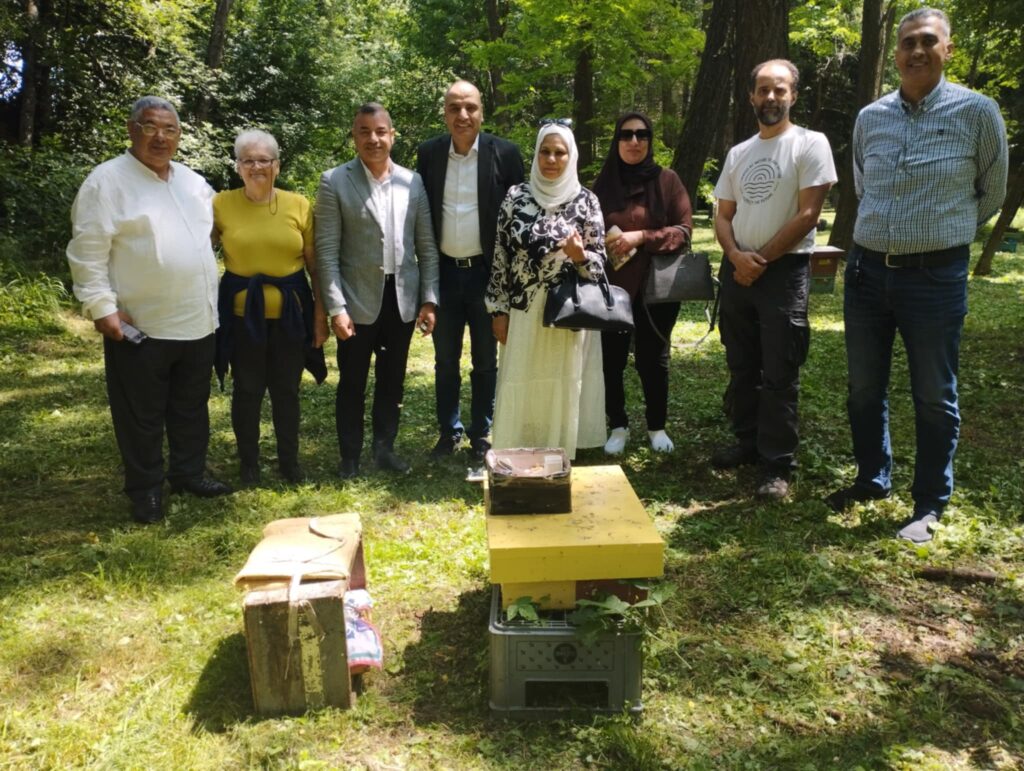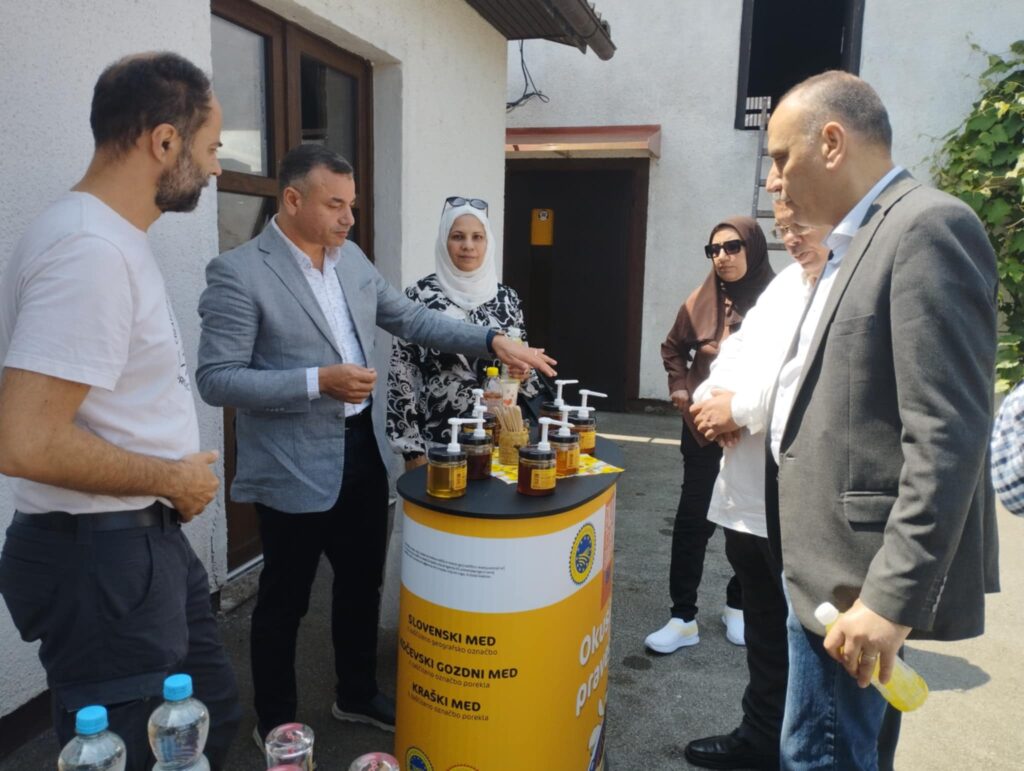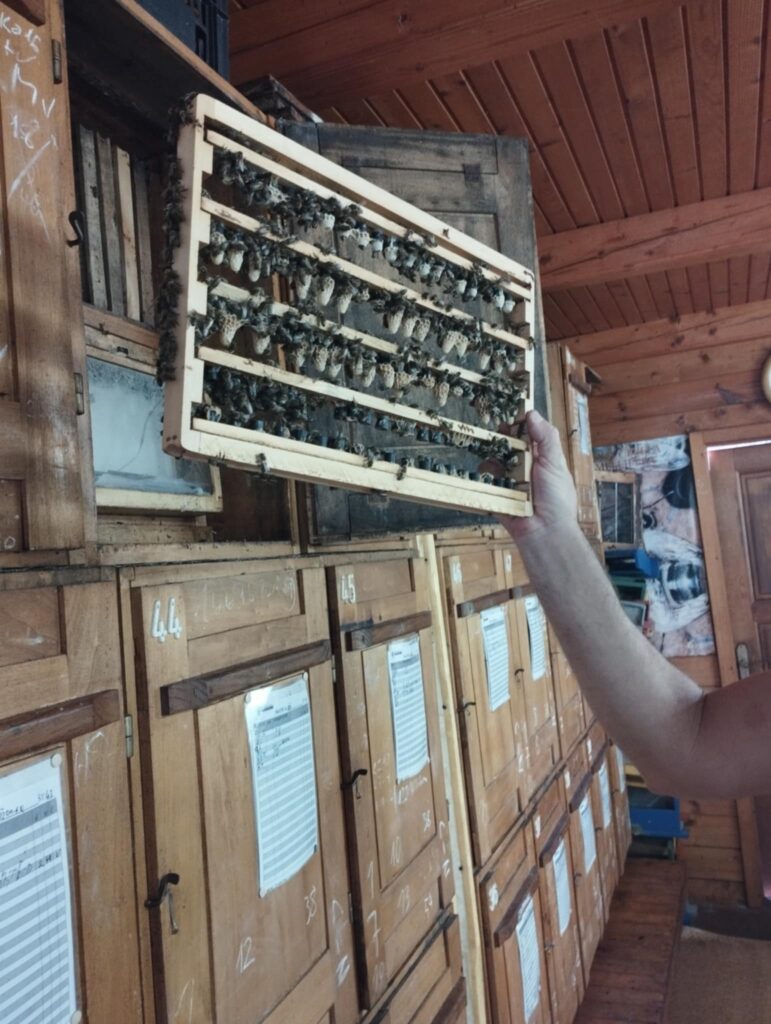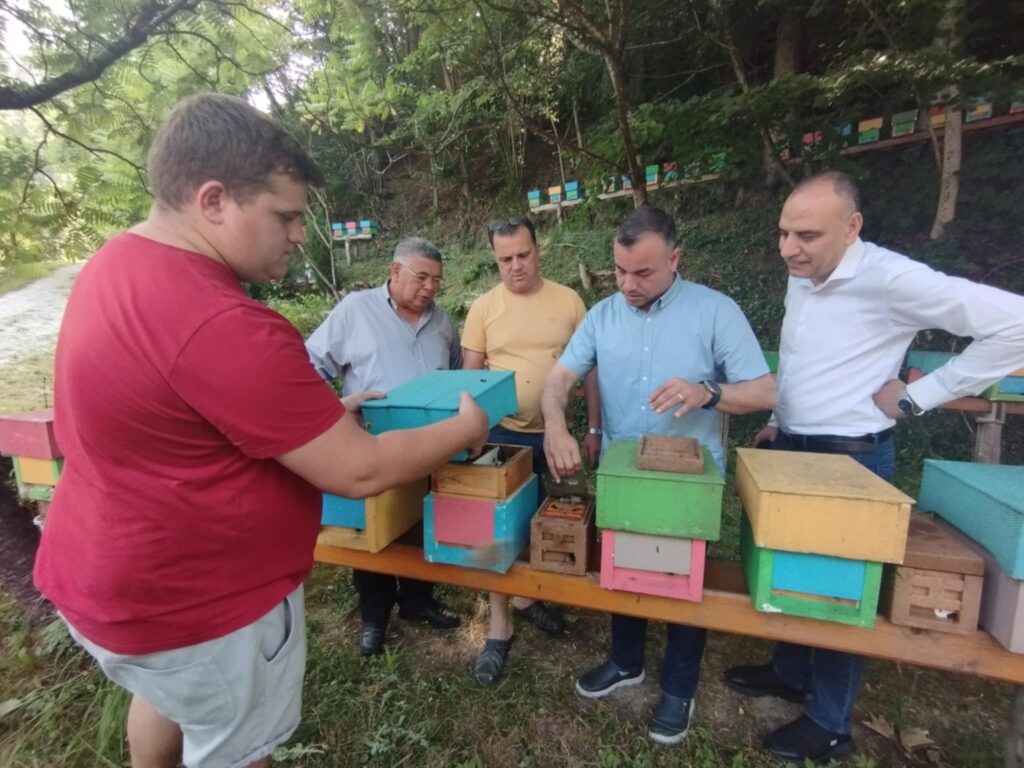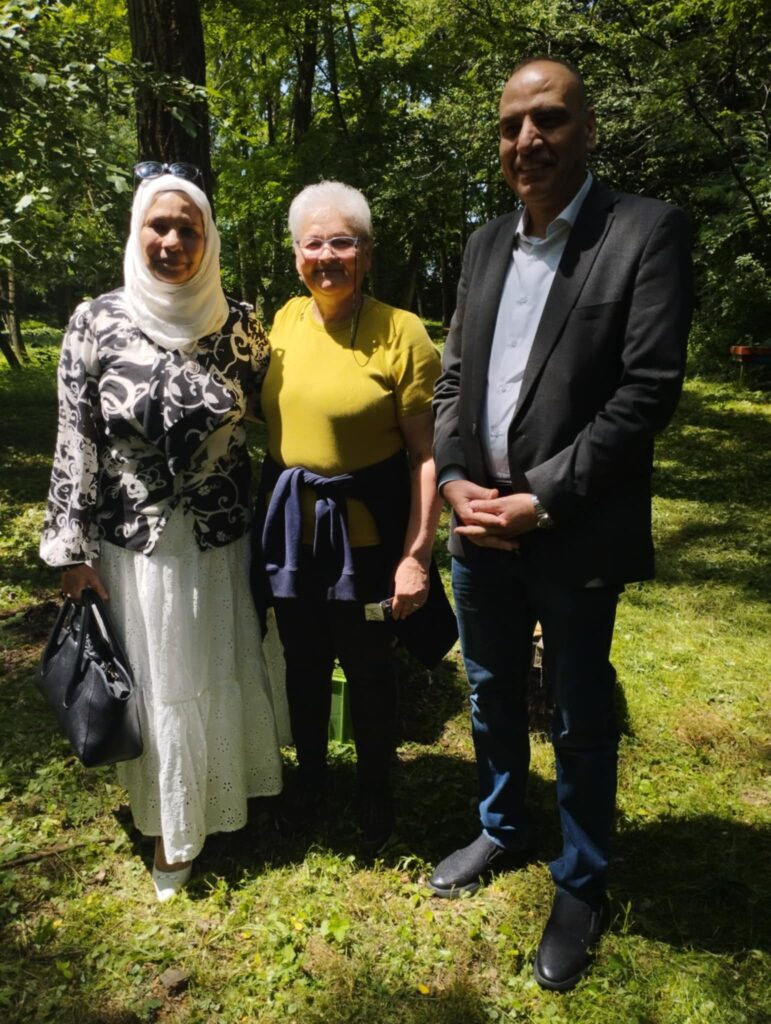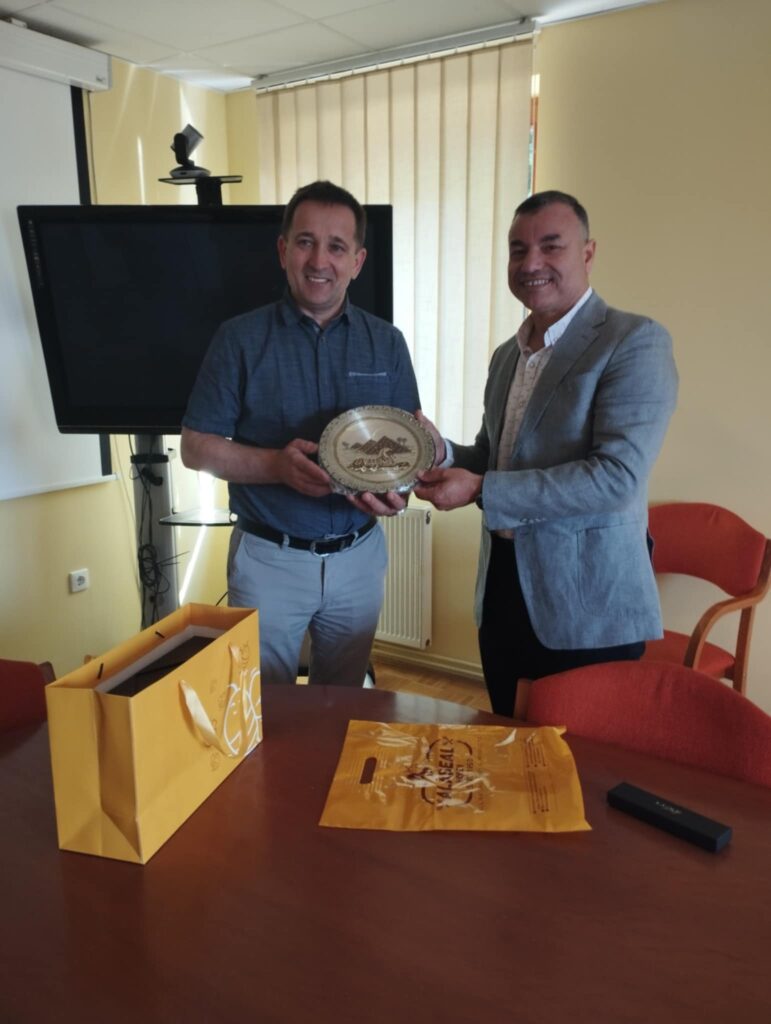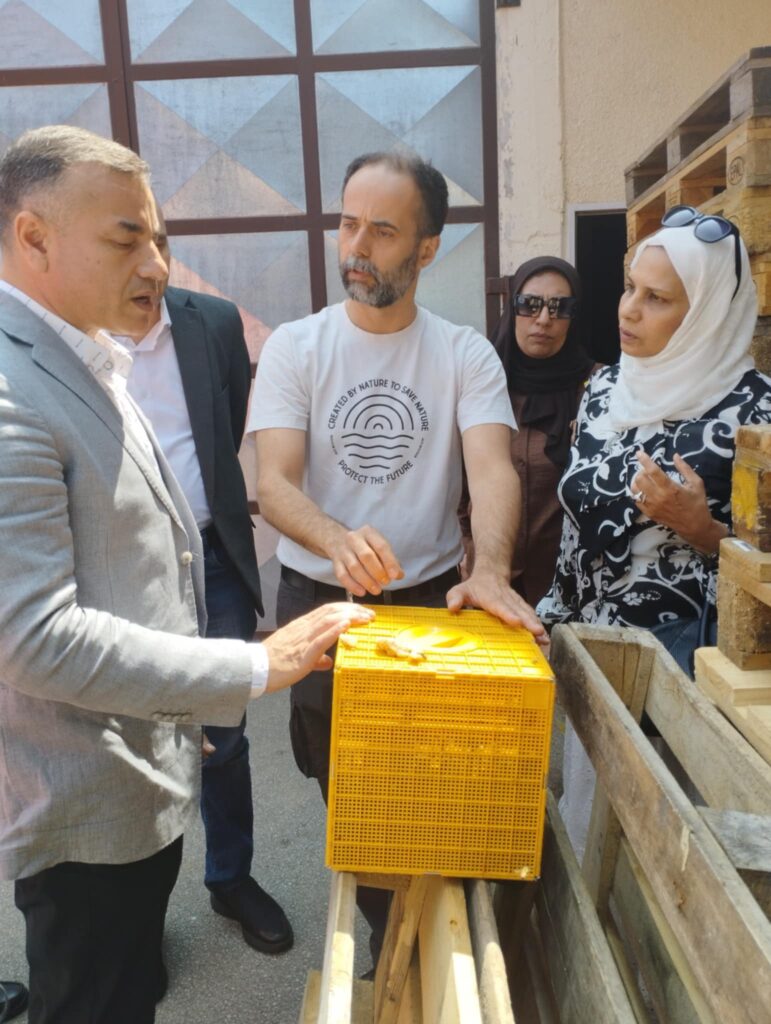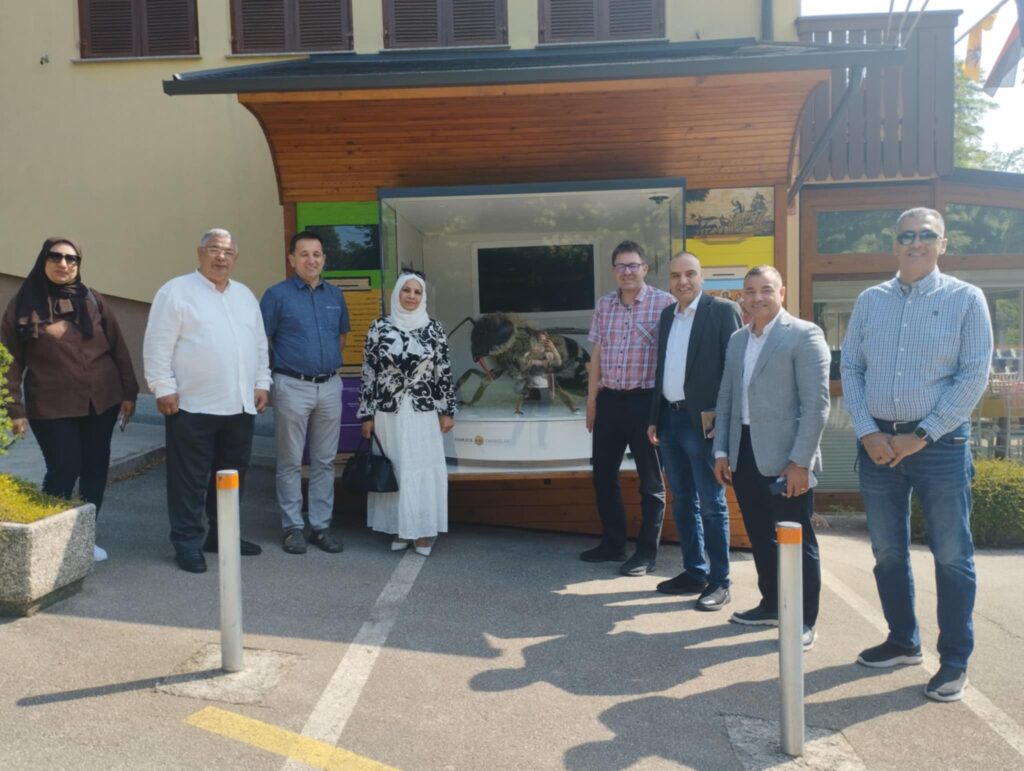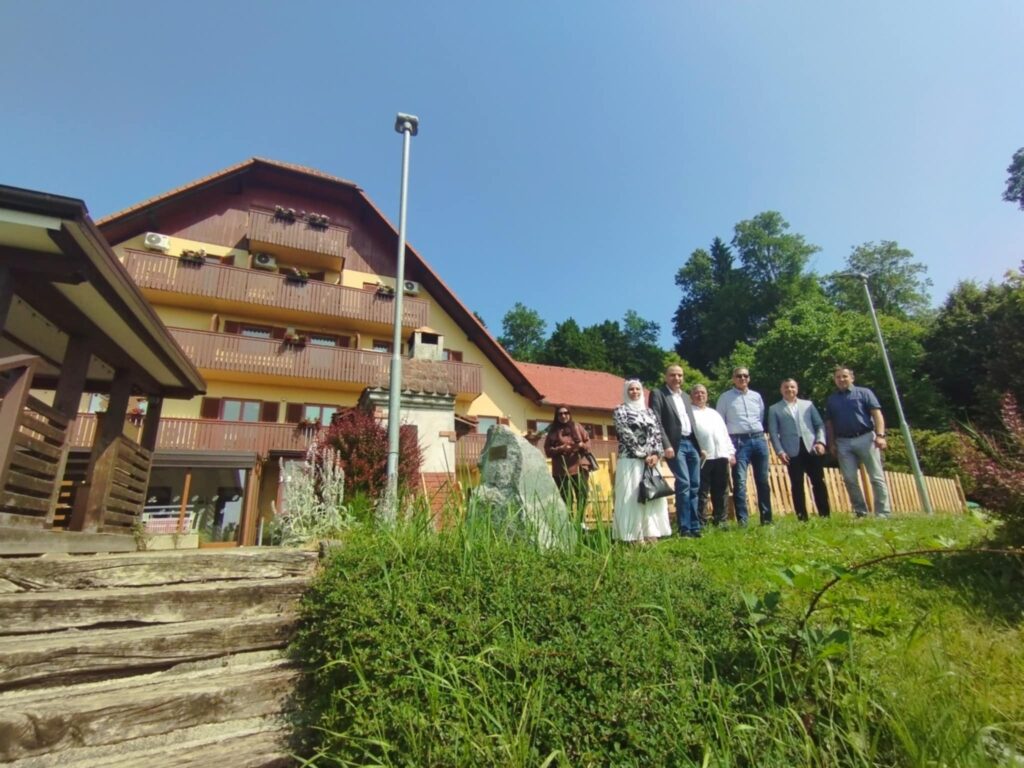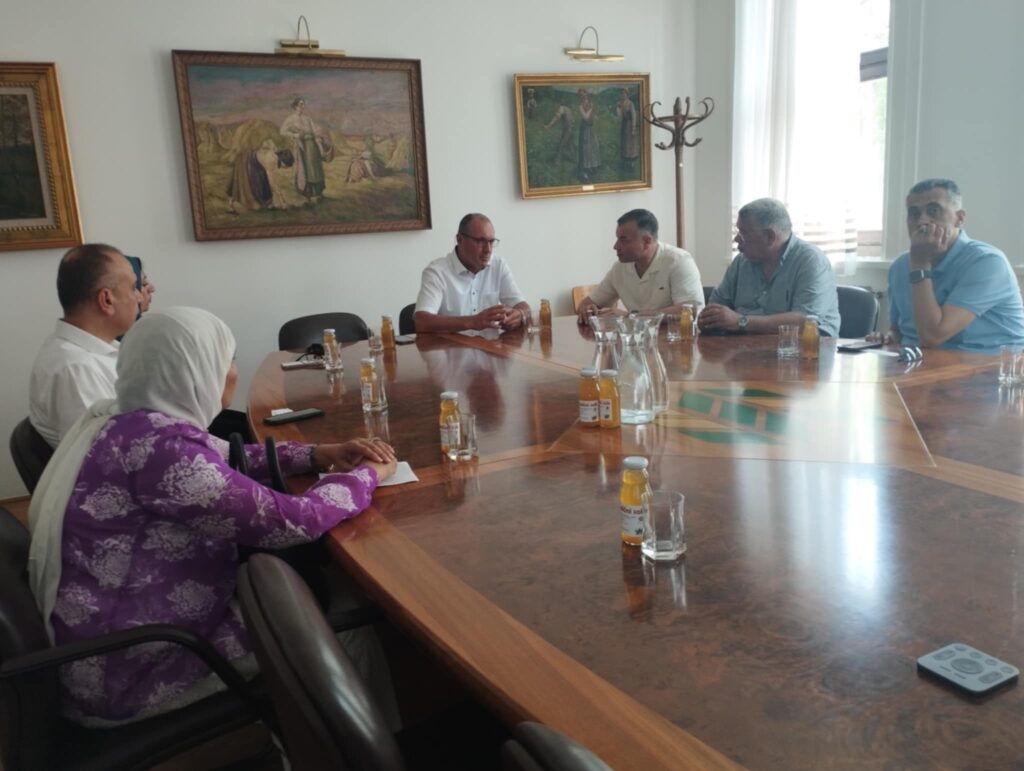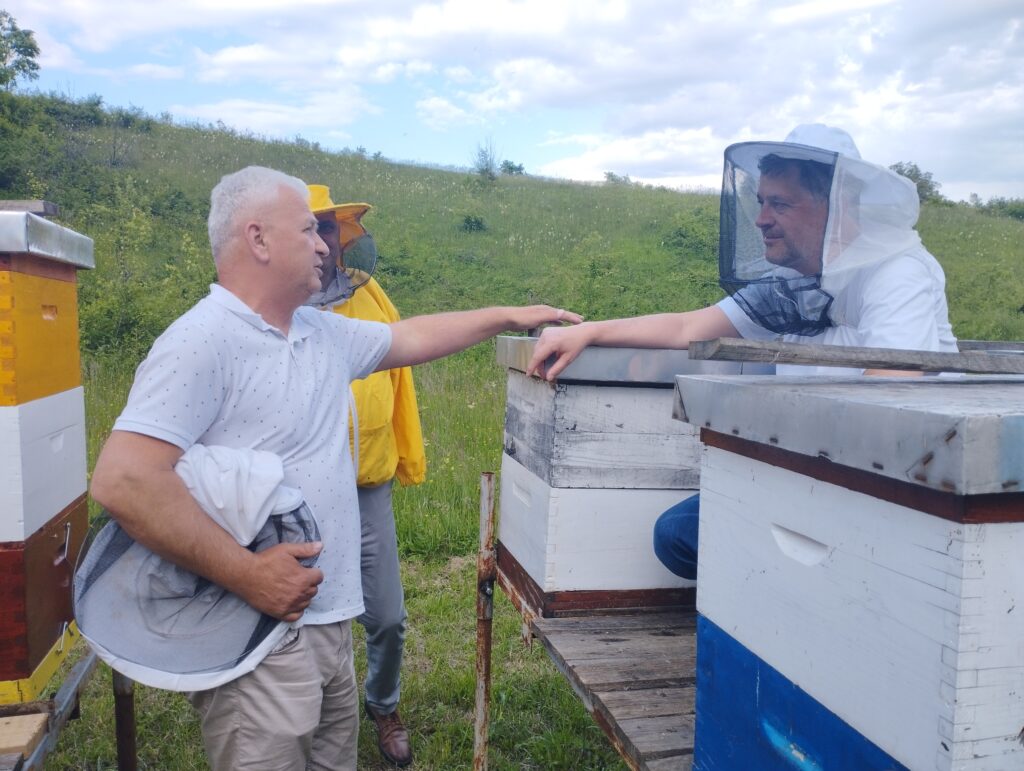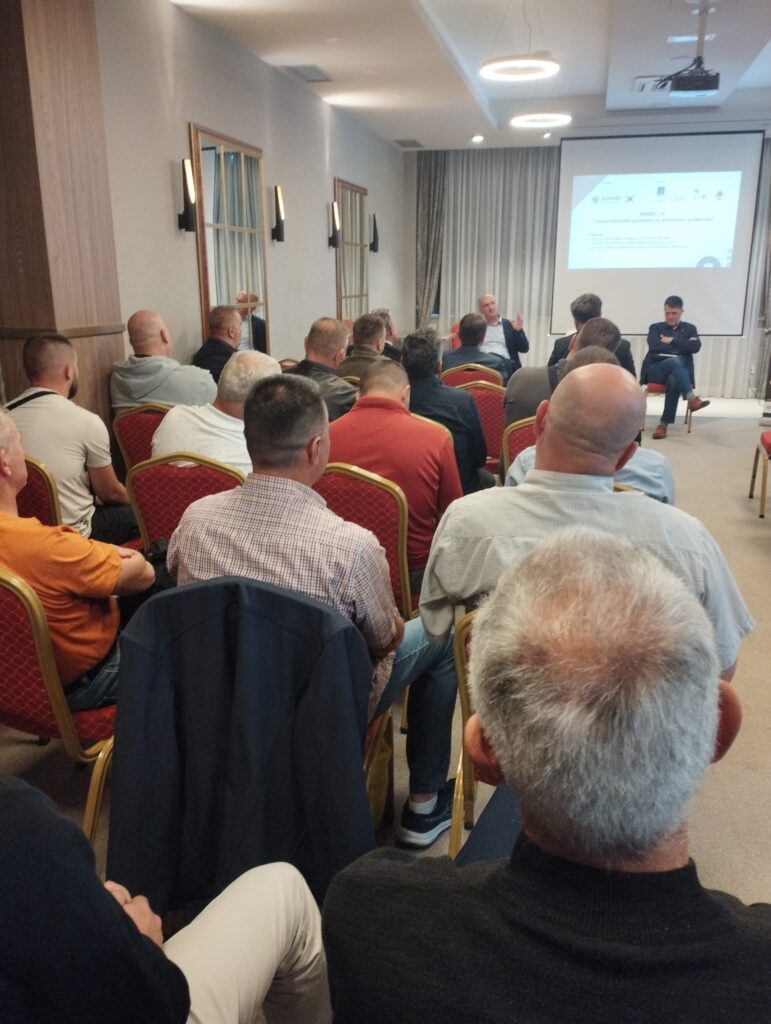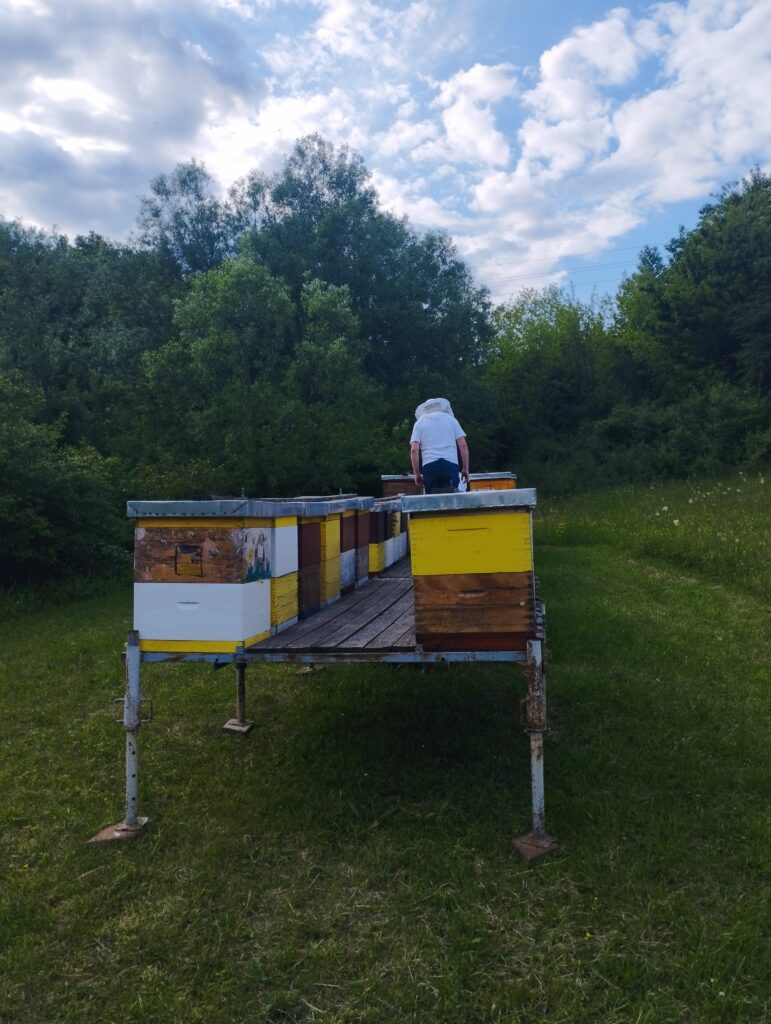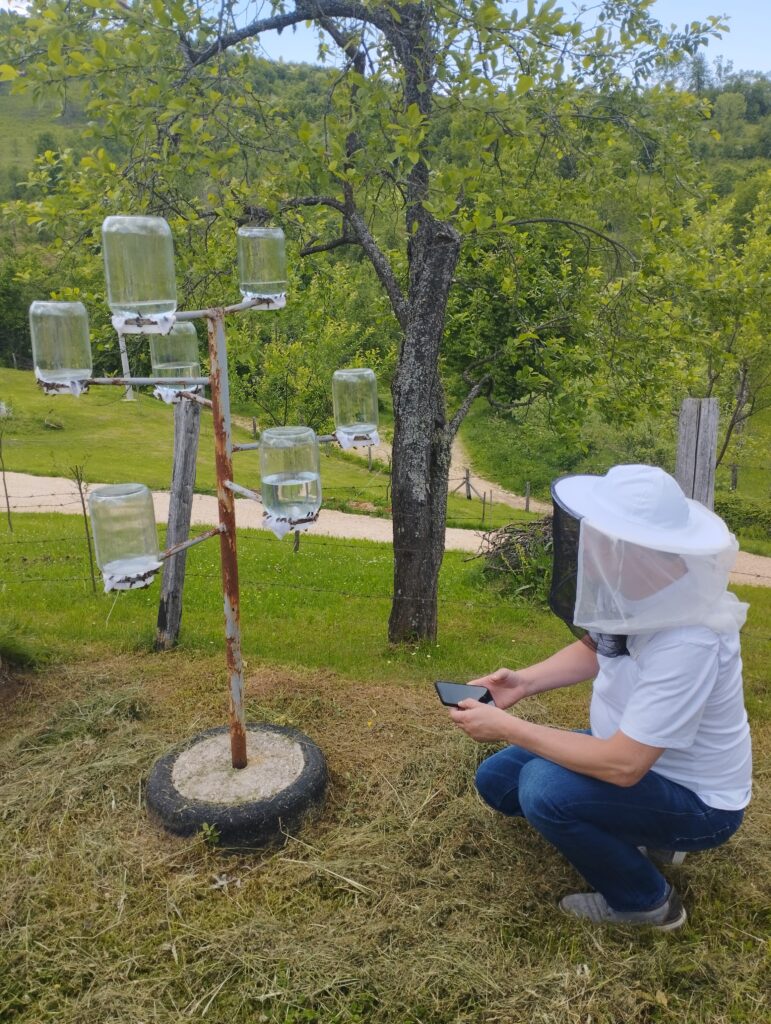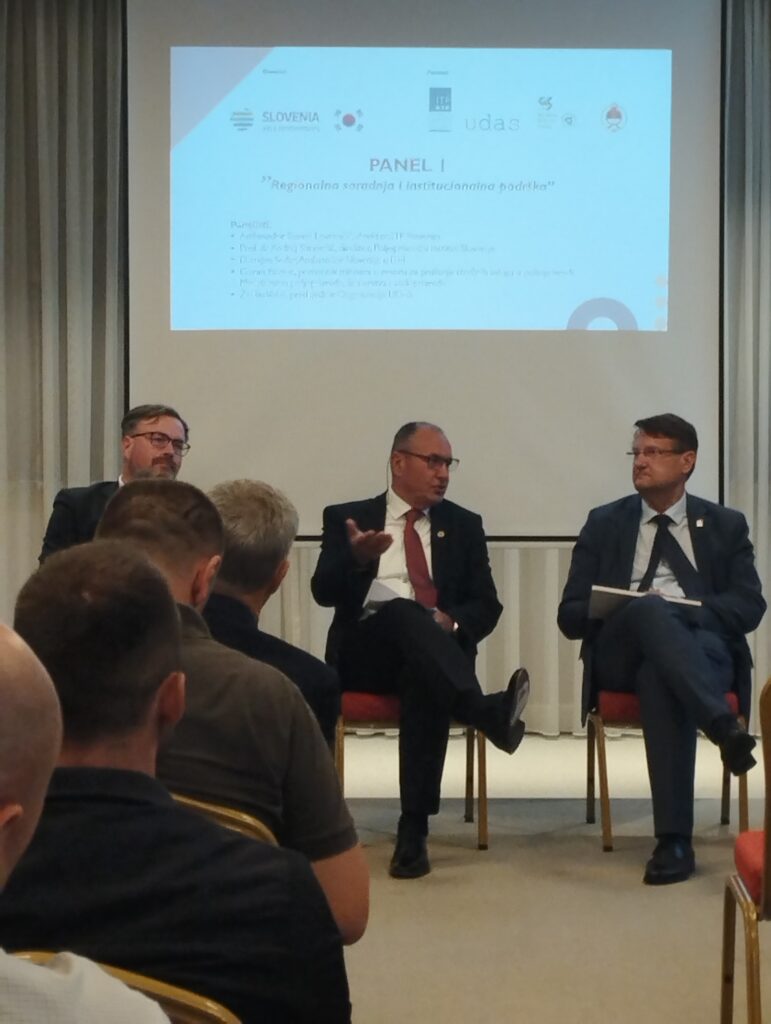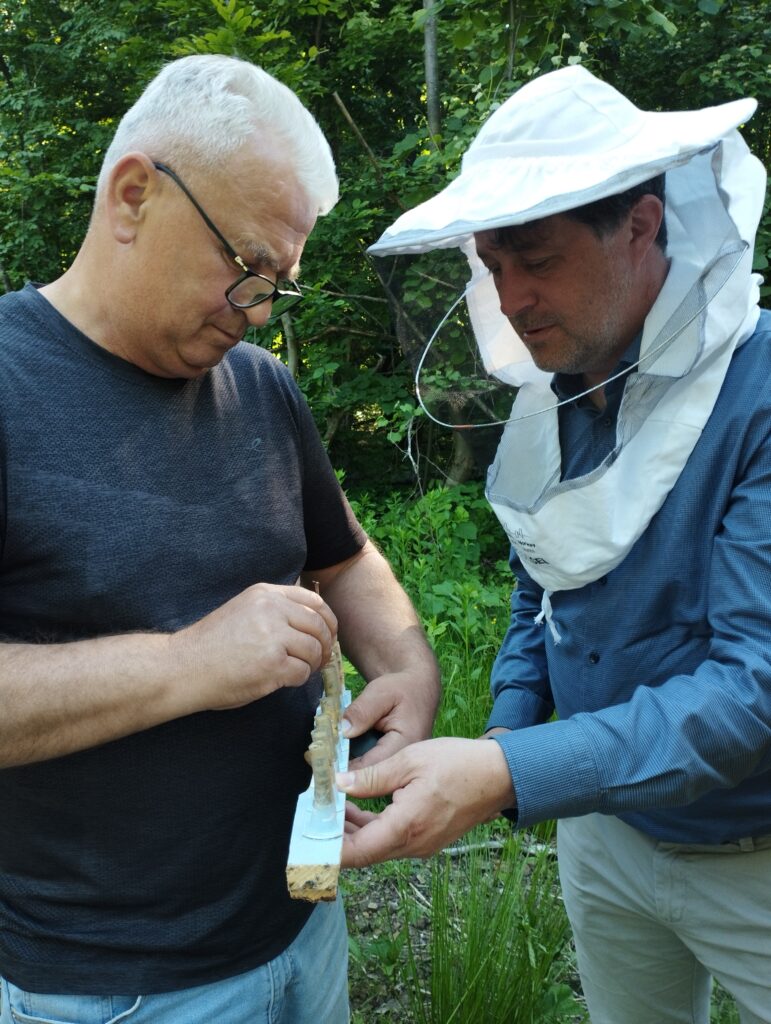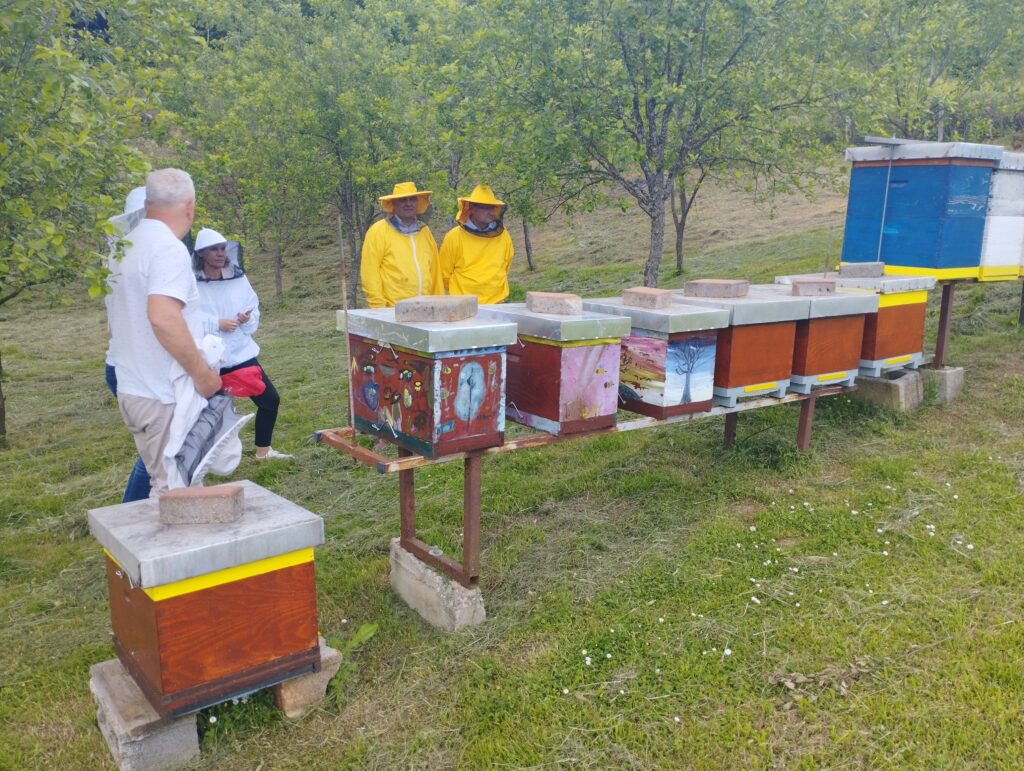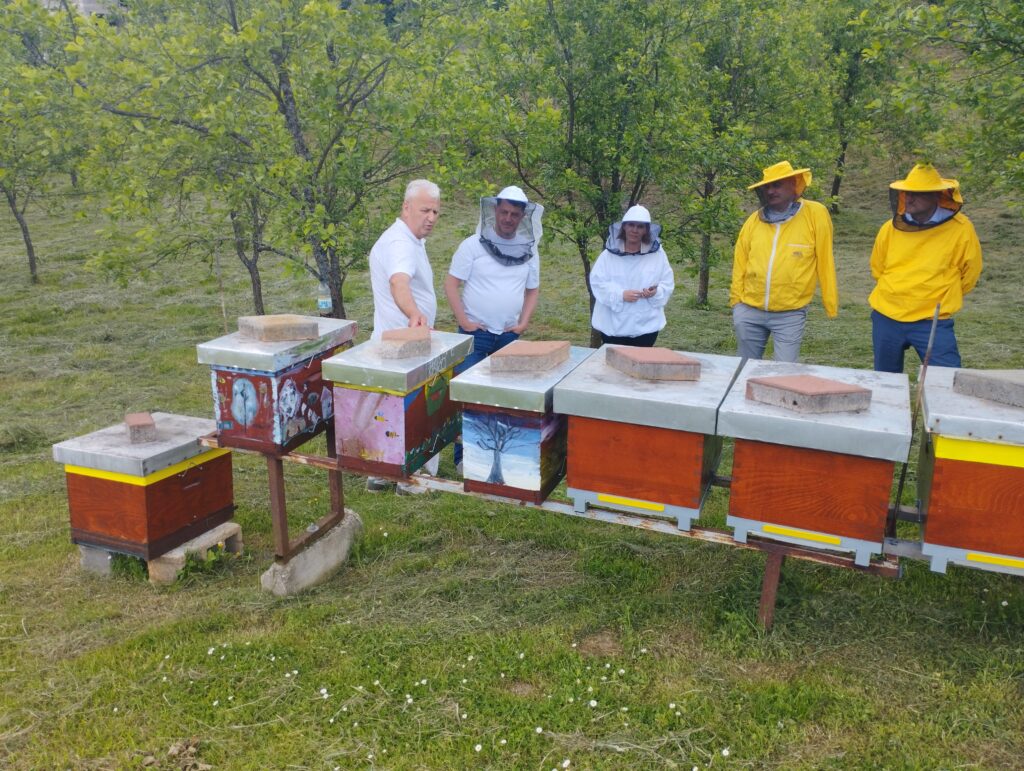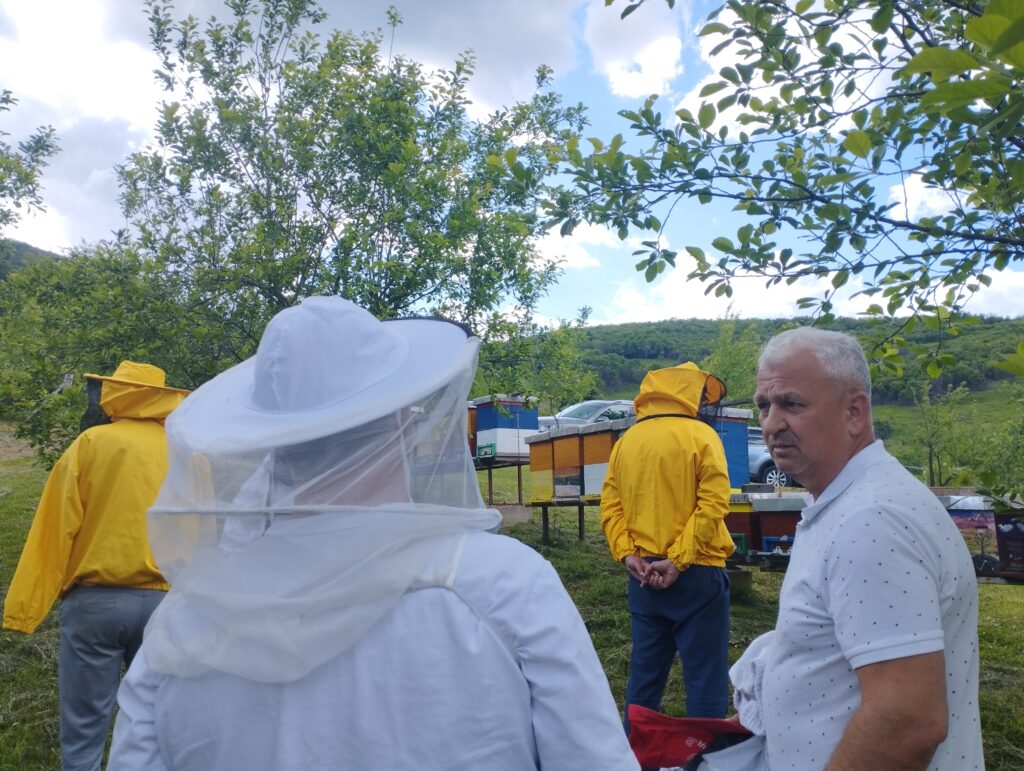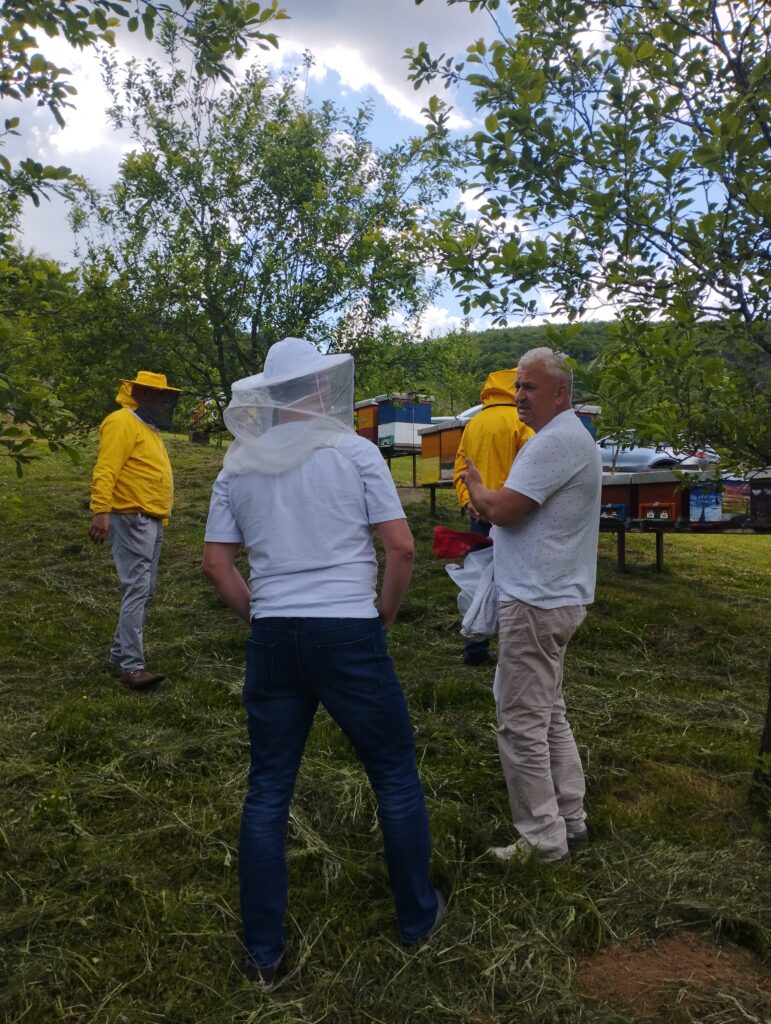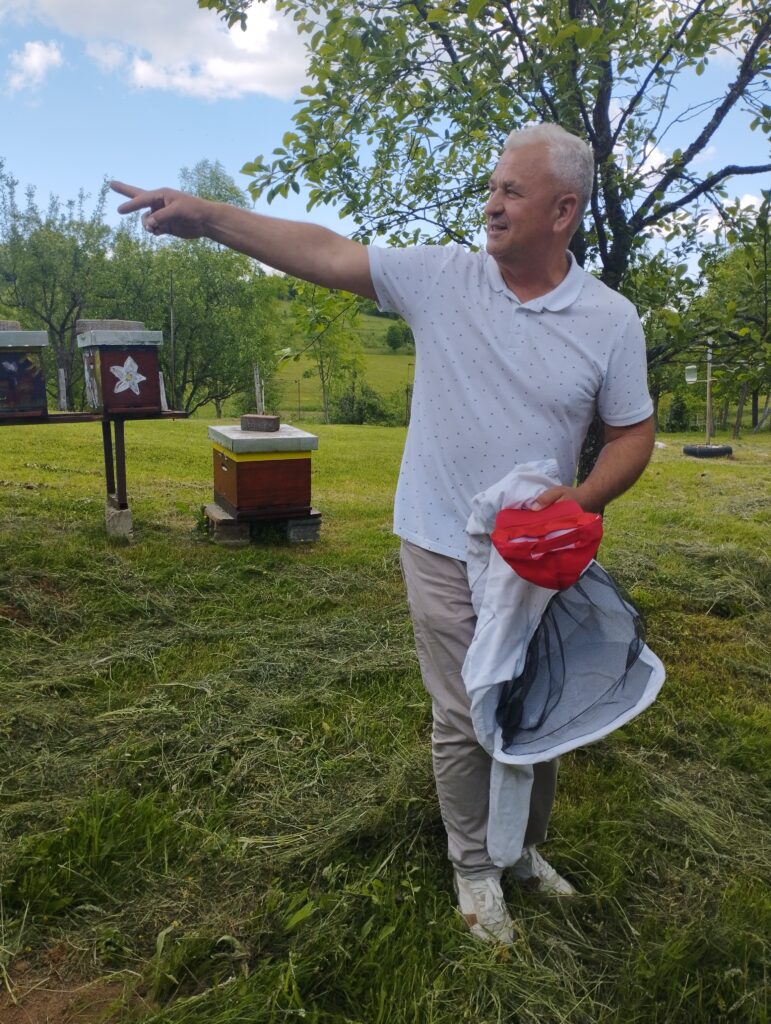
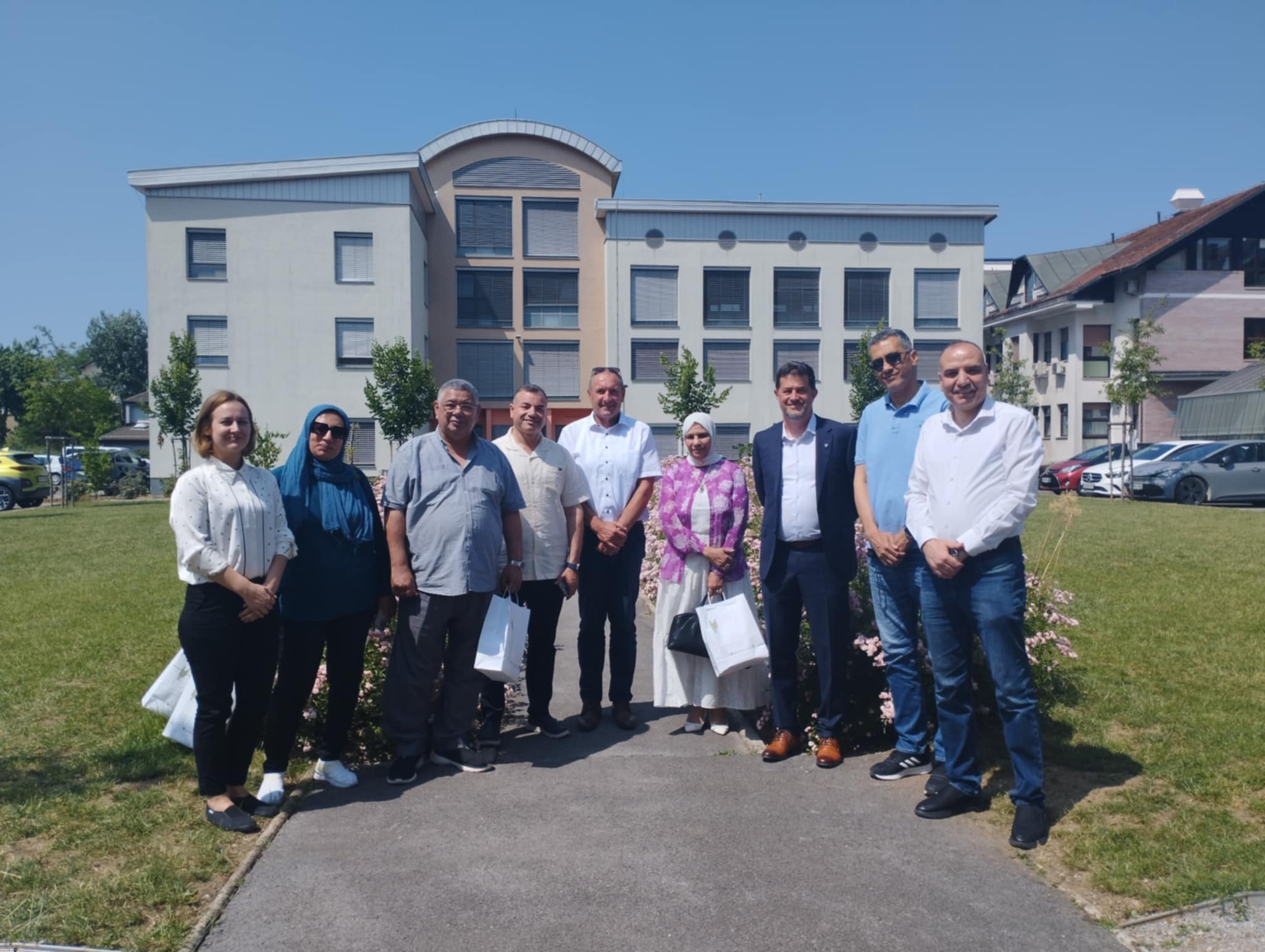
During the week of June 10th, 2025, Slovenia welcomed a distinguished delegation from Egypt, including representatives of the Arab Beekeepers Union and the Agricultural Research Center of Cairo. Their multi-day visit focused on exploring Slovenia’s world-renowned queen breeding system, veterinary support, and the legal protection of the Carniolan bee (Apis mellifera carnica).
📍Day 1 – Slovenian Beekeepers’ Association (ČZS) and National Queen Breeding Program
The visit began at the Slovenian Beekeepers’ Association (ČZS) and the European Beekeeping Association (EBA), where the delegation met:
-
Dr. Peter Kozmus, Head of the National Queen Breeding Program & Vice President of Apimondia
-
Boštjan Noč, President of ČZS and EBA
Slovenia is the first EU country to legally protect its indigenous Carniolan bee, committing itself to its preservation through breeding standards, veterinary care, and national regulations.
🐝 Visits to Queen Breeding Stations: Pislak Bali & Cvet Beekeeping
The delegation also visited:
-
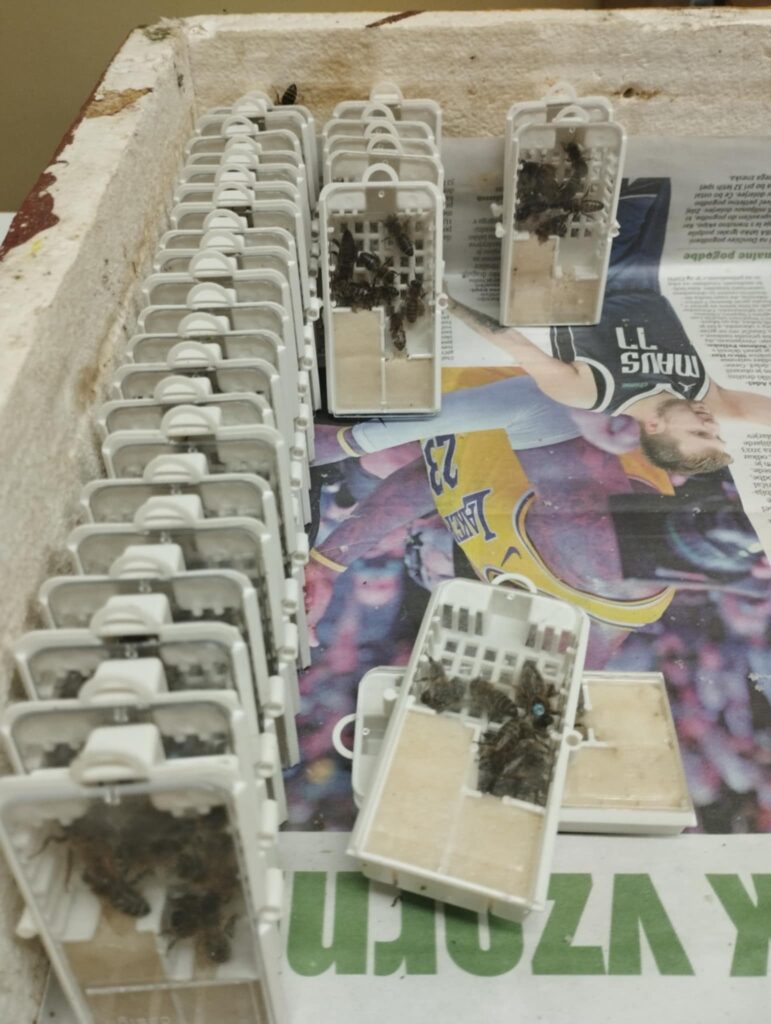
Pislak Bali Beekeeping, known for its breeding of over 450,000 queens, strong scientific approach, and collaboration with international institutes.
-
Cvet Beekeeping, a traditional queen-rearing facility that emphasizes gentleness, purity, and productivity using scientific techniques like controlled mating and selection.
🧪 Day 2 – National Veterinary Institute (NVI) & Visits to Novak & Dremelj
The following day, the group visited the National Veterinary Institute, Slovenia’s official authority responsible for monitoring bee health, diagnostics, and expert education. They met with Dr. Lucija Žvokelj, a specialist in bee medicine and veterinary support.
Later, they visited:
-
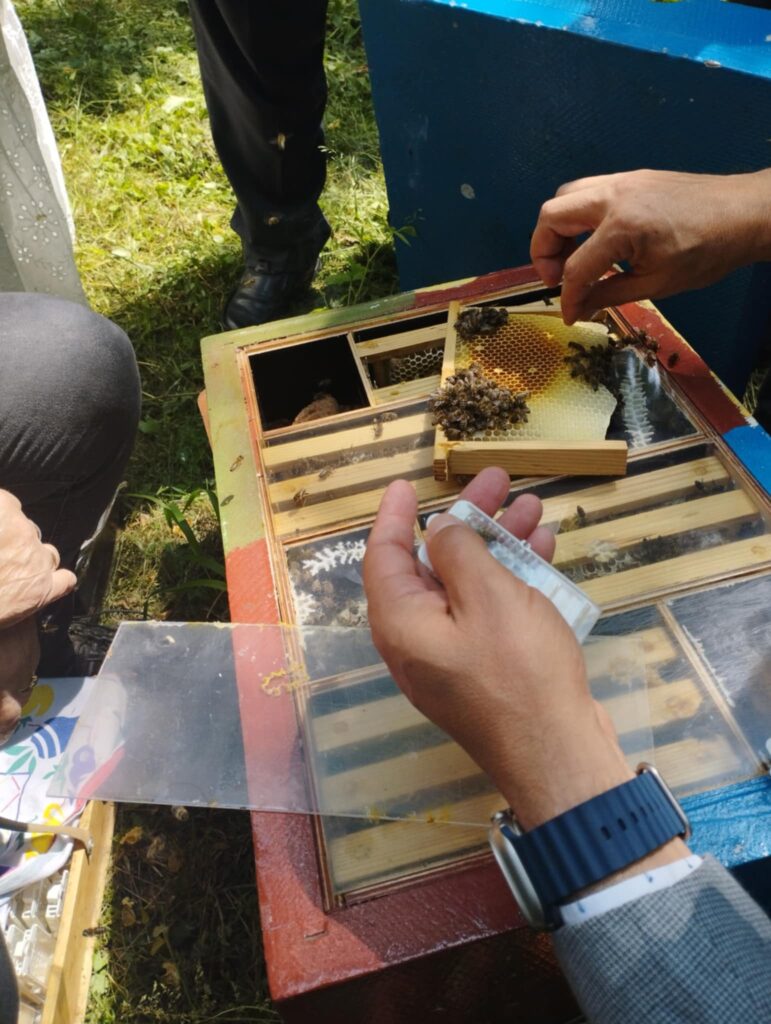
Beekeeping Novak, where queen selection is based on cubital index analysis and hygienic behavior tested with the PIN method.
-
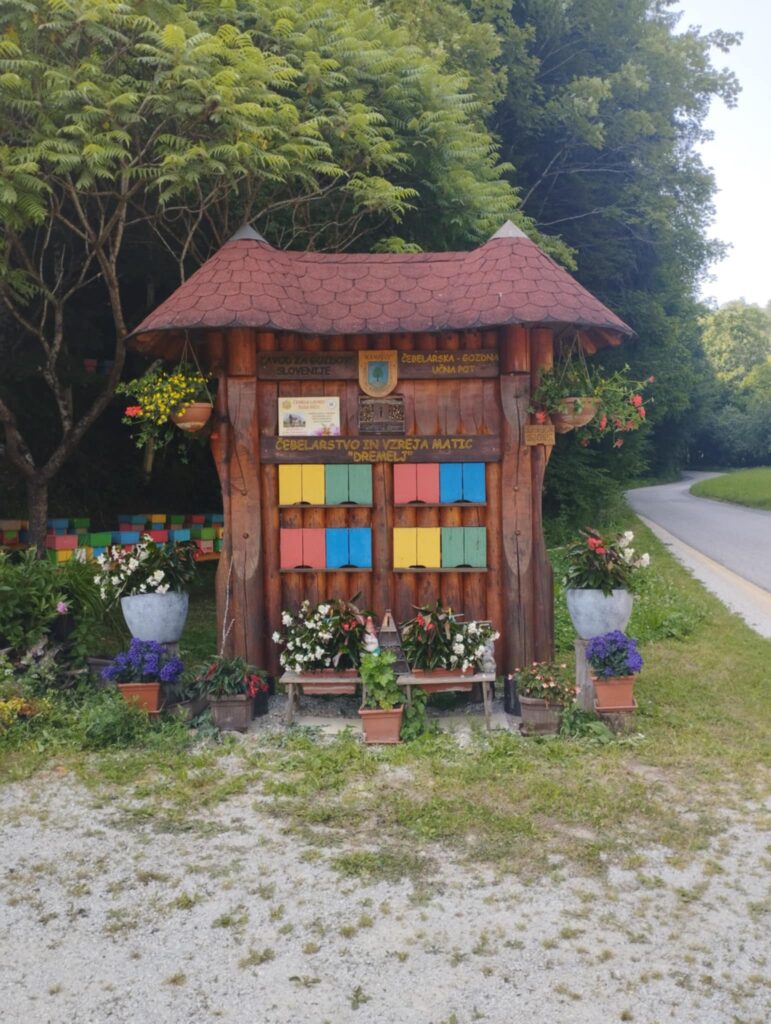
Beekeeping Dremelj, a fourth-generation queen breeder exporting 80% of their queens across Europe and Japan.
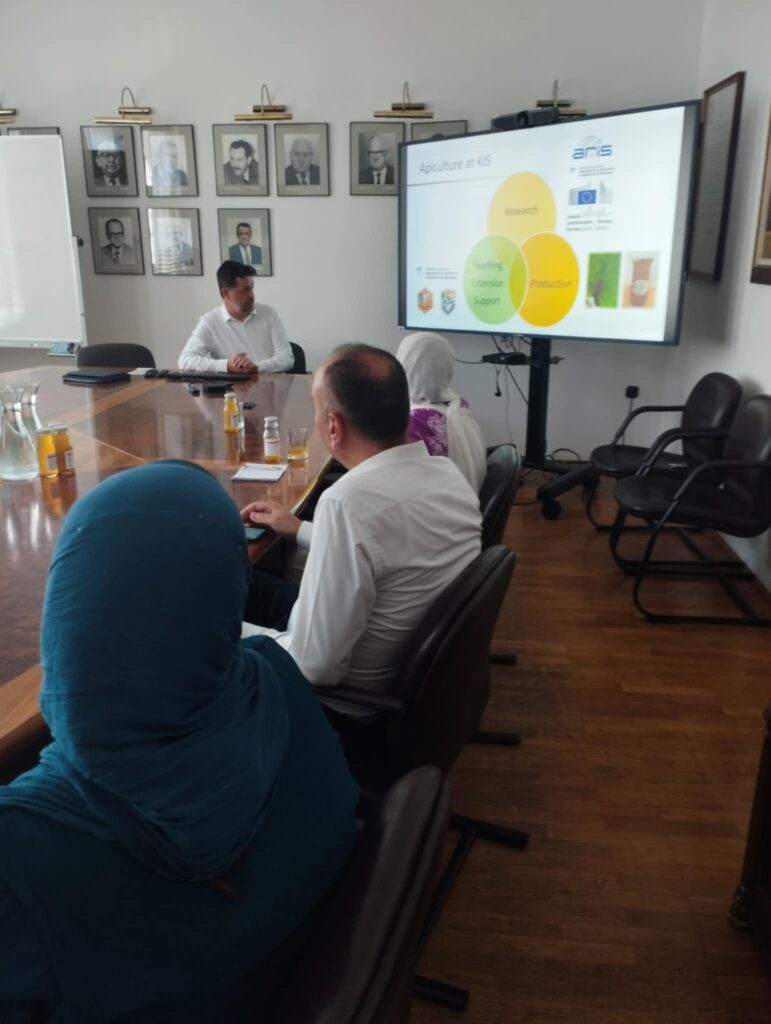
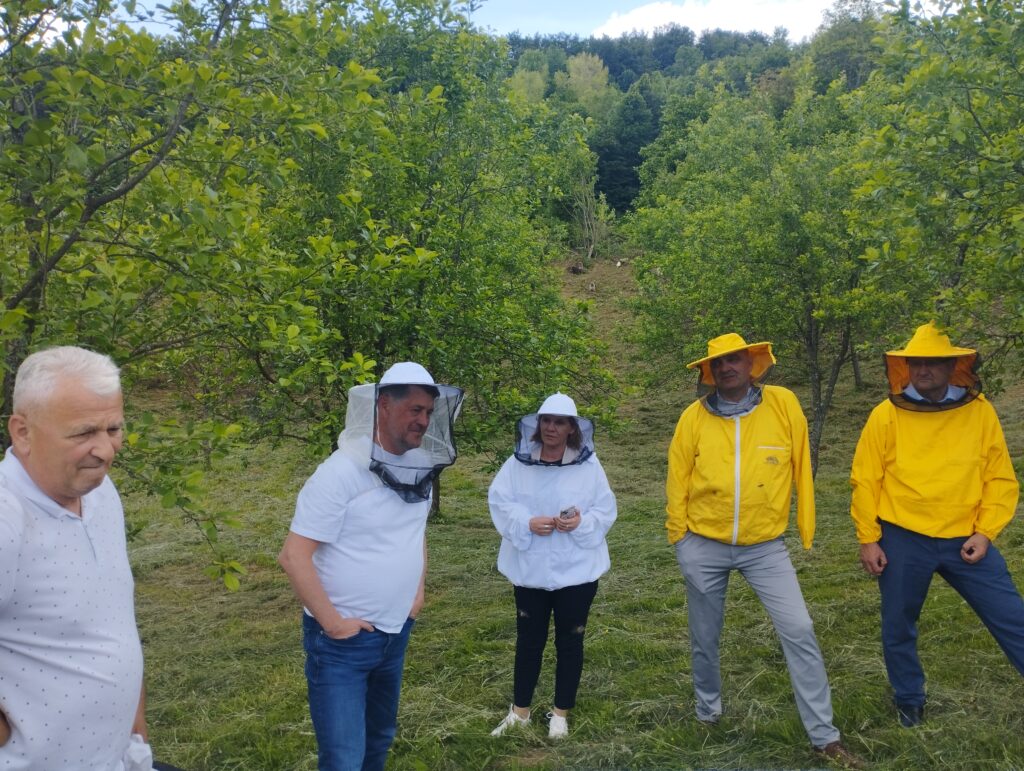
🌿 Day 3 – Agricultural Institute of Slovenia & Impressions
The final day included a visit to the Agricultural Institute of Slovenia, where the delegation learned more about research support for beekeeping in Slovenia. They were deeply impressed by how green and naturally beautiful Slovenia is – a perfect environment for sustainable beekeeping and the Carniolan bee.