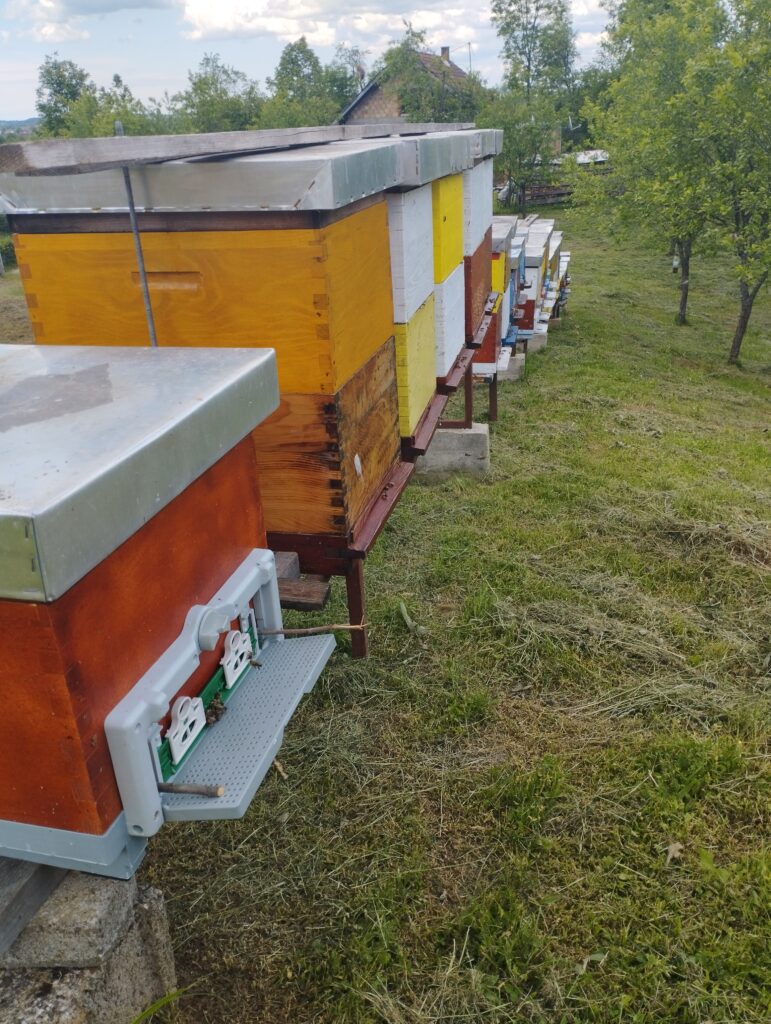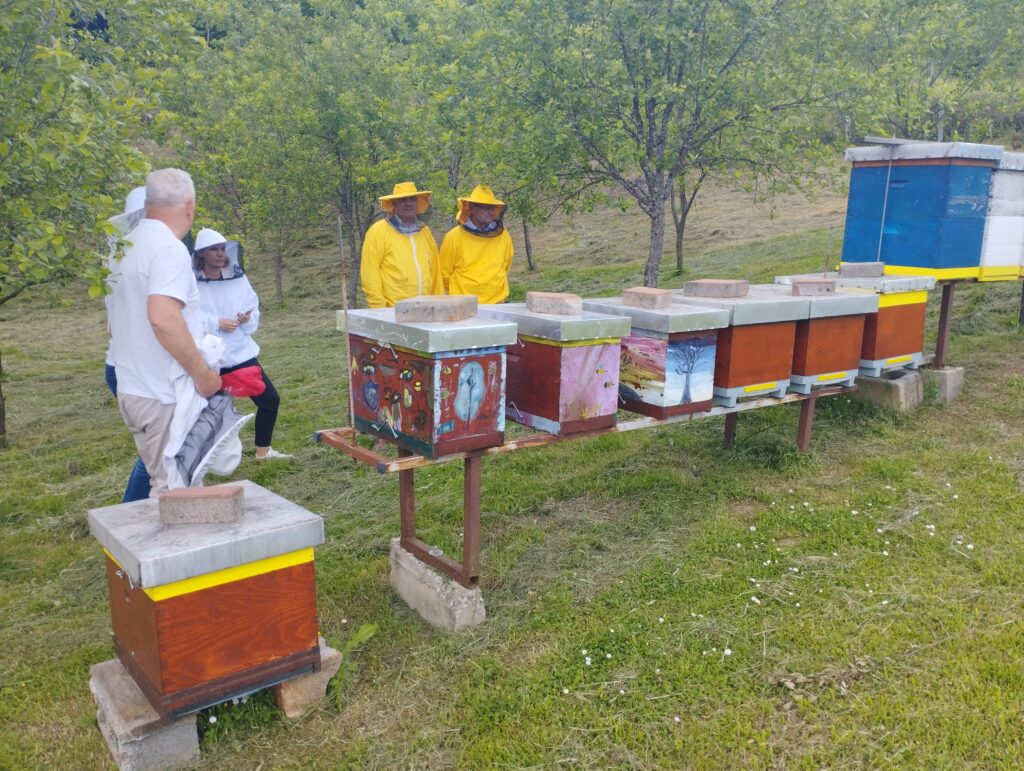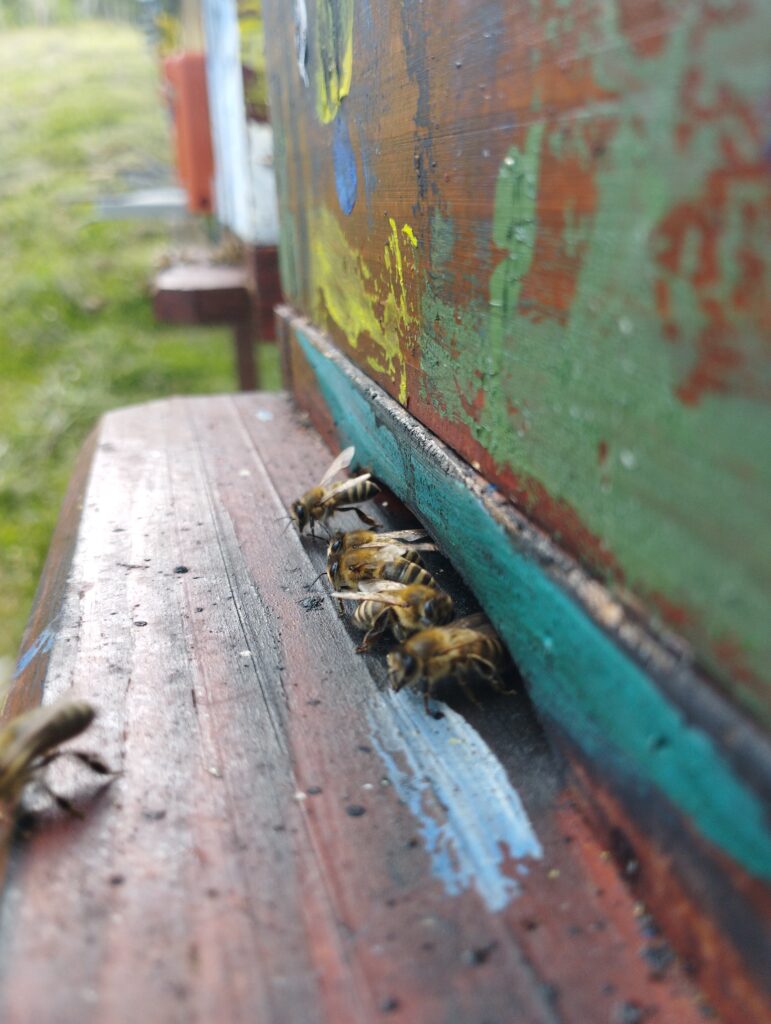
Beekeeping as a Tool for Empowerment: A Project in Mostar

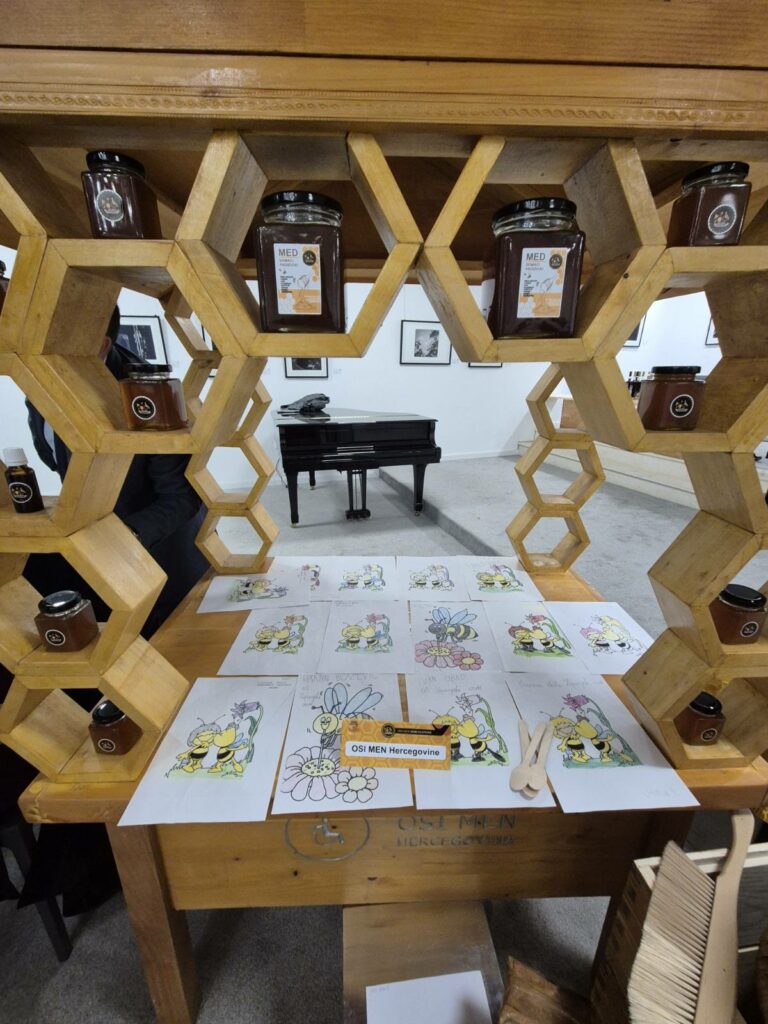
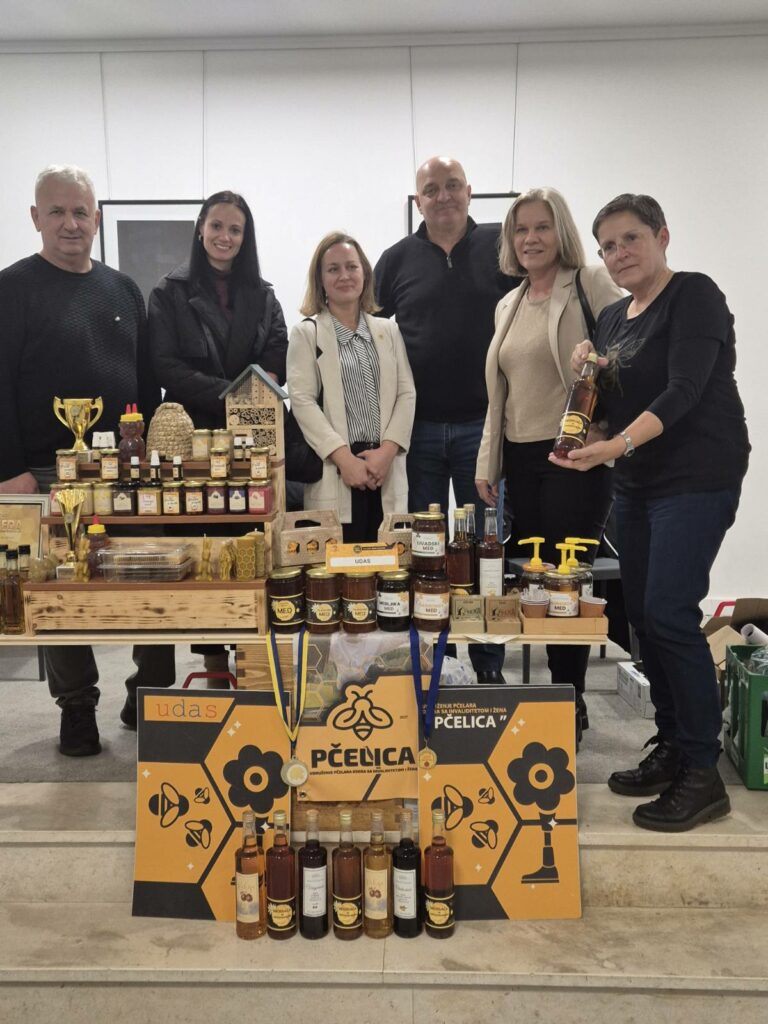
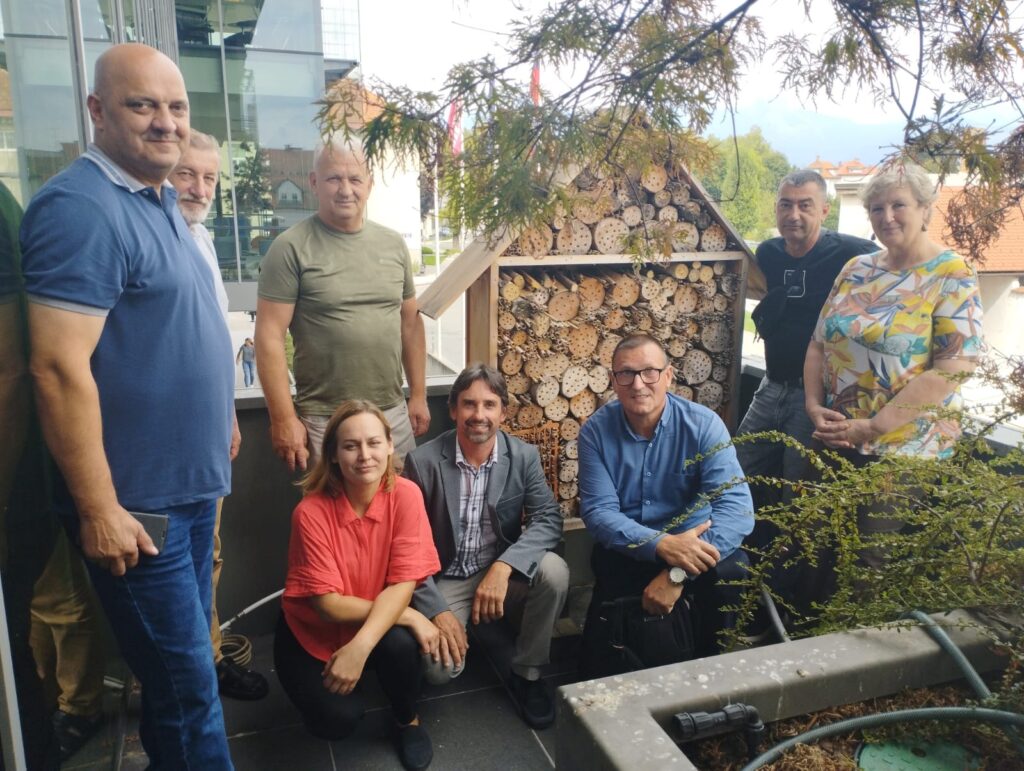
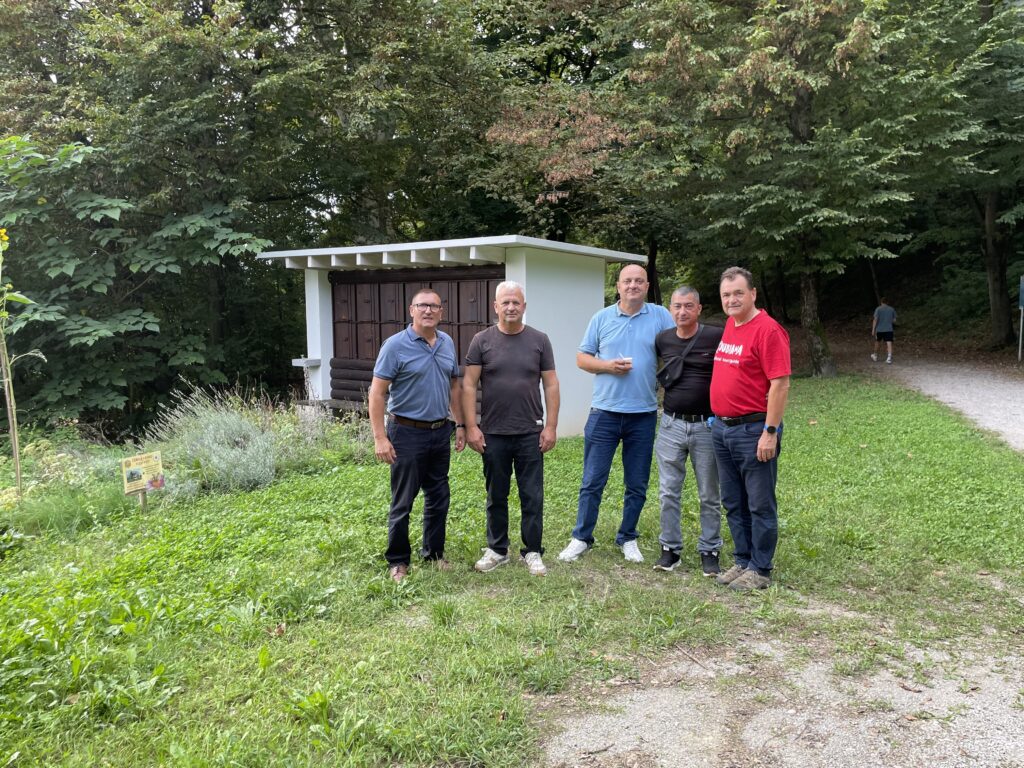
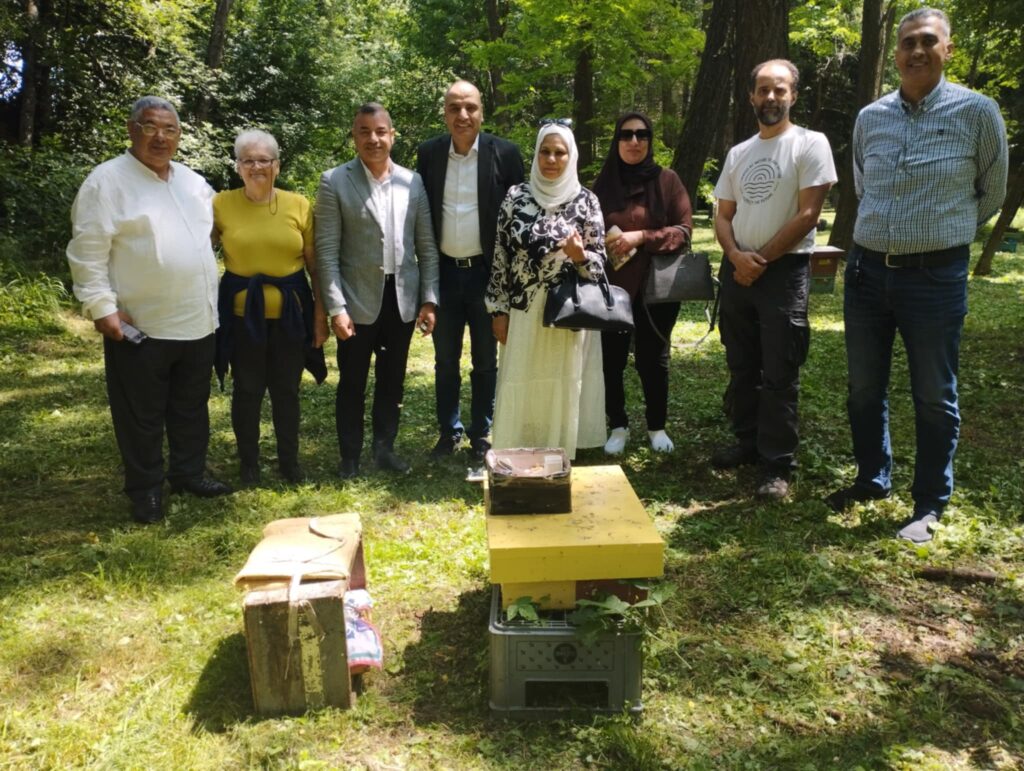
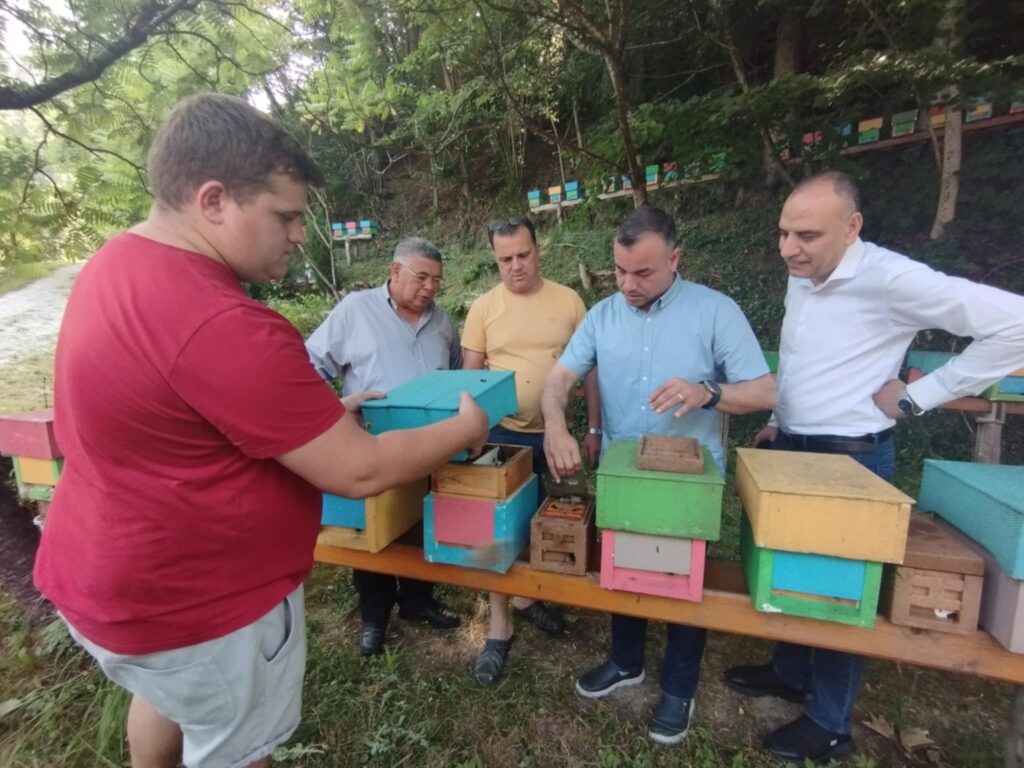
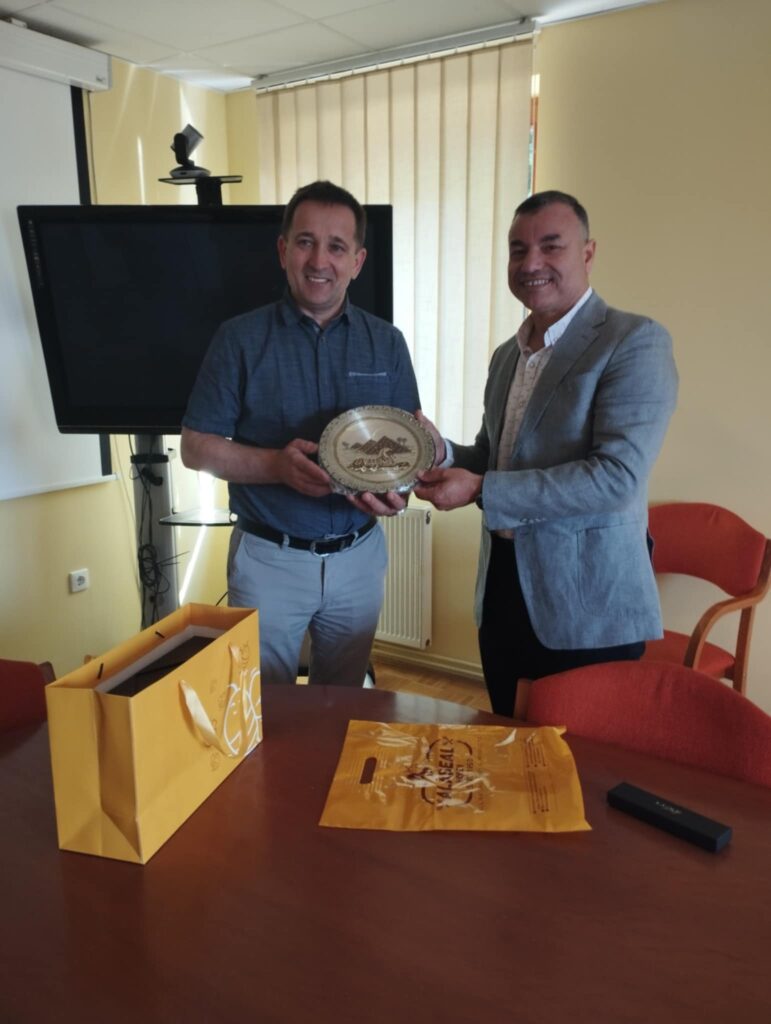
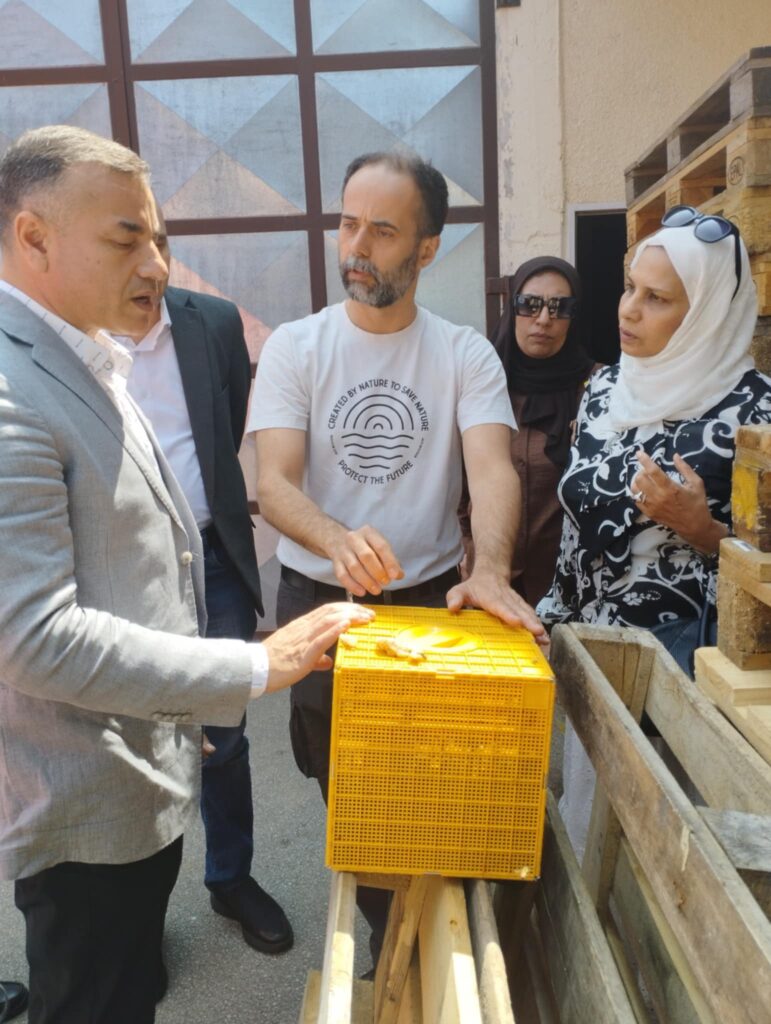
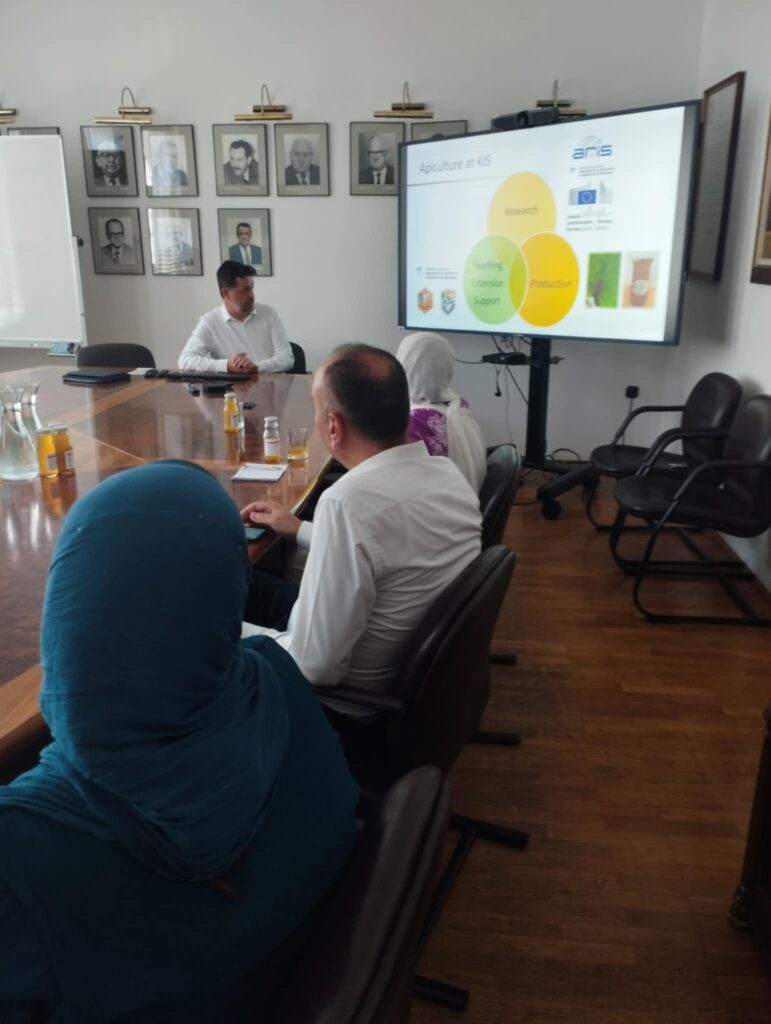
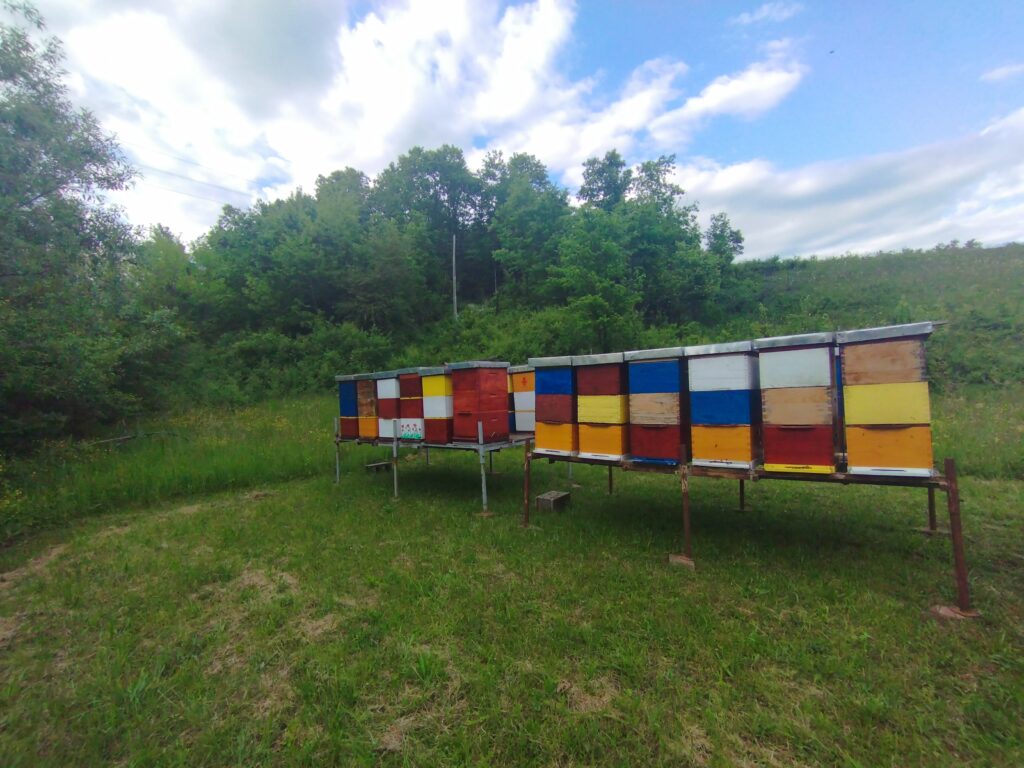
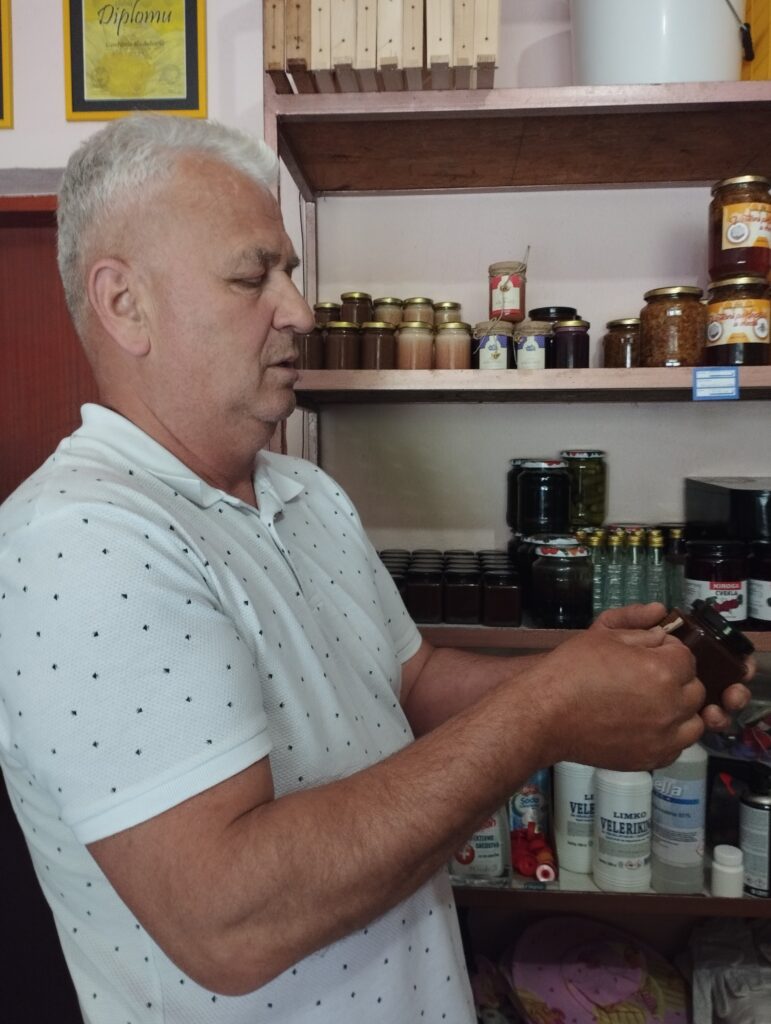
In Mostar, we carried out a multi-day project together with OSI MEN Hercegovine, UDAS, ITF, and SČA KIS, with the support of the donor, the Republic of Korea. The project was dedicated to empowering persons with disabilities – particularly beekeepers who are landmine survivors, and to the development of sustainable beekeeping, apitourism, and knowledge transfer in the region.

OSI MEN Hercegovine (the Association of Persons with Disabilities from Herzegovina who are survivors of landmines) is committed to developing apitourism and apipedagogy, improving the beekeeping knowledge of its members, and raising public awareness about honey, bee products, and the importance of bees for both people and the environment.

Day One: Connection, Knowledge, and Public Dialogue

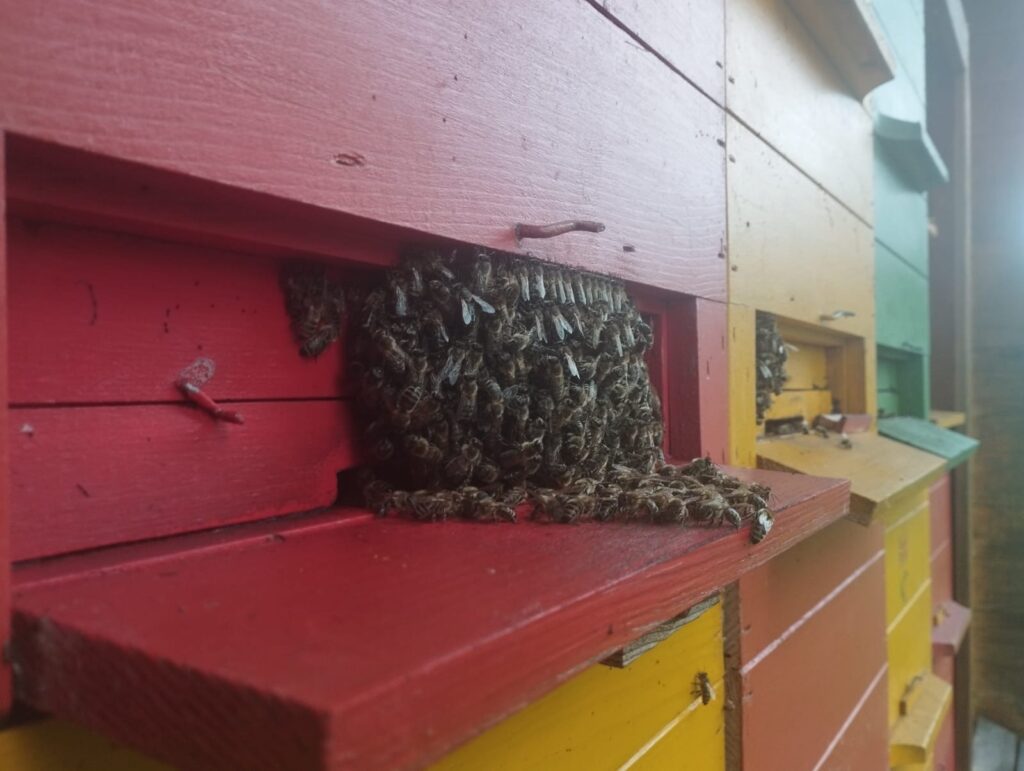
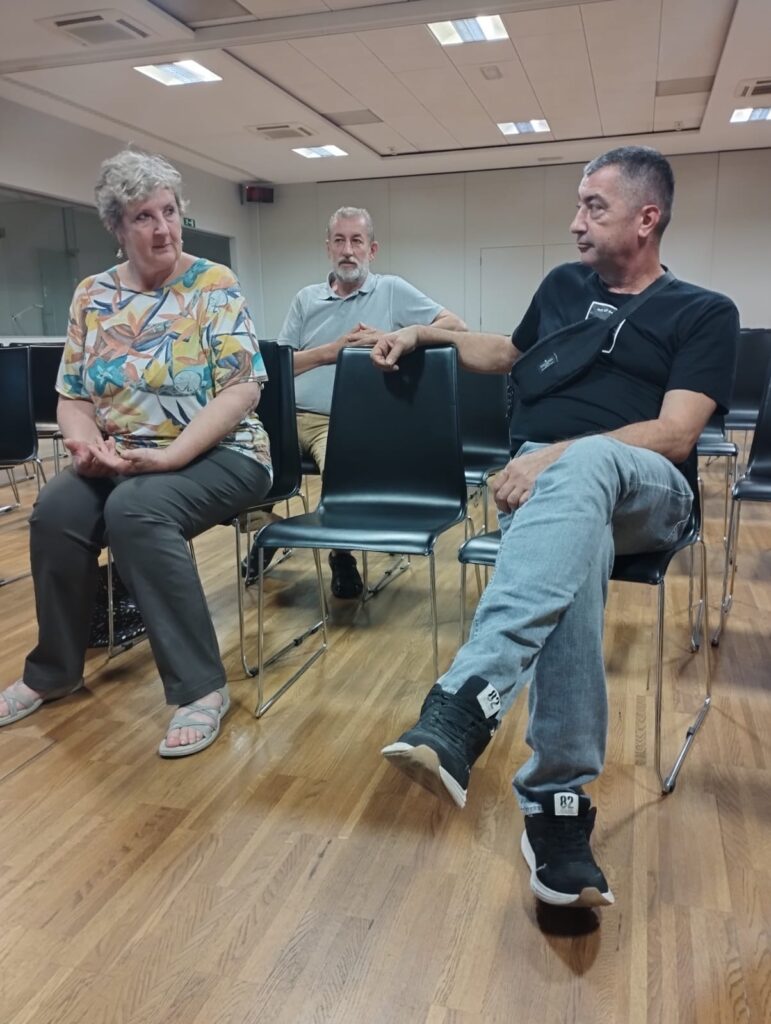
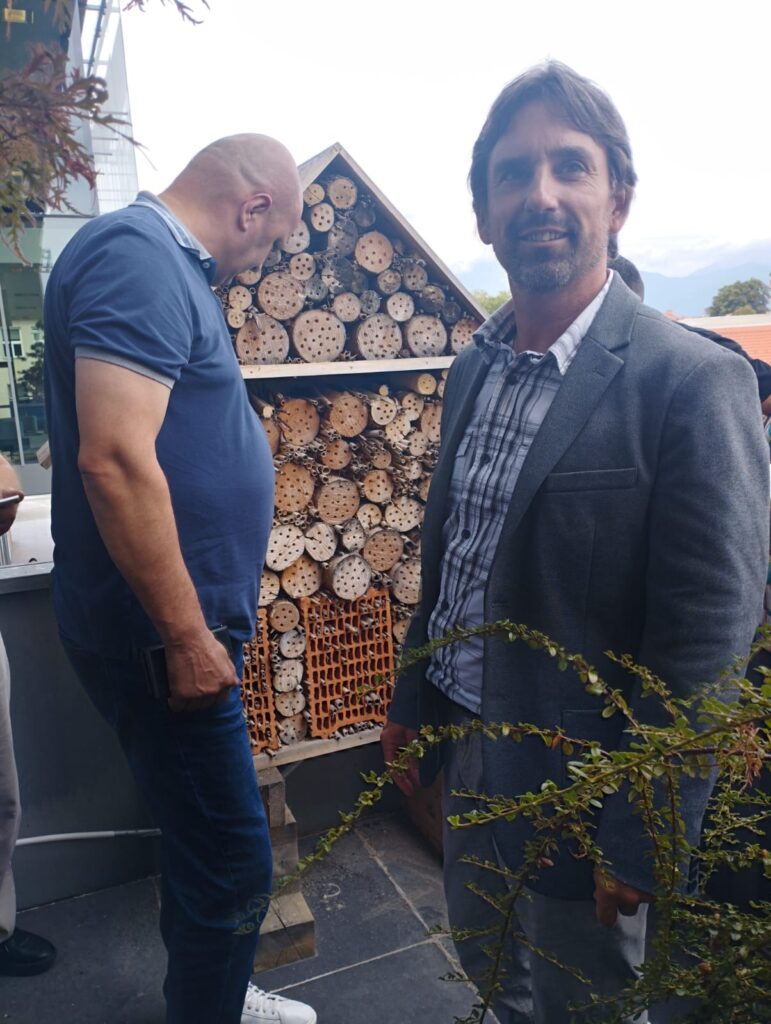
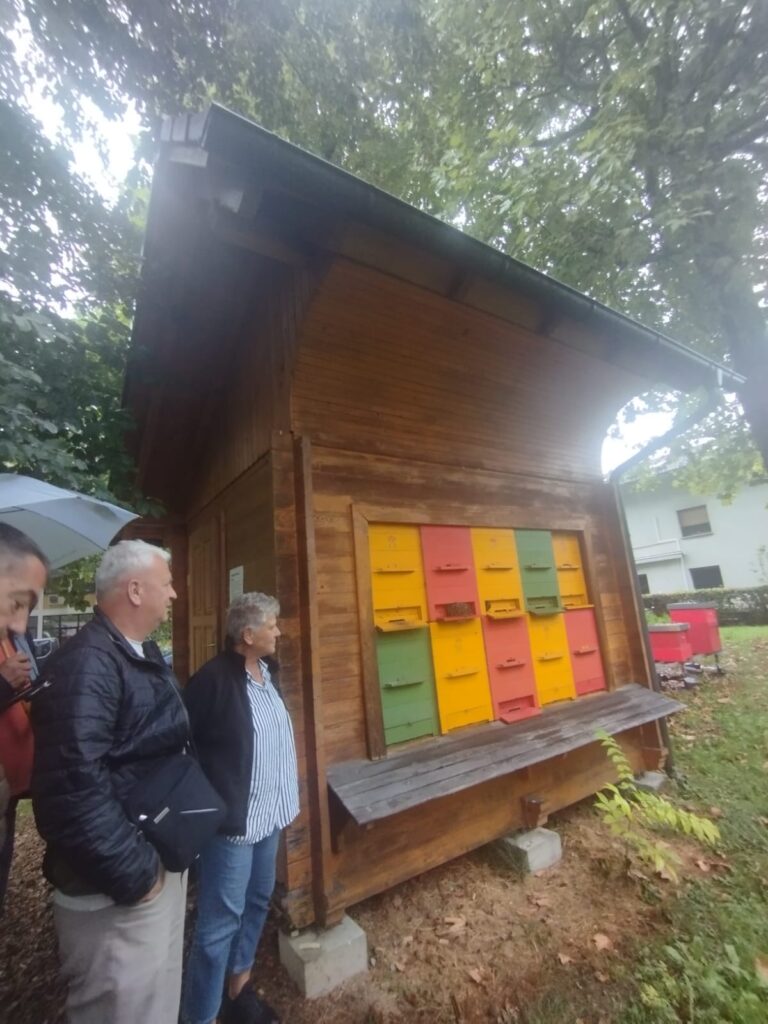
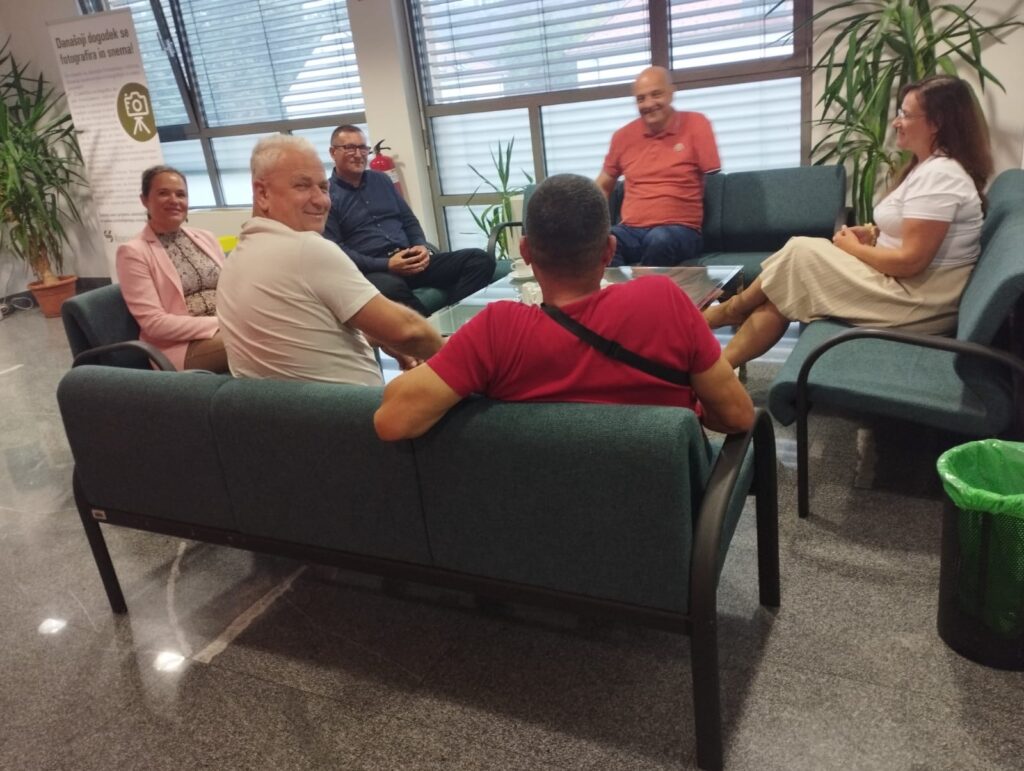
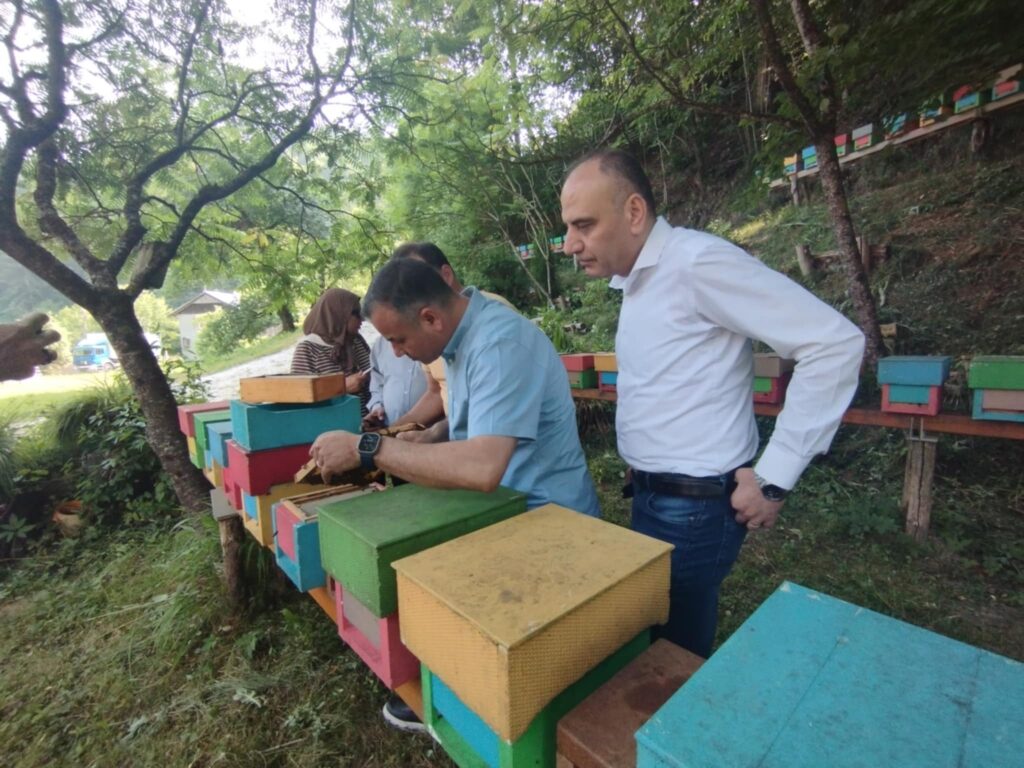
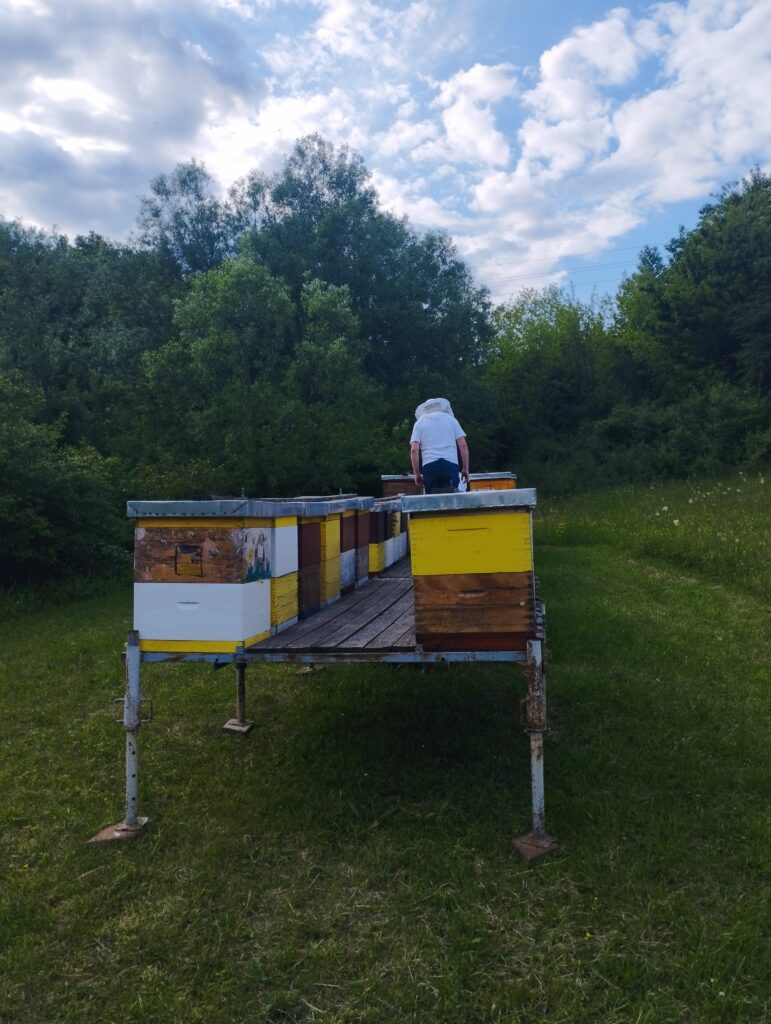
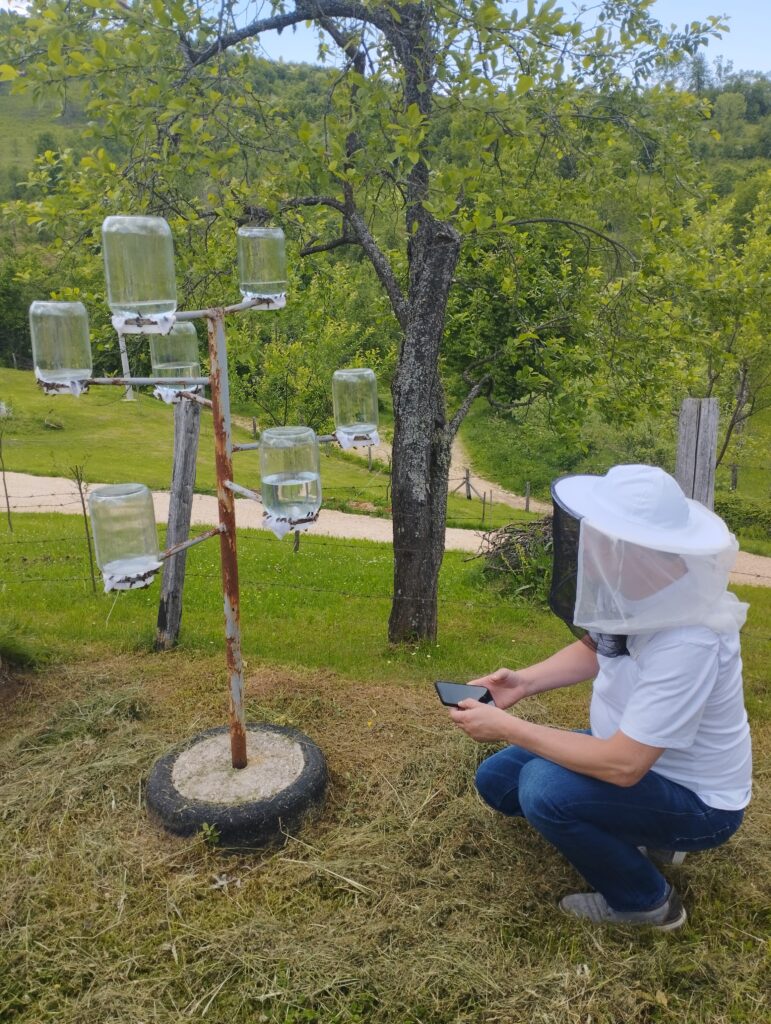
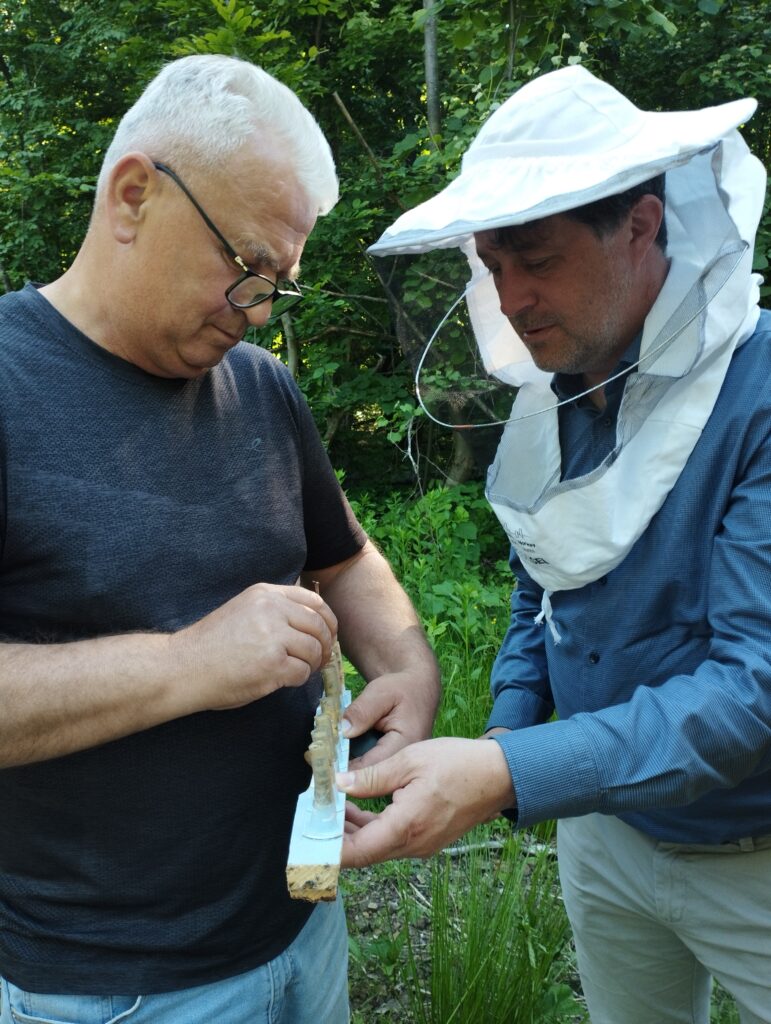
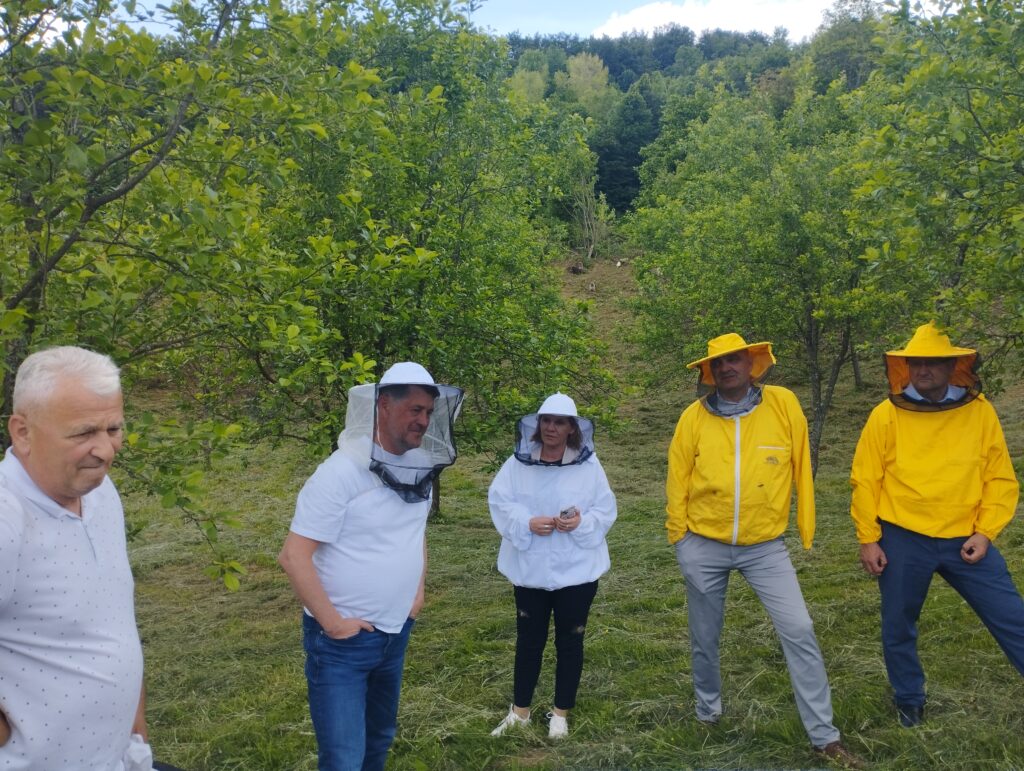
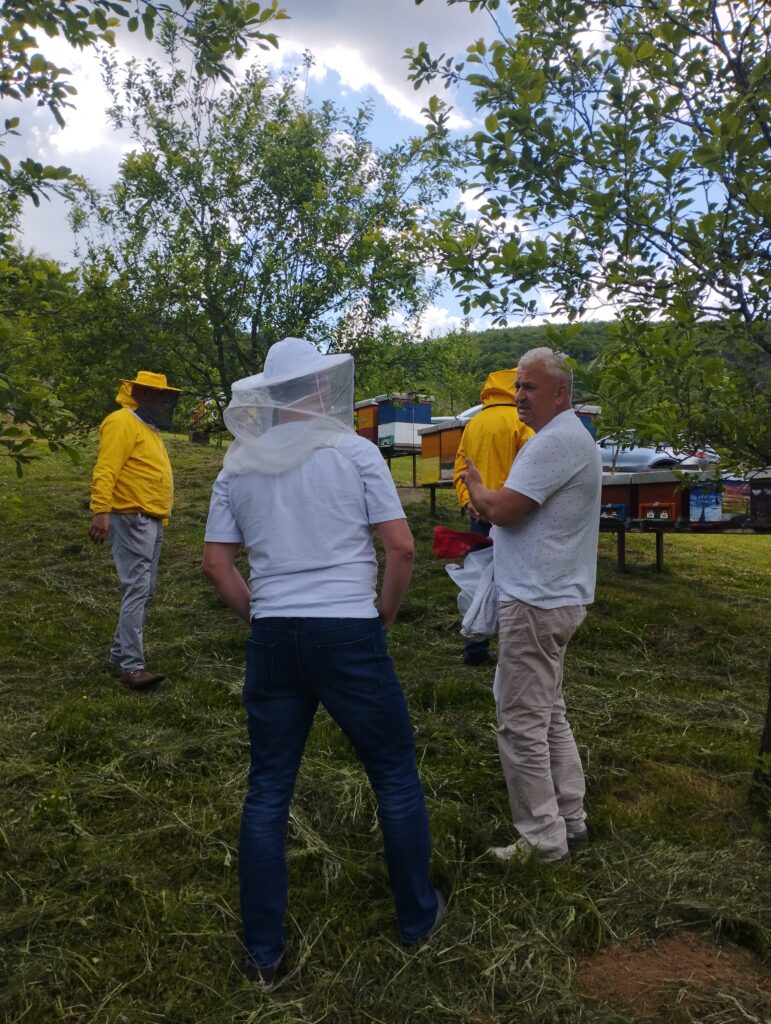
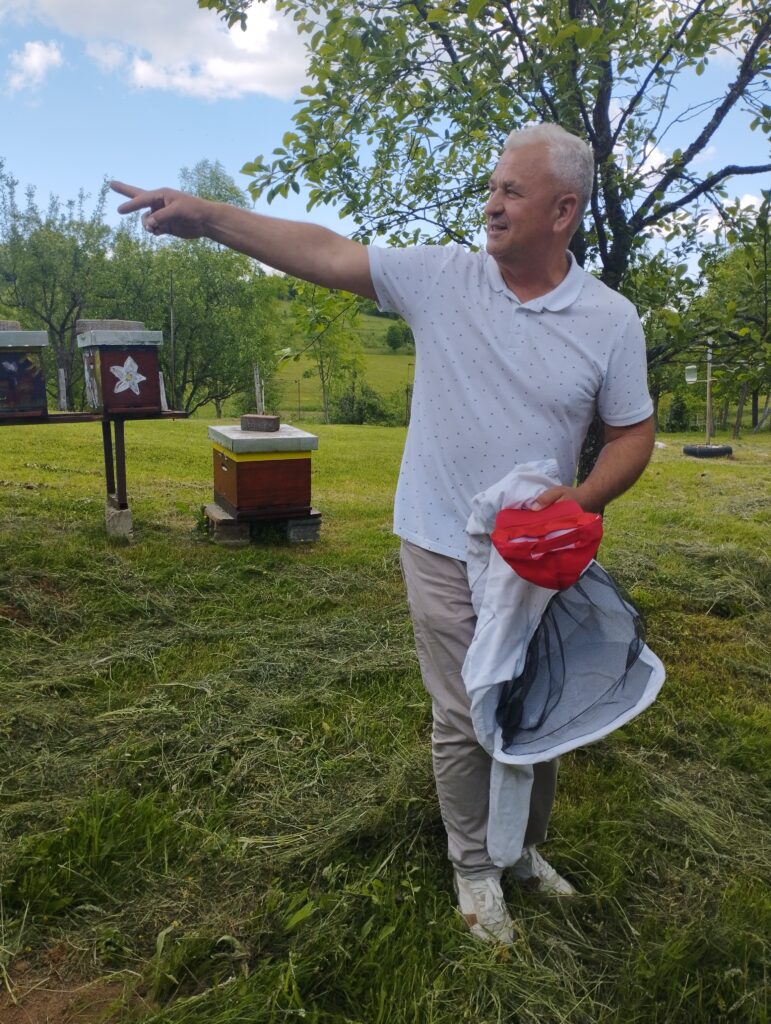
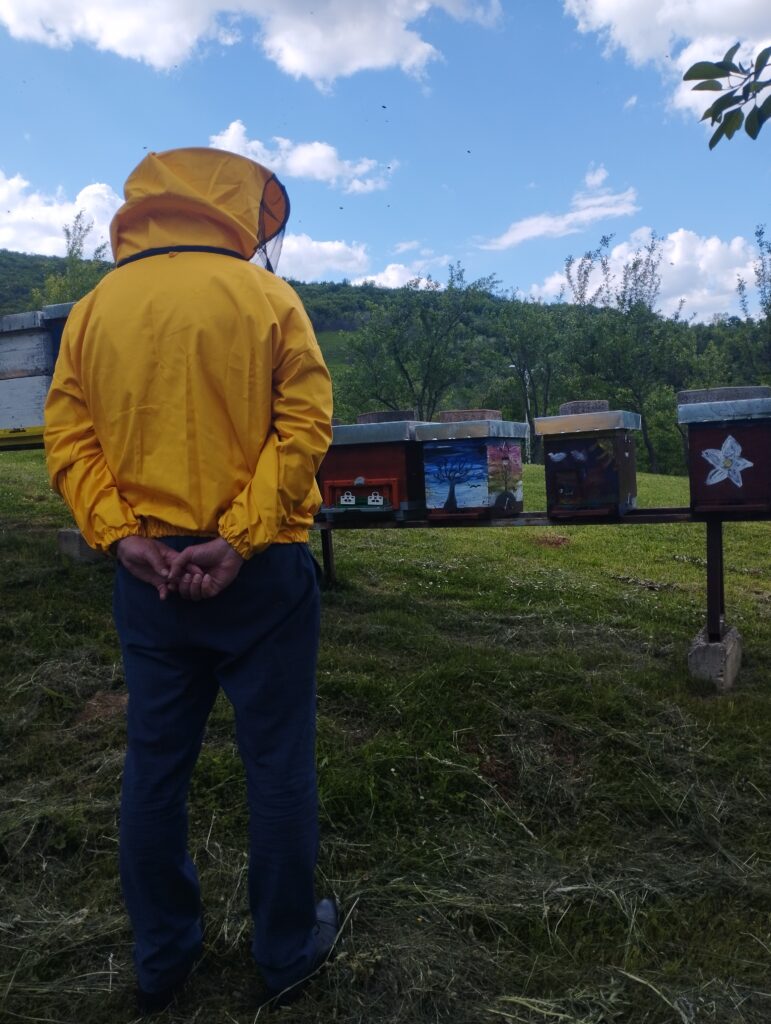
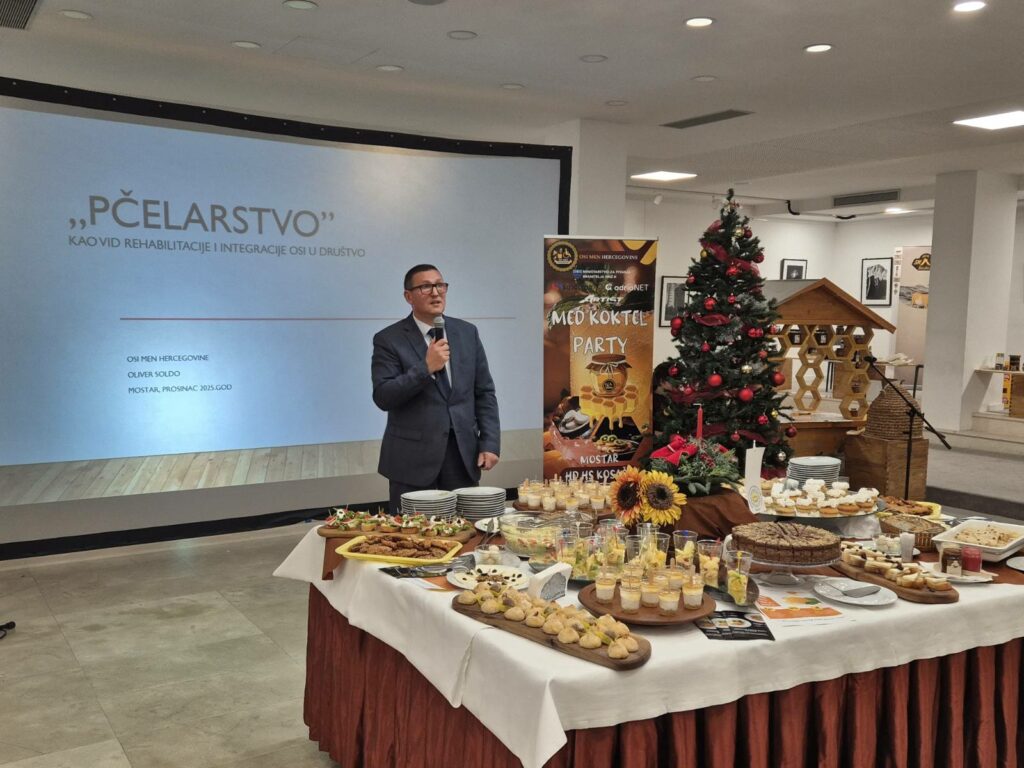
The first day of the project was dedicated to meetings, the exchange of experiences, and public dialogue. In the morning, we began with a working meeting with beekeepers and a visit to an apiary, where participants shared their personal stories, professional challenges, and the opportunities that beekeeping offers as a form of long-term rehabilitation and livelihood.

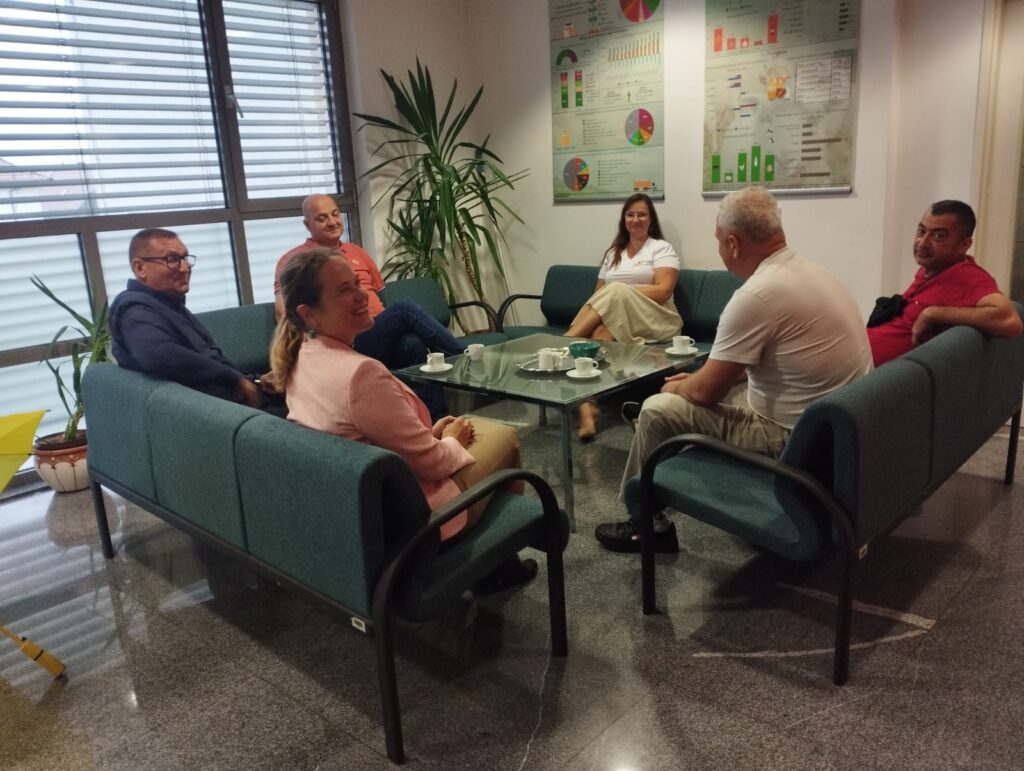
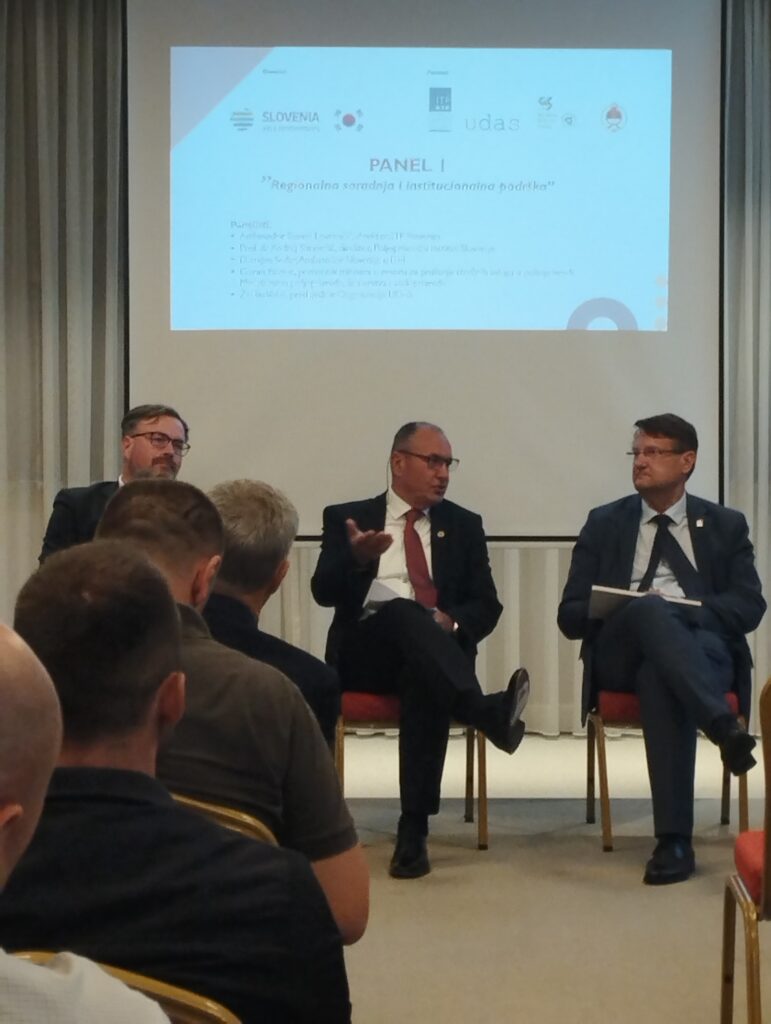
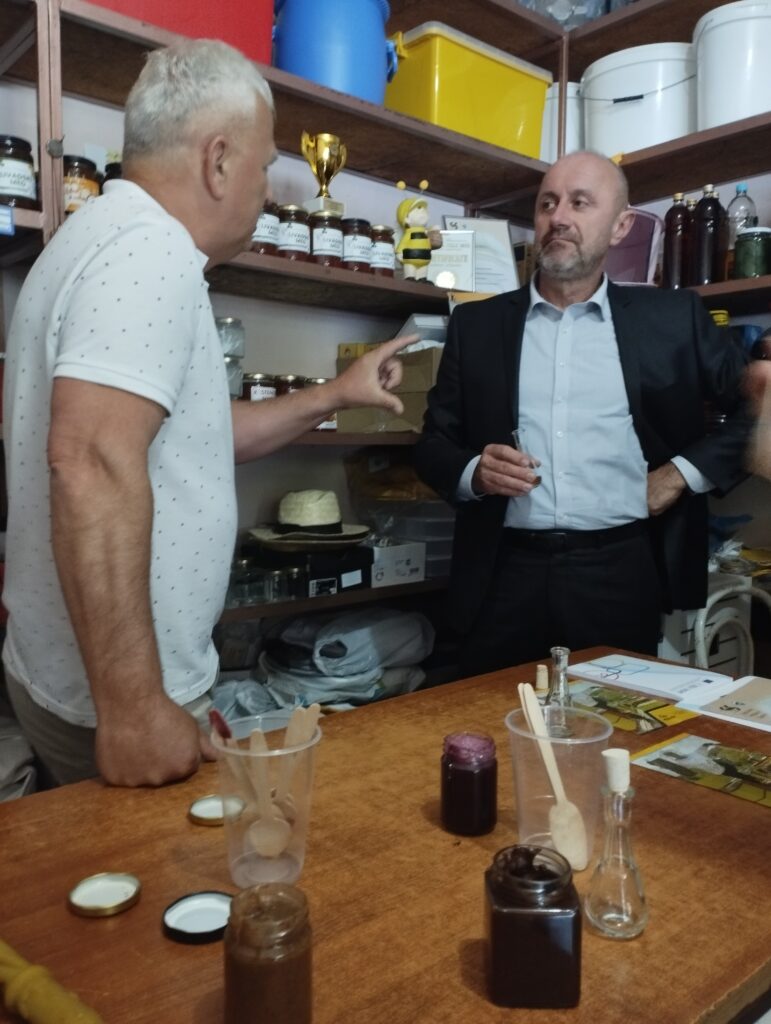
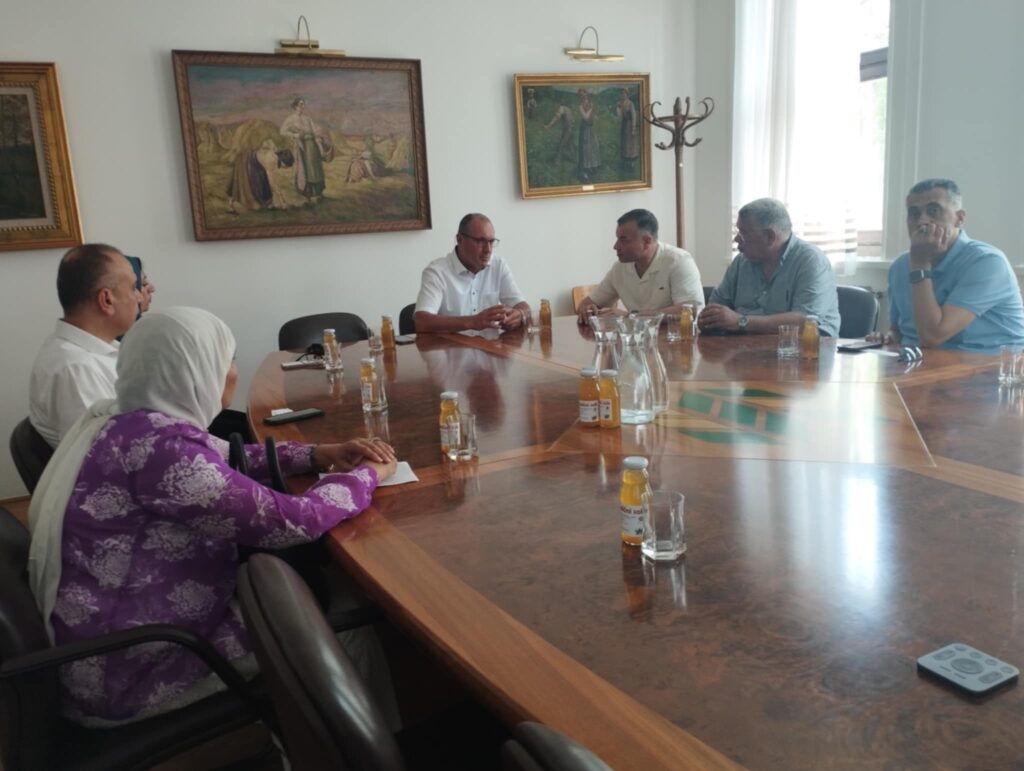
This was followed by a working meeting with government representatives, ministries, the tourism sector, and local authorities. The discussions focused on the potential development of a Honey Trail, the legal and certification framework for apitourism, and examples of good practice from Slovenia.

Honey, Culture, and Inclusion

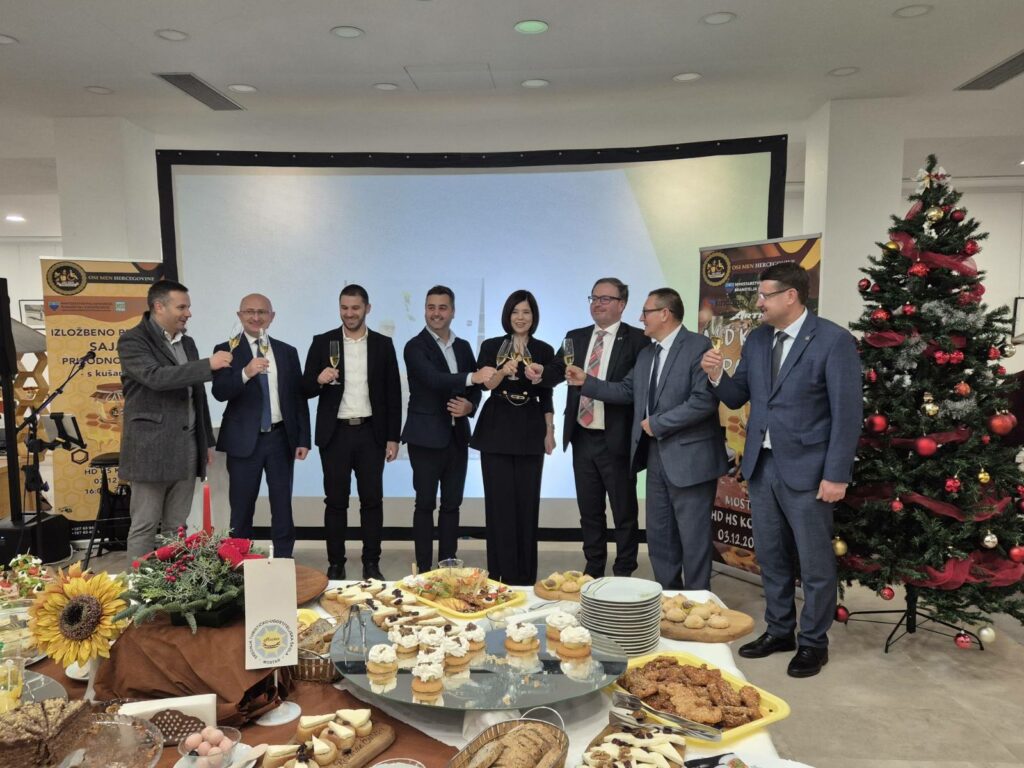
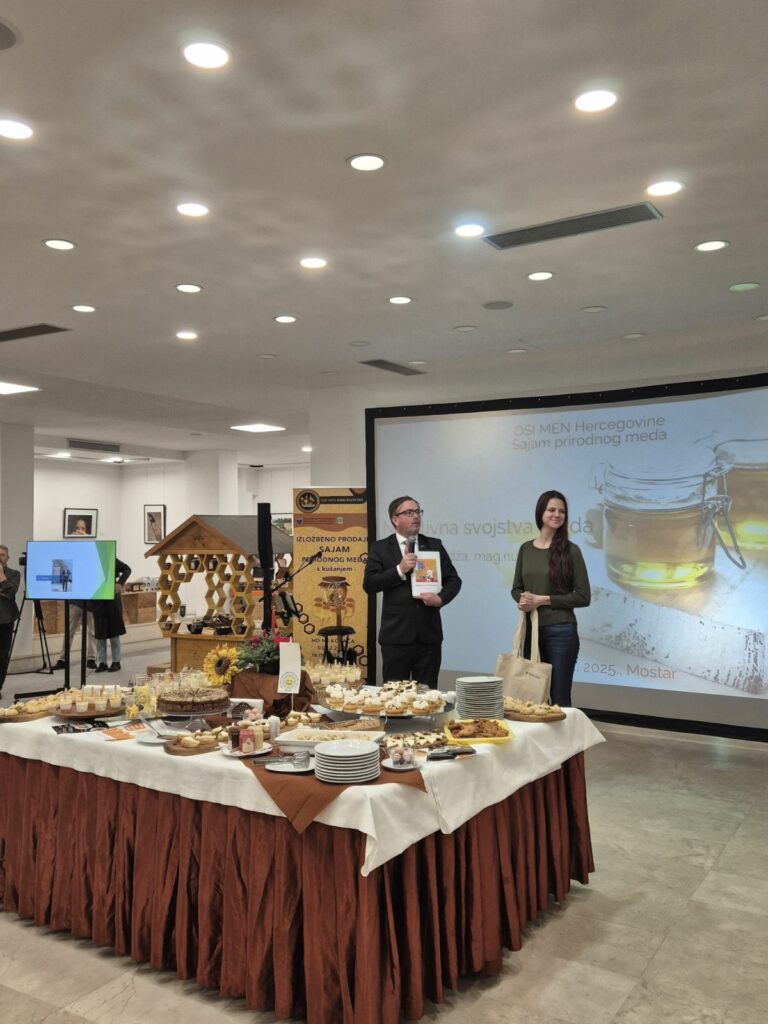
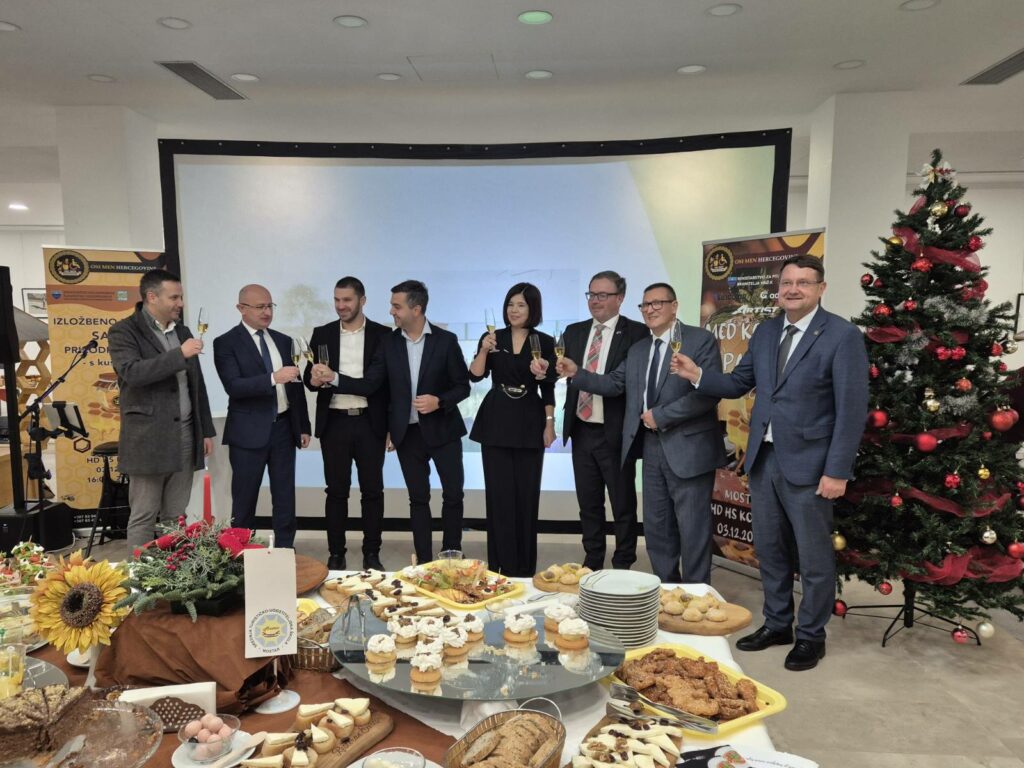
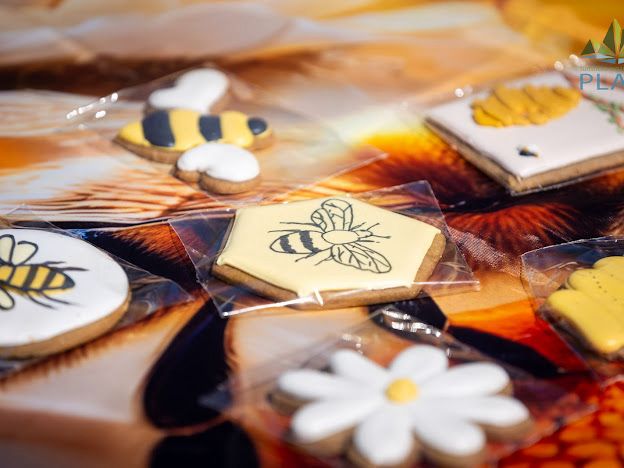
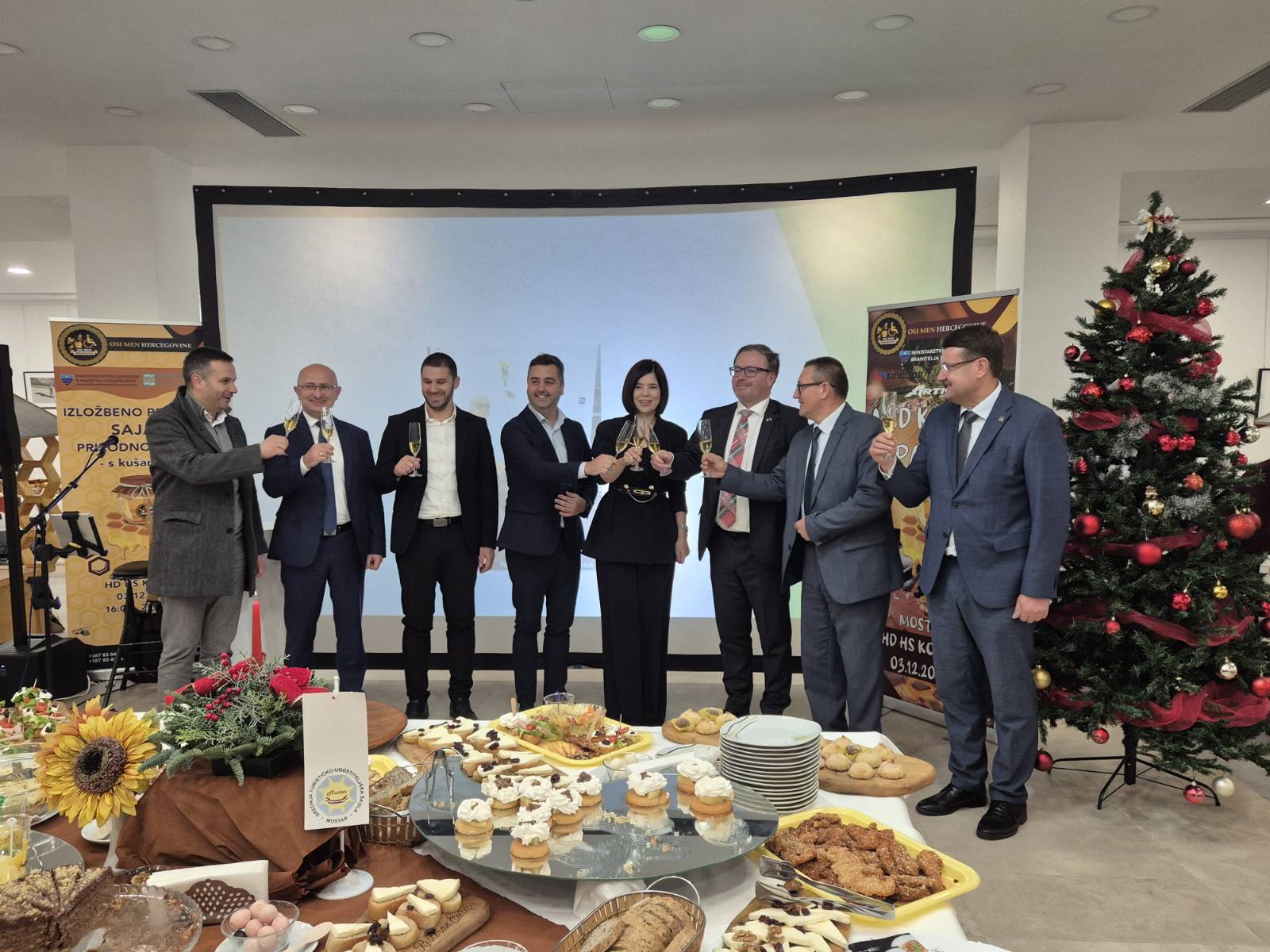
The afternoon was marked by the Honey Cocktail Party, where professional discussions intertwined with culture and social exchange. A moment of strong symbolic value was the address by the Ambassador of the Republic of Slovenia, Damijan Serdar, who on this occasion presented a Slovenian national picture book in Braille- an important contribution to inclusion and accessibility.

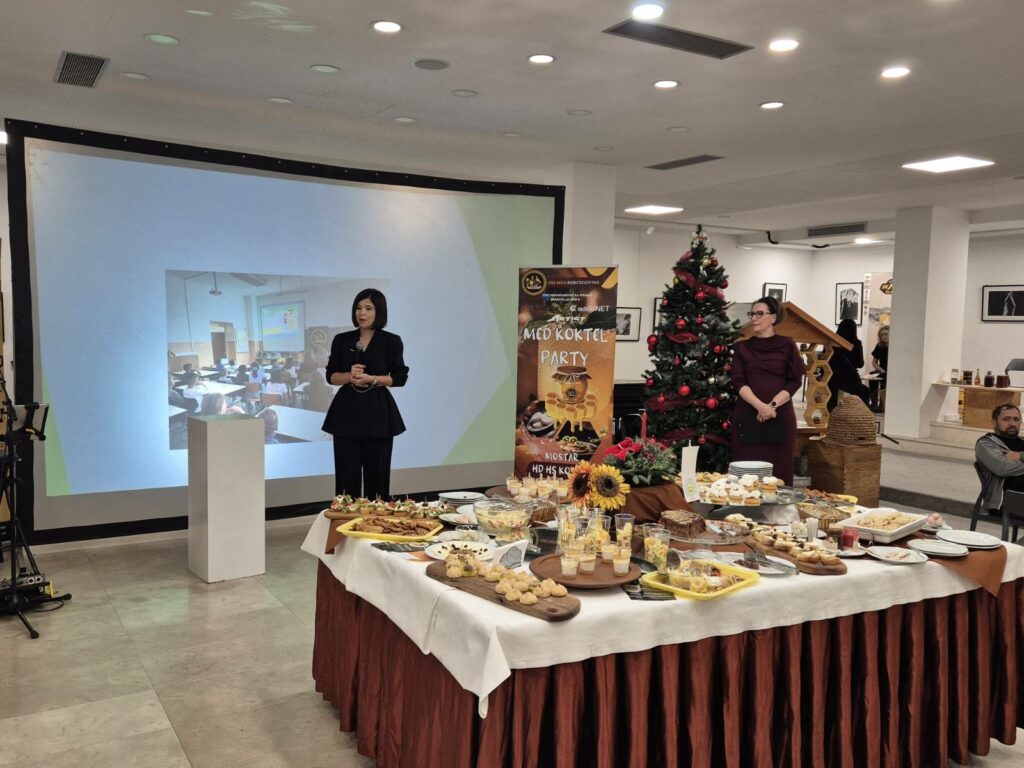
Participants also attended a lecture on the nutritional properties of honey, delivered by nutritionist Nevena Pandža, while the entire day was accompanied by savoury and sweet honey-based snacks and beverages. The event was further enriched by a musical performance.

Natural Honey Fair and Knowledge Transfer

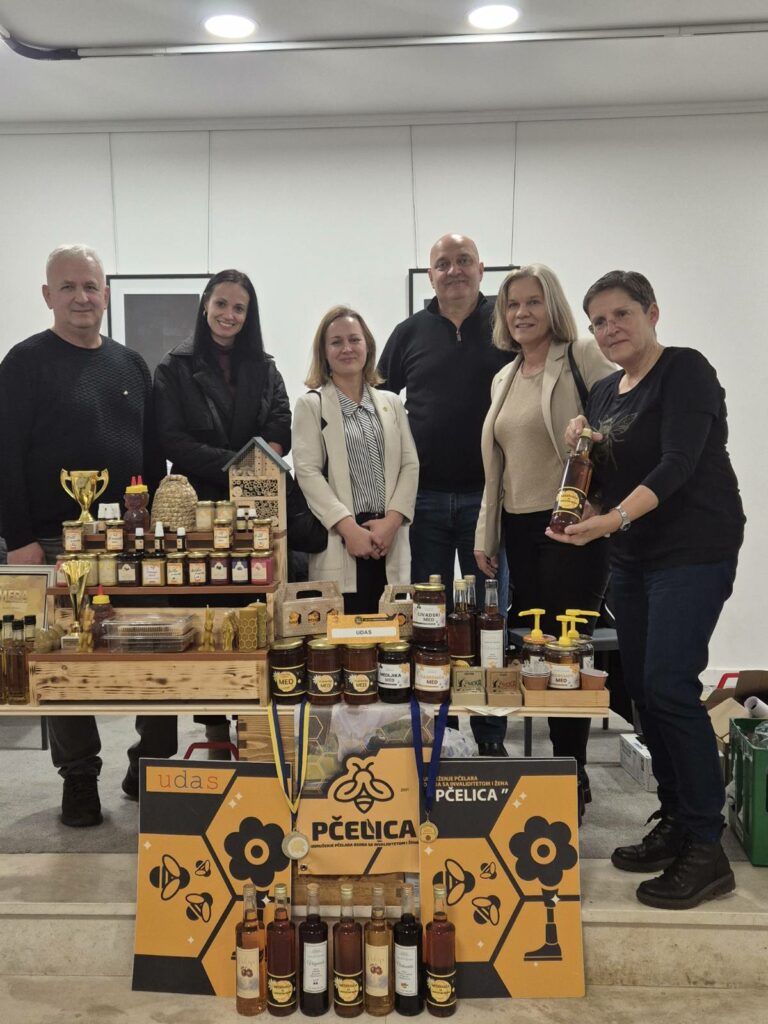
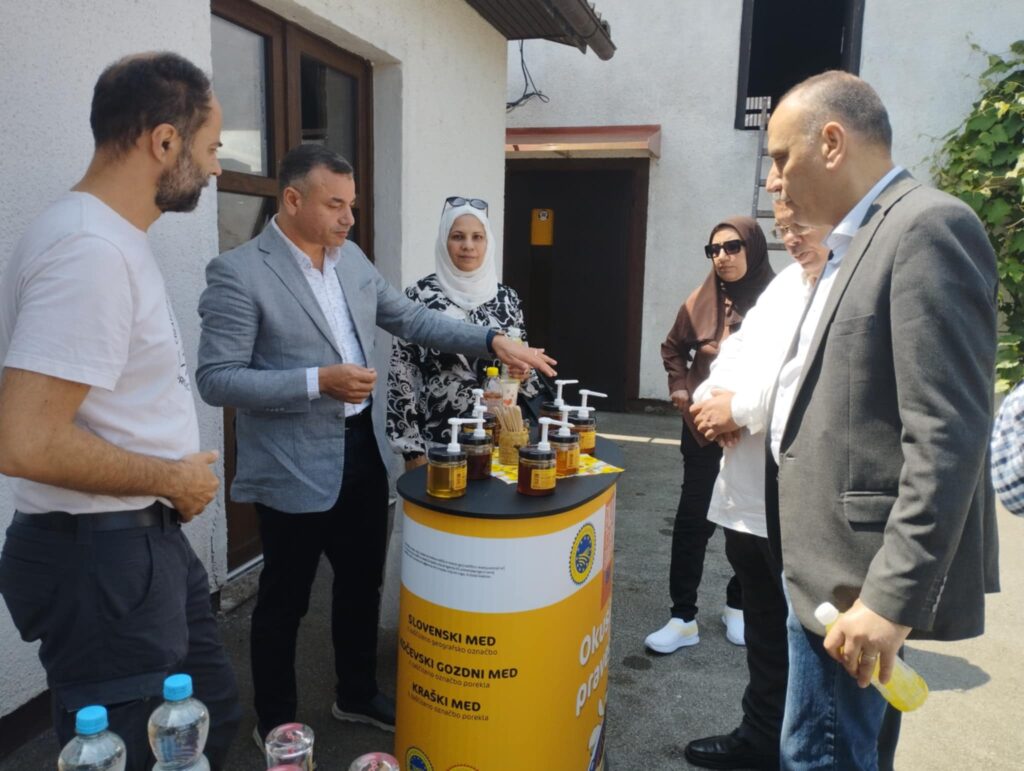
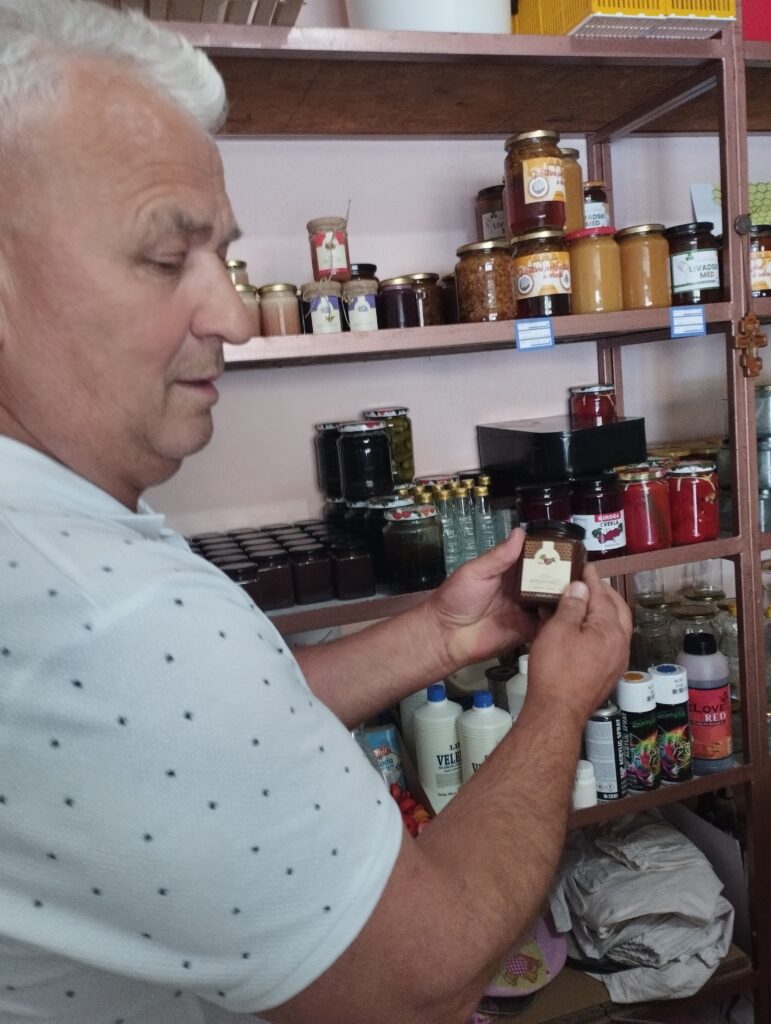
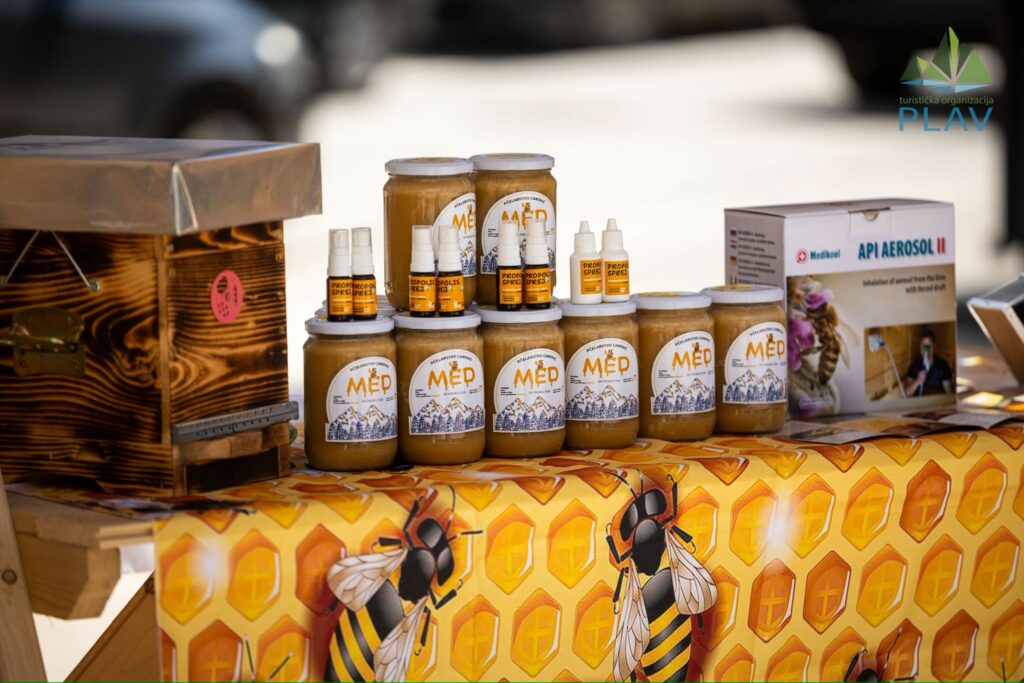
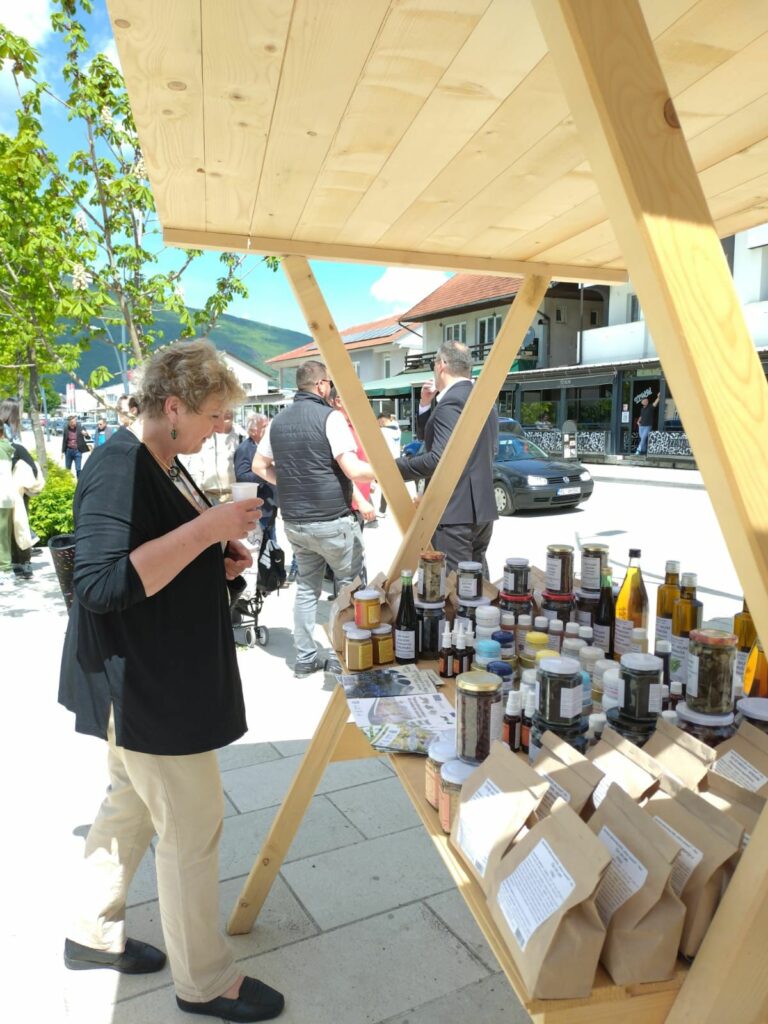
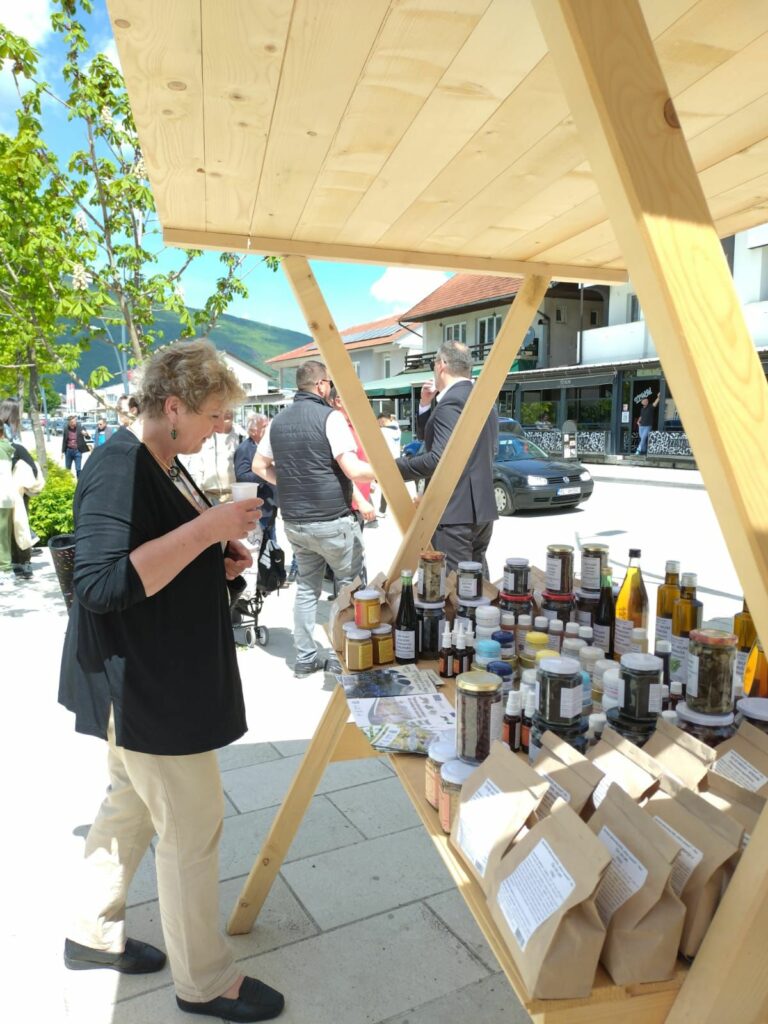
The first day concluded with the opening of the Natural Honey Fair with tasting, officially opened by Marija Buhač, Prime Minister of the Herzegovina-Neretva Canton. The fair provided a platform for local beekeepers to present their work, engage directly with visitors, exchange knowledge, and promote high-quality honey products.

As part of the project, we also presented the goals of the upcoming Training of Trainers (ToT) programme, aimed at transferring knowledge, practical skills, and pedagogical approaches to local trainers and beekeepers. Through this, we seek to ensure the long-term impact of the project, strengthen local capacities, and create sustainable opportunities for work and cooperation.

Days Two and Three: Education, Apitourism, and Capacity Building

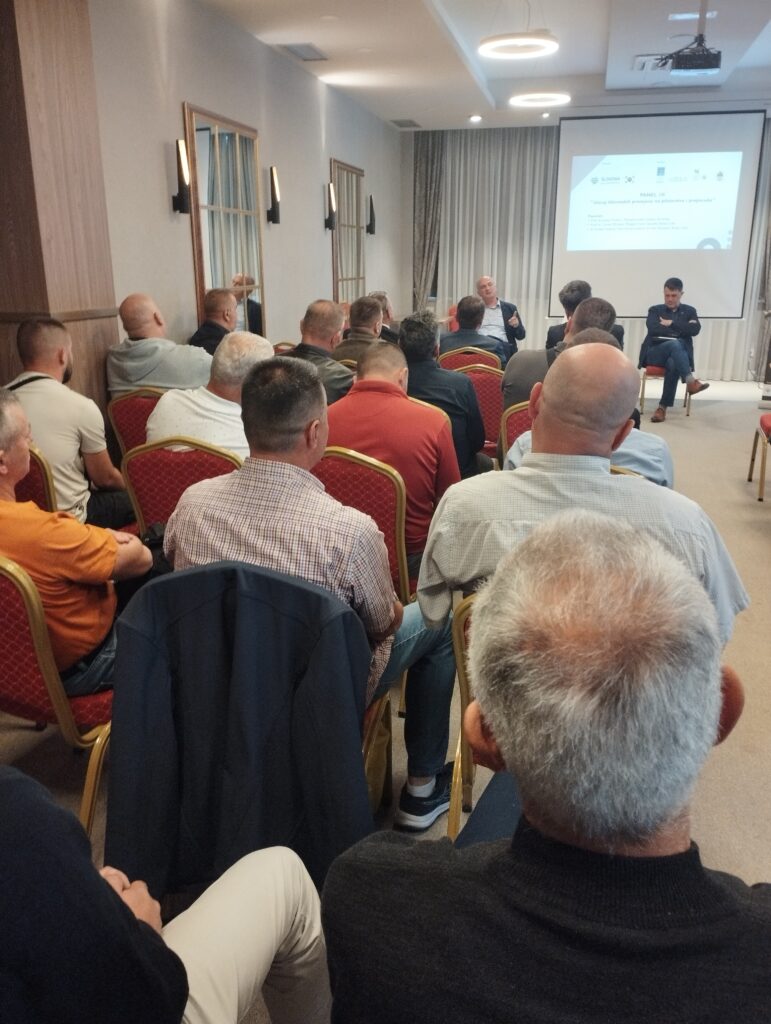
The second and third days of the project in Mostar were dedicated to the professional seminar “Educational Beekeeping of Mine Victims and Apitourism.” The seminar took place at the Buna Hotel and brought together beekeepers, experts, and representatives of organisations working in the fields of social inclusion and sustainable development.

Opening of the Seminar and a Shared Vision

The seminar began with an official opening and welcome addresses, during which speakers emphasised the importance of education, cooperation, and long-term support for landmine survivors. The goals of the Beekeeping for Persons with Disabilities project were presented, with a particular focus on knowledge transfer, strengthening local capacities, and developing apitourism as a complementary activity.

Honey Trail, Certification, and Apitourism

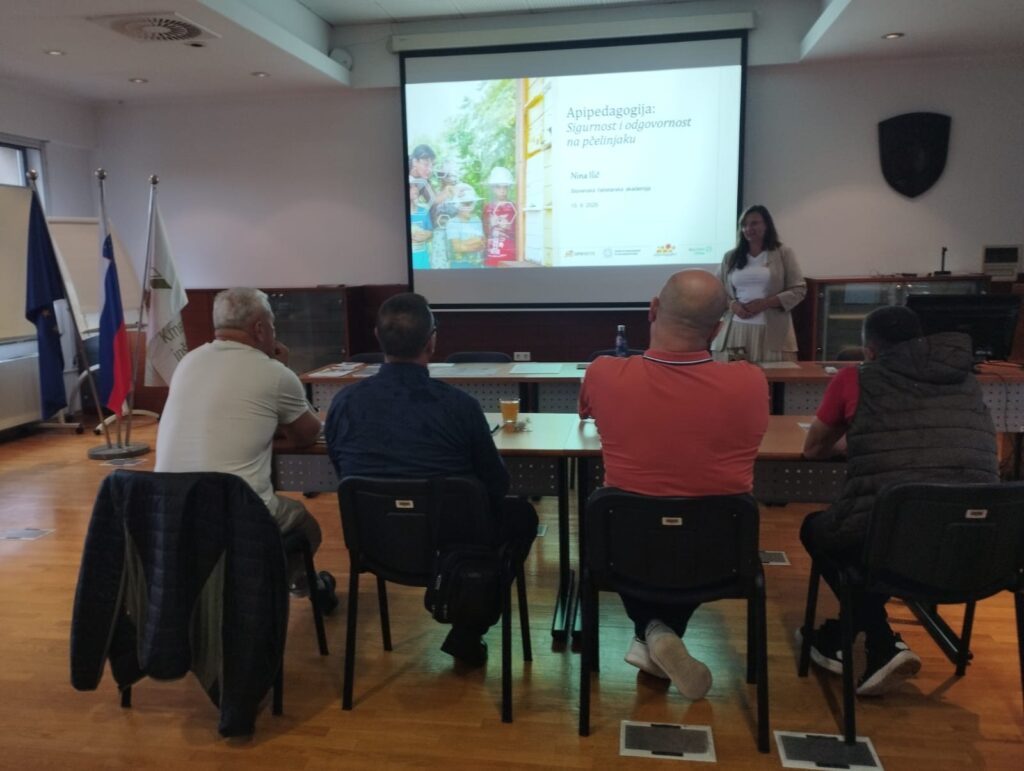
A central part of the first seminar day was the lecture by Dominika Koritnik, who presented in detail the establishment of the Honey Trail, required certifications, and the “Top-Quality Bees” system. Participants gained insight into concrete legal and organisational conditions for developing apitourism, based on Slovenian experience.

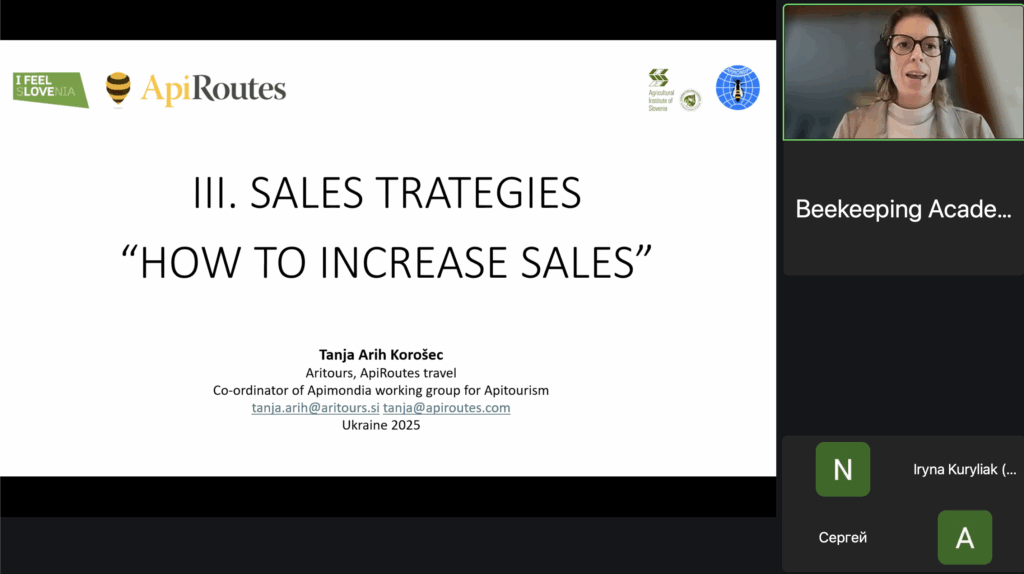
This was followed by an online lecture by Tanja Arih Korošec on apitourism, its development and expansion, and opportunities for linking it with other tourism services. Special emphasis was placed on partnerships and the involvement of local communities in tourism products.

Nutritional Value of Honey and Practical Content

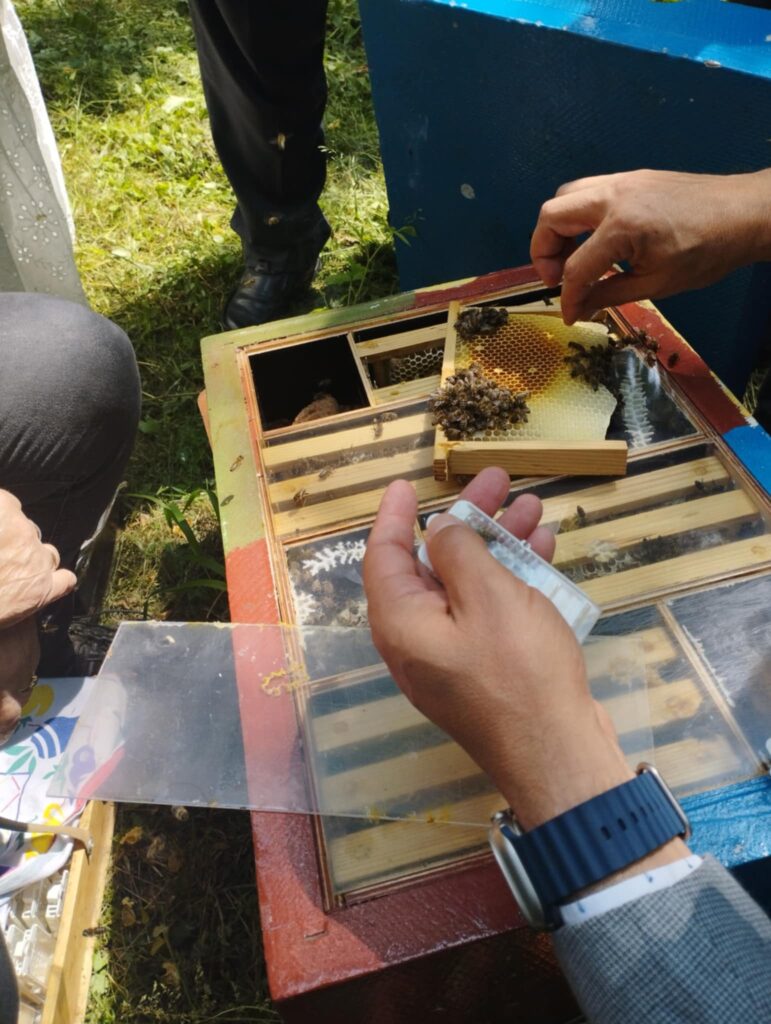
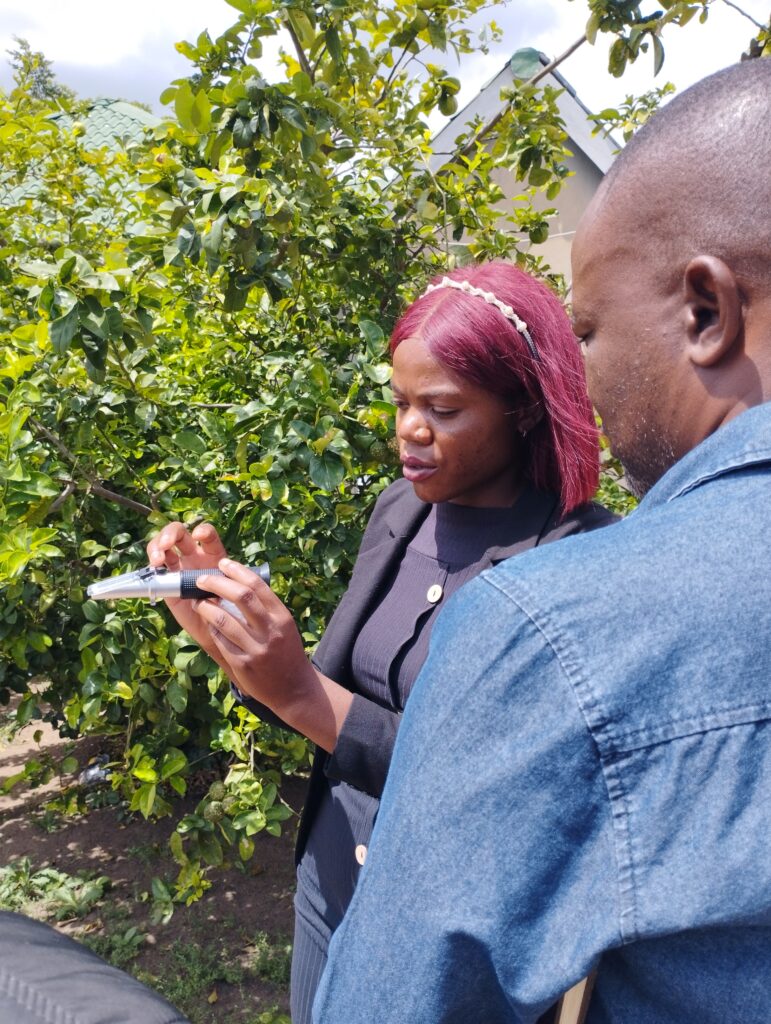
The second seminar day had a stronger practical focus. Participants attended a lecture on the nutritional value of honey and its use in everyday life, followed by a presentation of creamed honey and a demonstration of royal jelly harvesting techniques. The sessions were designed to provide beekeepers with practical knowledge that can be directly applied in their work.

Conclusion and Looking Ahead

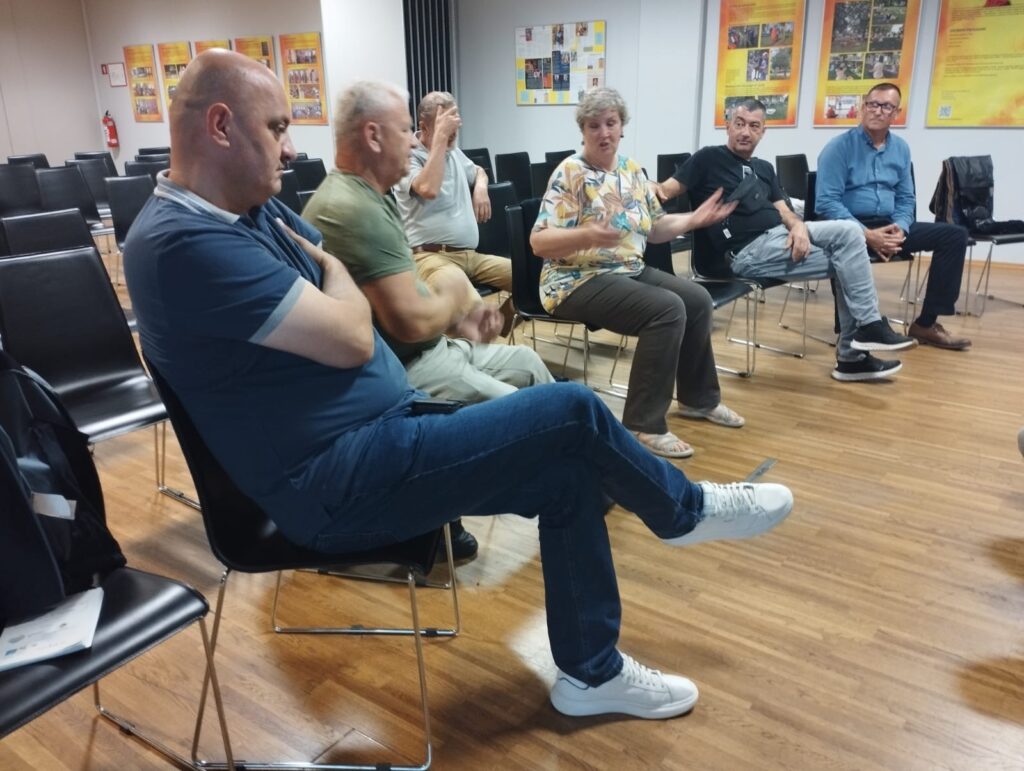
The seminar concluded with a presentation of the apitourism development project in Herzegovina and a discussion on future steps. The importance of the Training of Trainers (ToT) approach was highlighted, as it ensures that acquired knowledge remains within the local environment and continues to be passed on among beekeepers, trainers, and communities.

The project in Mostar once again demonstrated that beekeeping is not merely an economic activity, but a powerful tool for social inclusion, recovery, and community building.
Beekeeping as an empowerment tool people with disabilities from Ukraine

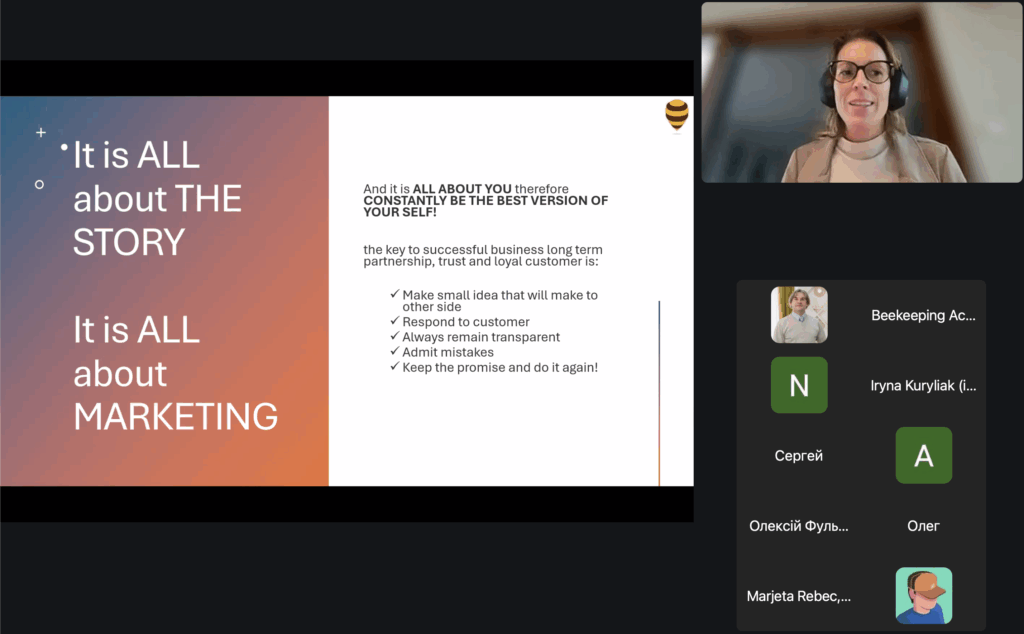
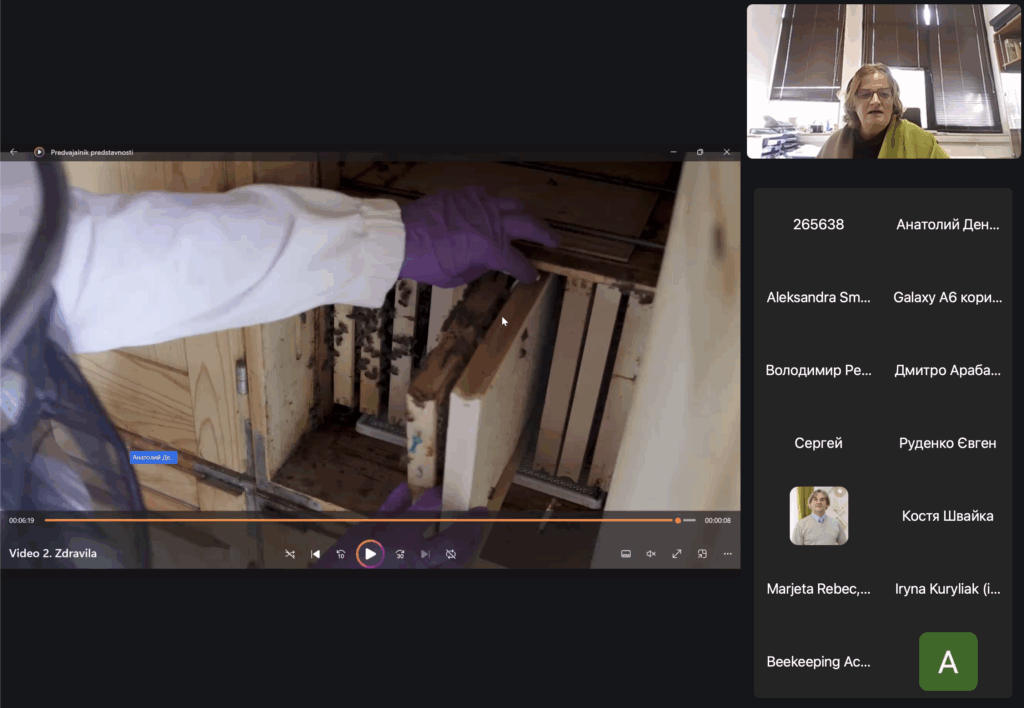
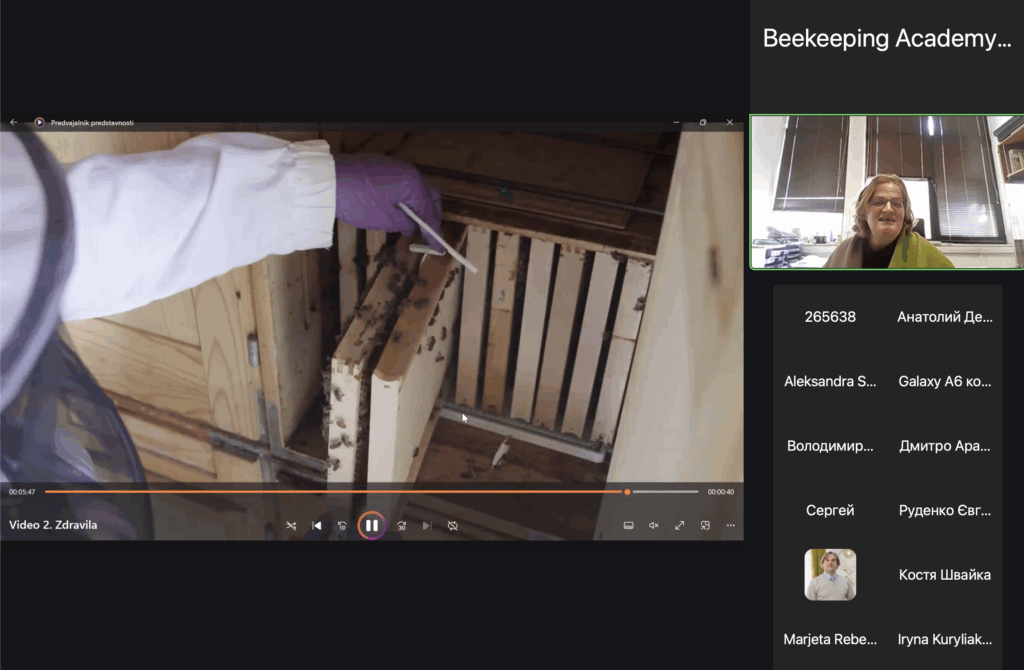
As part of the project “Beekeeping as an empowerment tool for people with disabilities from Ukraine,” the November online training programme brought together top Slovenian experts and motivated participants from Ukraine.
The aim of the programme is to provide people with disabilities – practical skills, confidence, and new opportunities for sustainable income.

This year’s programme focused on three essential pillars: bee health and honey quality, strategic marketing management of honey, and project management.

1. Securing Bee Health & Honey Quality (18 November)

The first training day explored the foundations and advanced practices of keeping bee colonies healthy and producing high-quality honey.

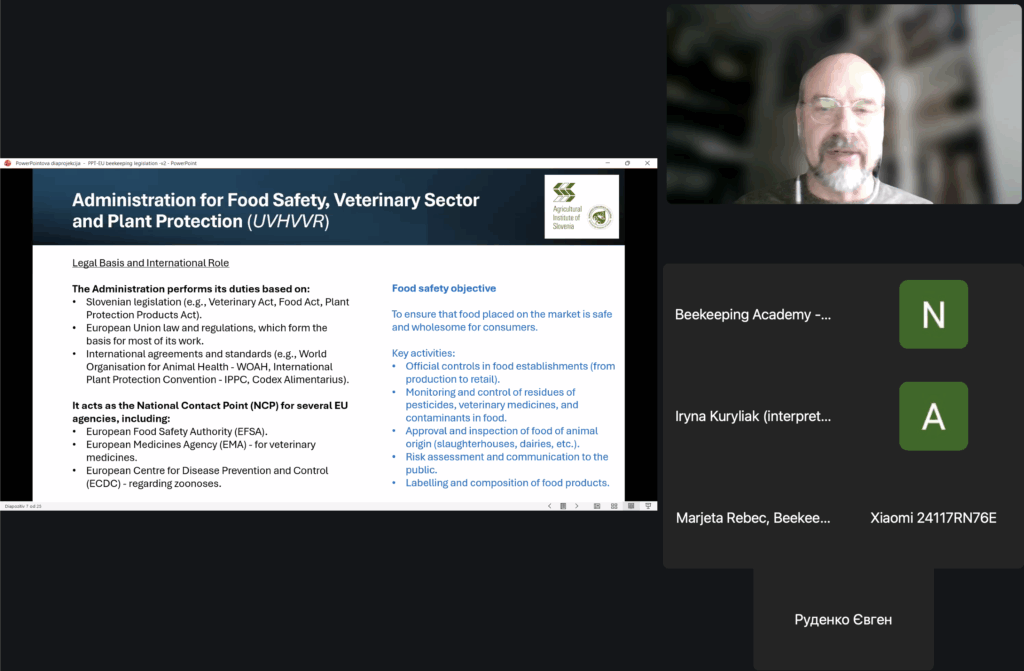
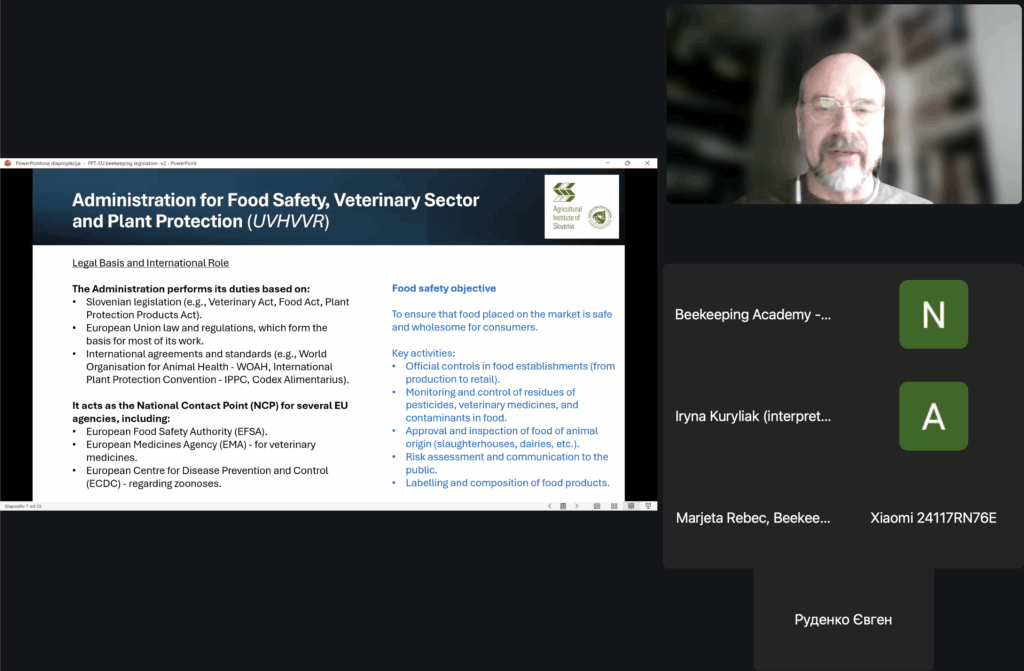
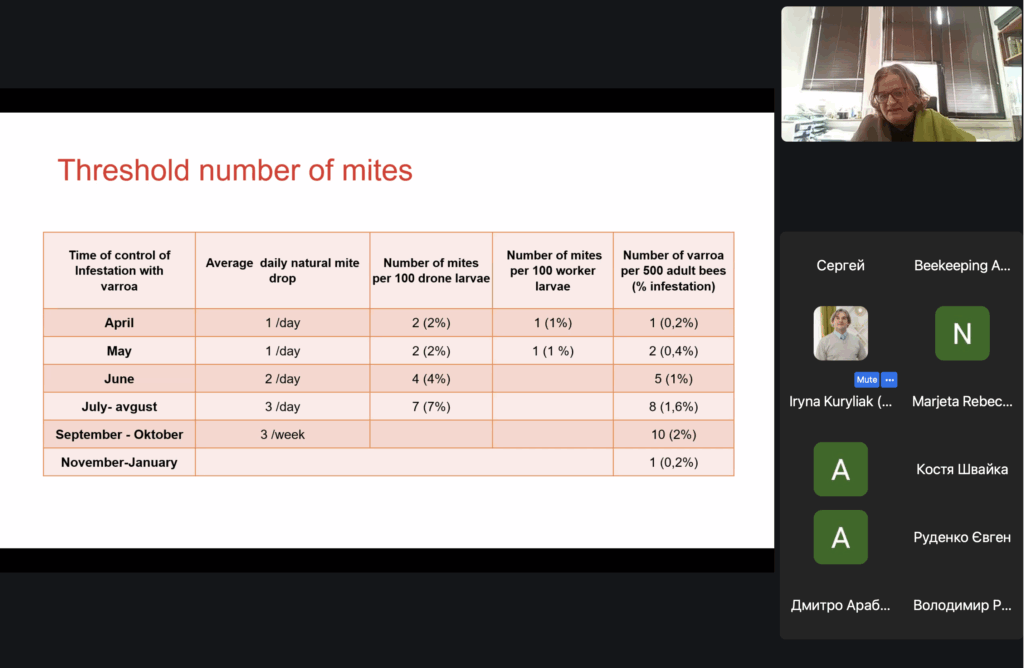
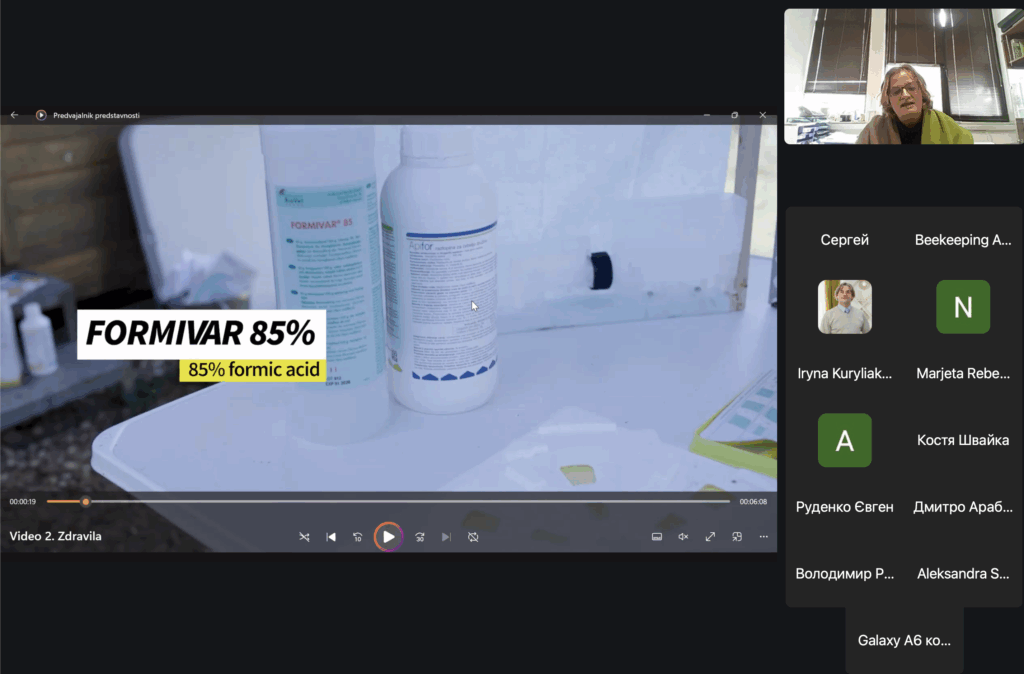
The sessions were led by Dr. Lucija Žvokelj from the National Veterinary Institute (Faculty of veterinary medicine Ljubljana), who covered:

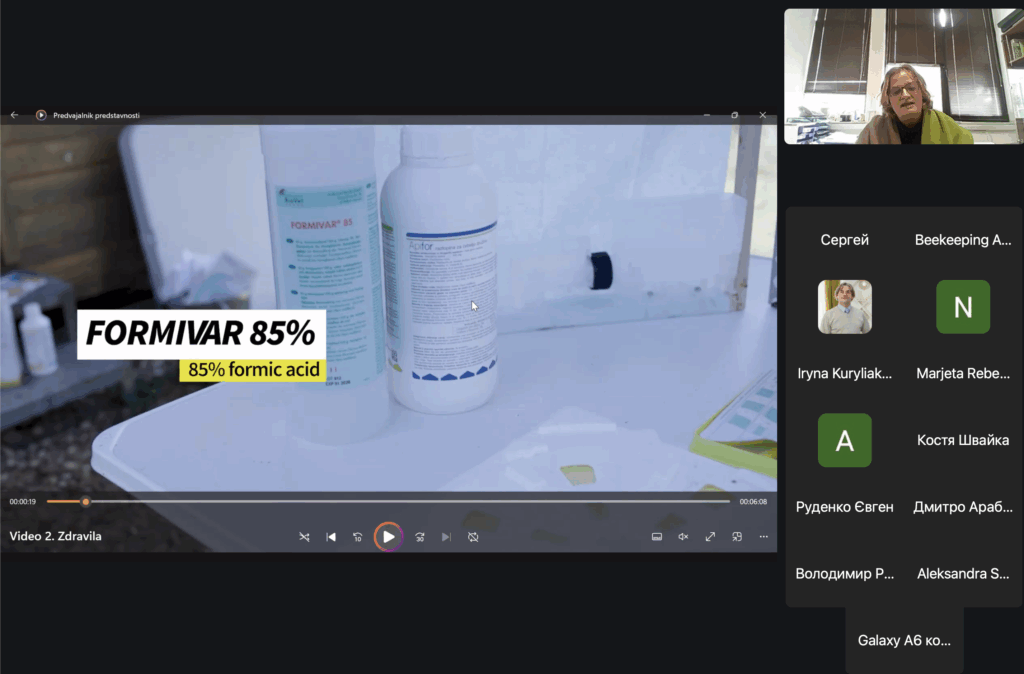
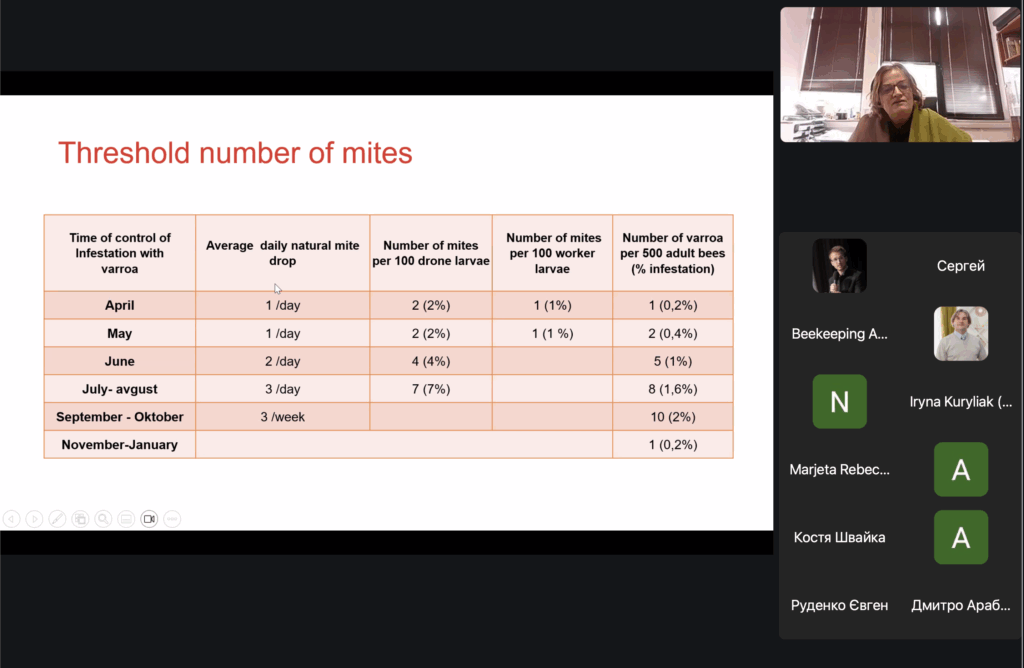
  • 🧪 treatment of bee colonies & varroa mite control,

  • 💊 EU regulations on the use of medicines for bees,

while Gorazd Trušnovec, President of the Urban Beekeepers’ Association of Slovenia, presented:

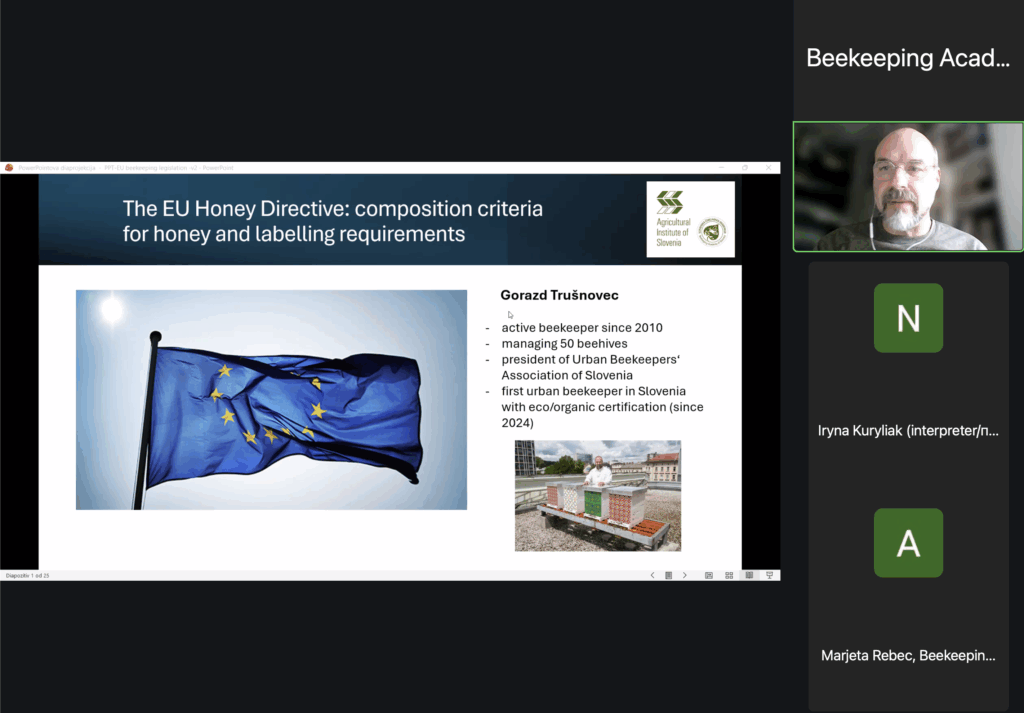
  • 🍯 the EU Honey Directive: composition criteria for honey and labelling requirements.

This module provided participants with essential knowledge to ensure safe production, healthy colonies, and compliance with European quality standards.

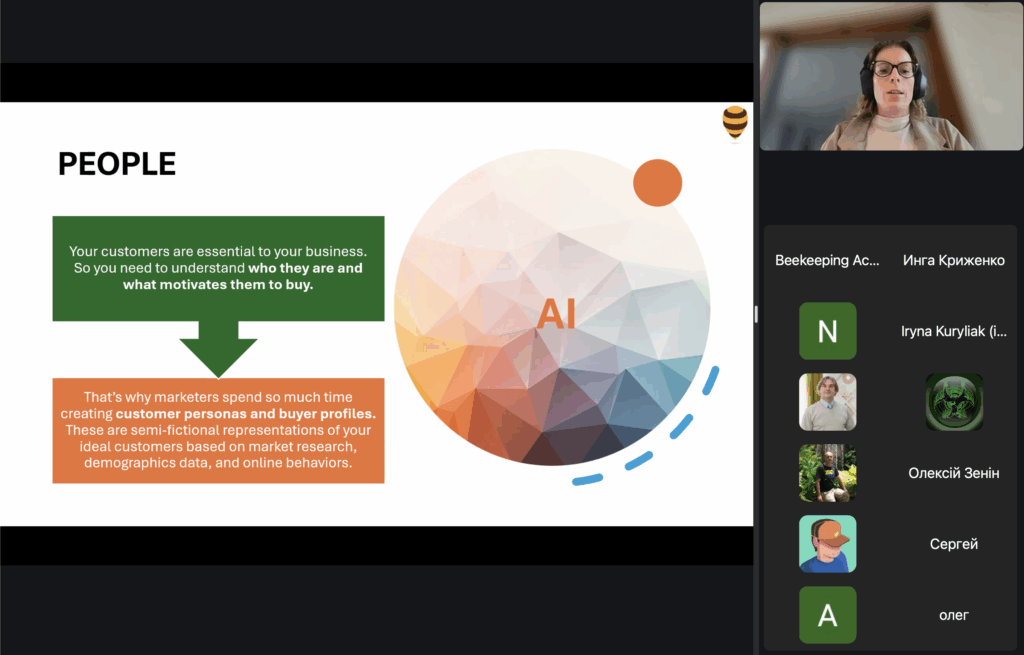
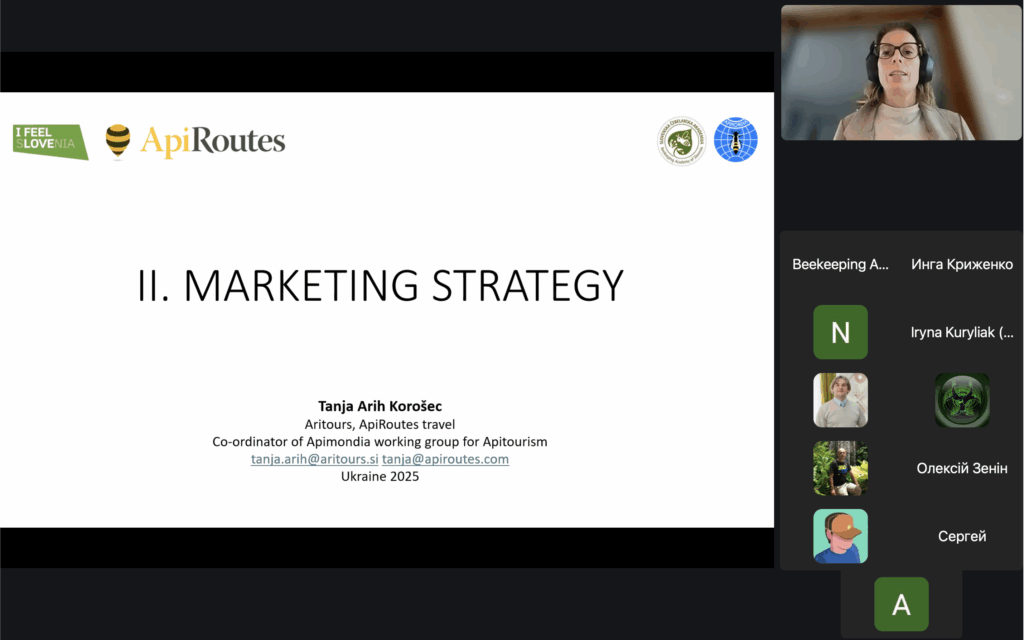
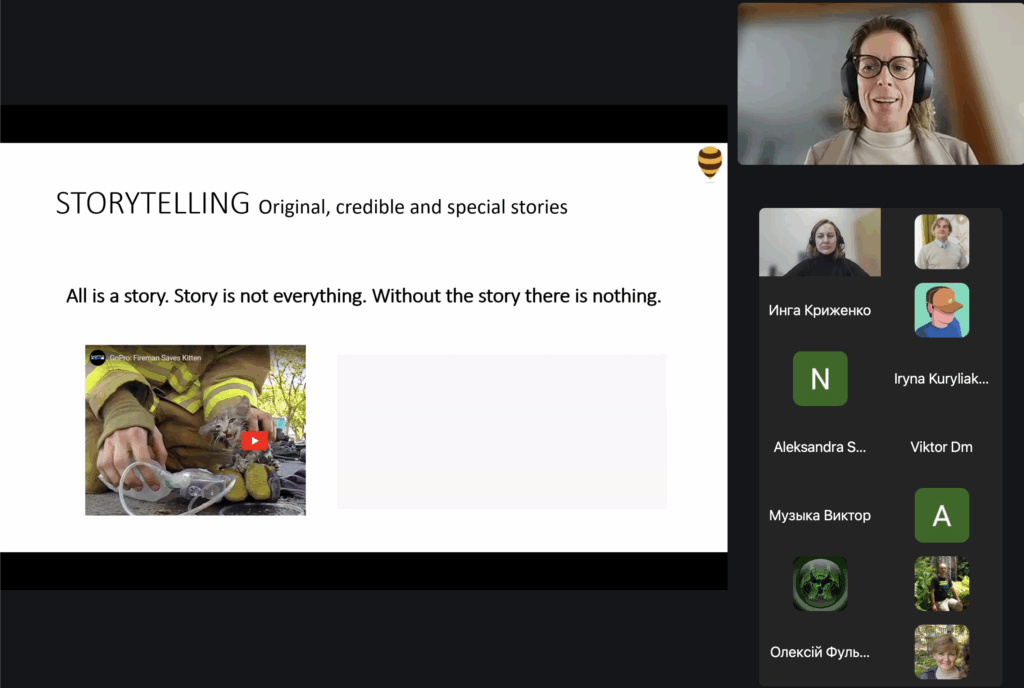
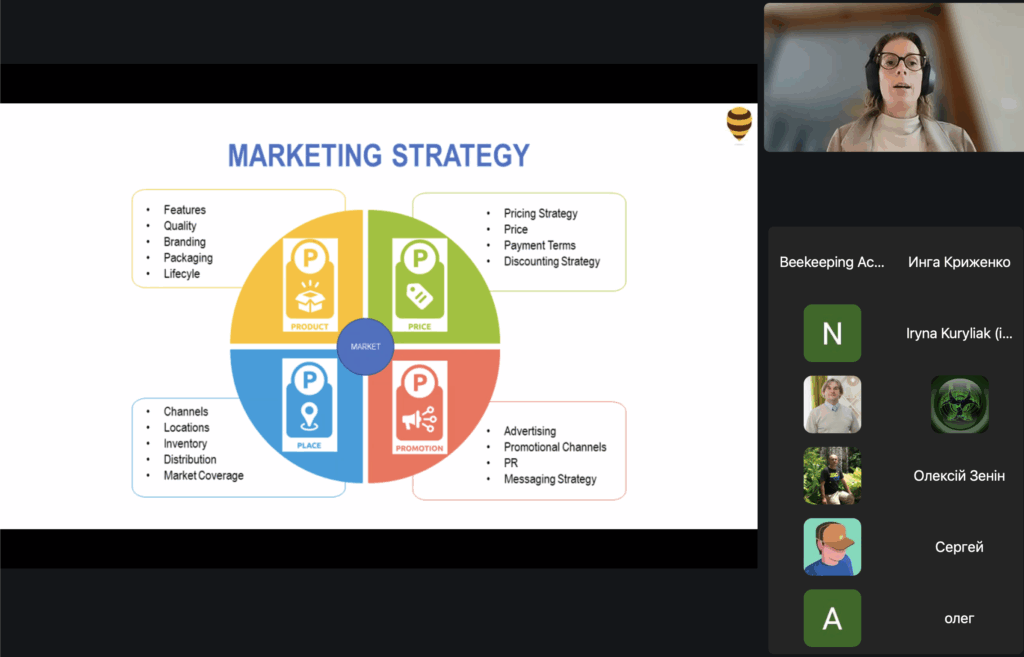
2. Strategic Marketing Management of Honey (19 November)

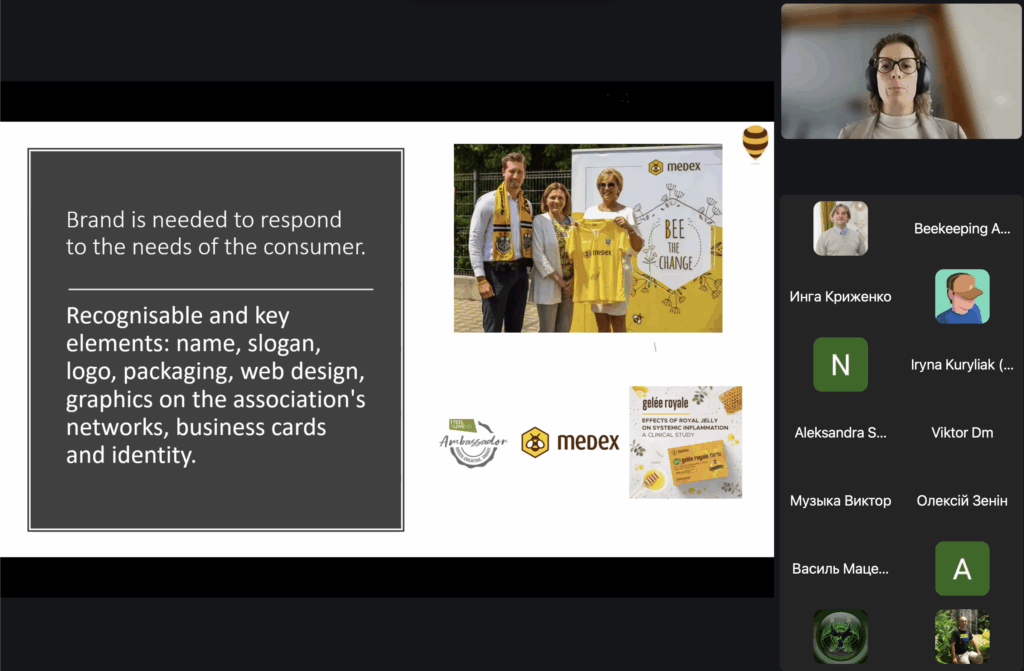
On the second day, participants explored the entrepreneurial side of beekeeping in a session led by Tanja Arih Korošec, founder of ApiRoutes and Coordinator of the Apimondia Apitourism Working Group.

The training covered:

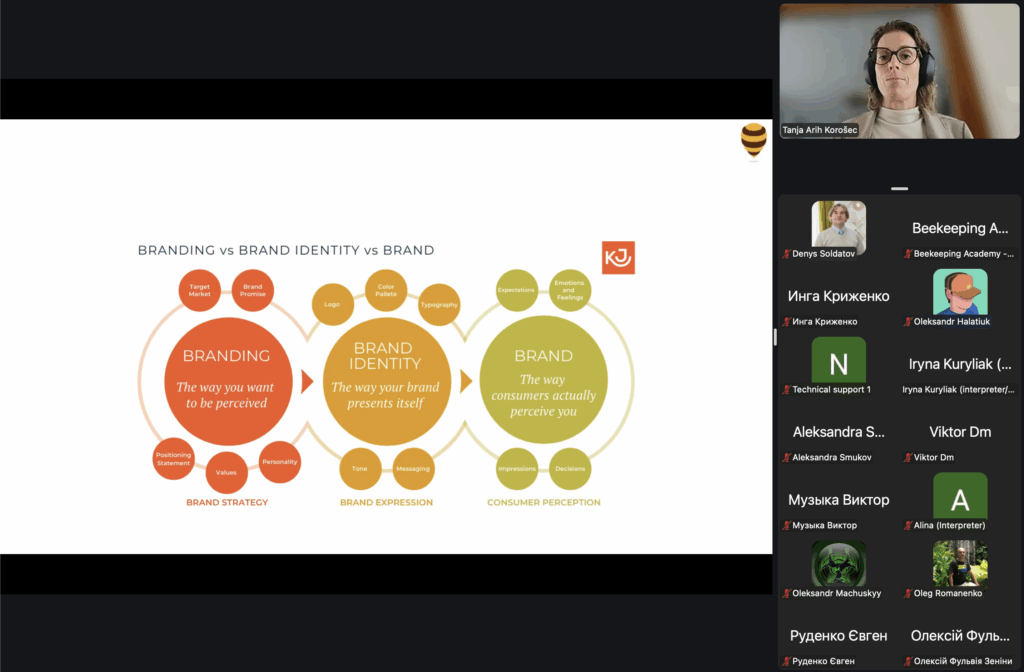
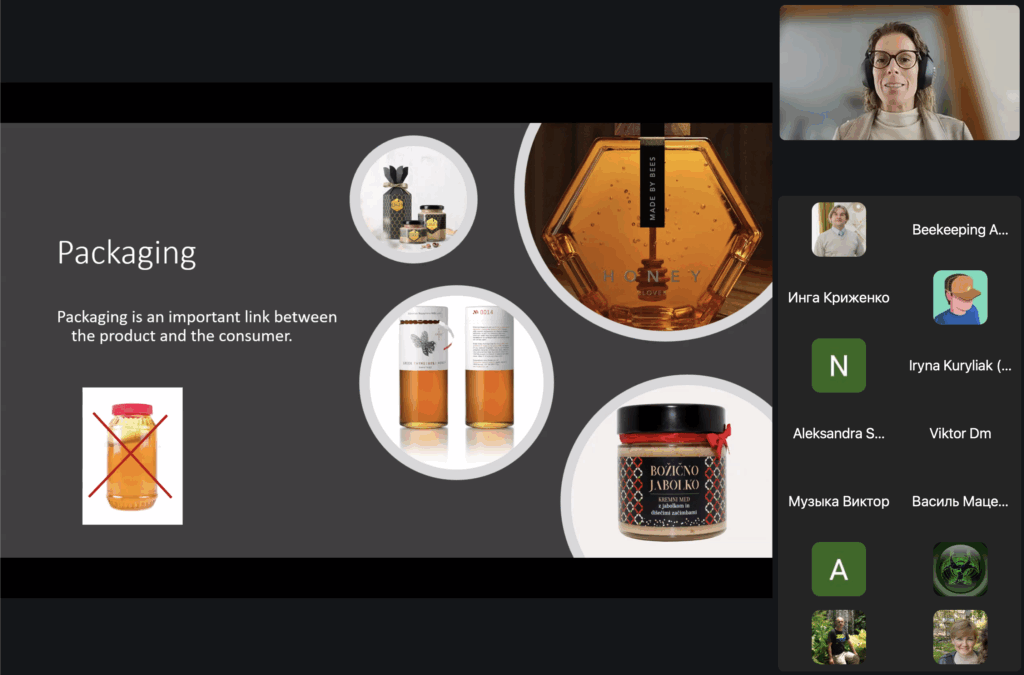
  • 📣 marketing and brand development,

  • 📝 developing a marketing strategy,

  • 📈 effective approaches to improving honey sales.

These insights help participants present their products confidently and professionally, improving their visibility and competitiveness in the marketplace.

3. Project Management (20 November)

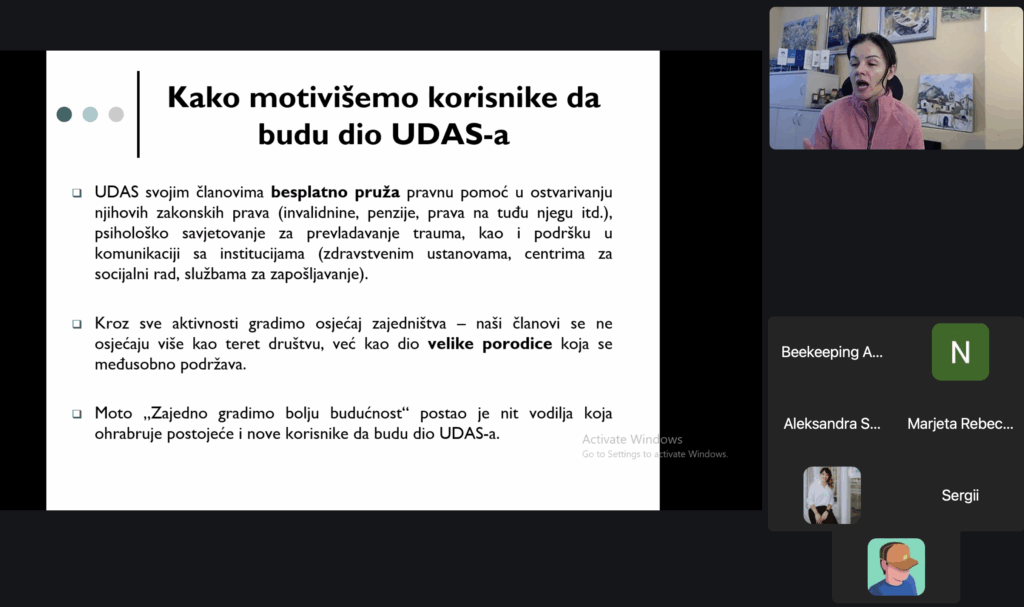
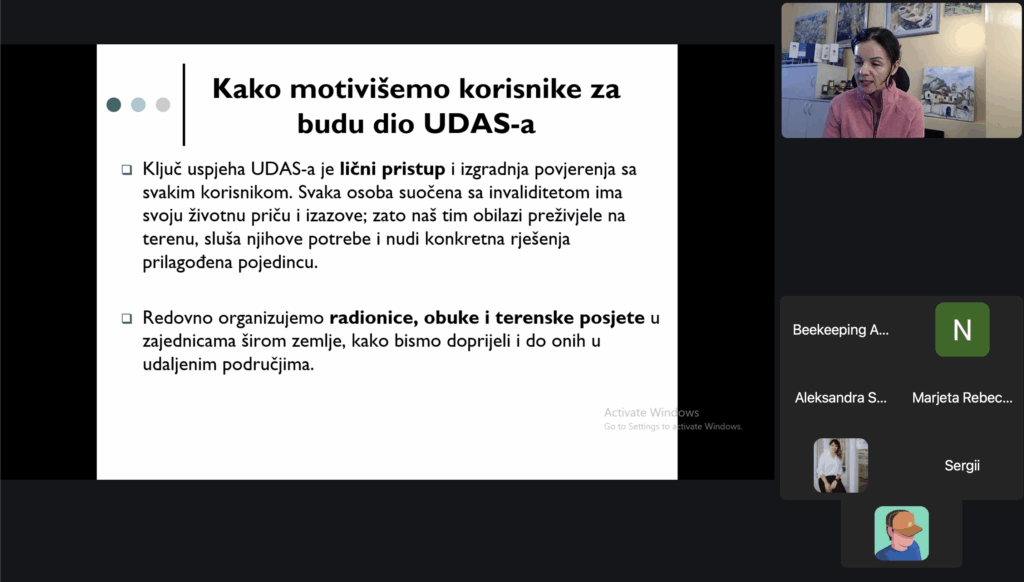
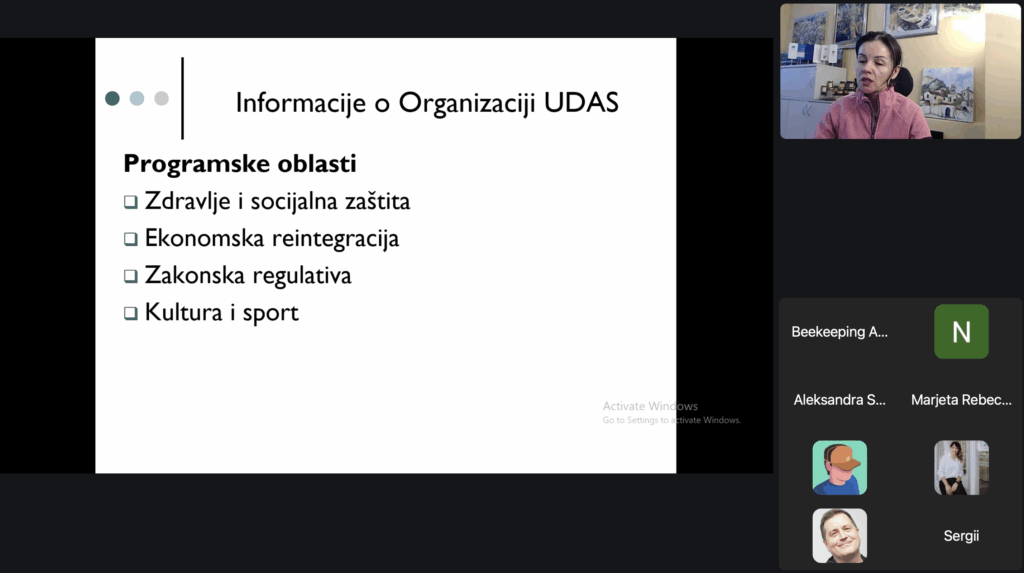
The final day was led by UDAS, an organisation with a long-standing history of supporting vulnerable communities.
The session provided knowledge about project management.

The training equipped participants with the ability to manage and grow their own projects independently.

Knowledge that Builds Independence

The programme demonstrates once again that beekeeping can serve as a powerful tool for economic and social empowerment.
Through expert guidance, accessible education, and strong partnerships, the project supports participants in building long-term independence, stability, and meaningful engagement with their communities.

The project is supported by the Republic of Korea, the Republic of Slovenia under the “Slovenian Aid” International Development Cooperation and Humanitarian Aid Programme through ITF Enhancing Human Security.


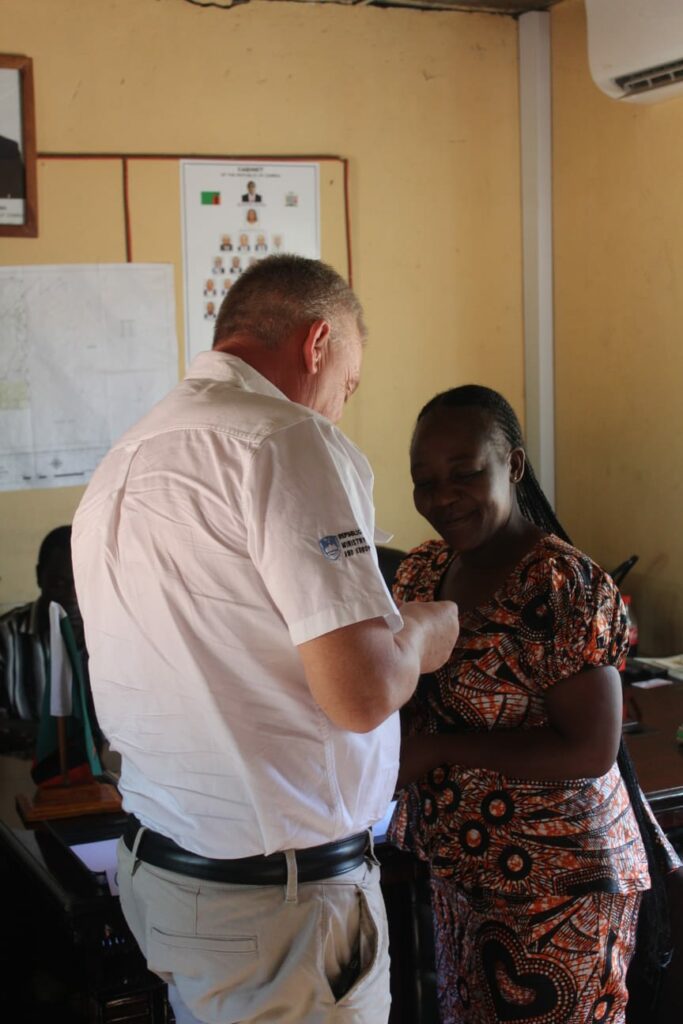
🐝 Beekeepers as Agents of Positive Change in Zambia

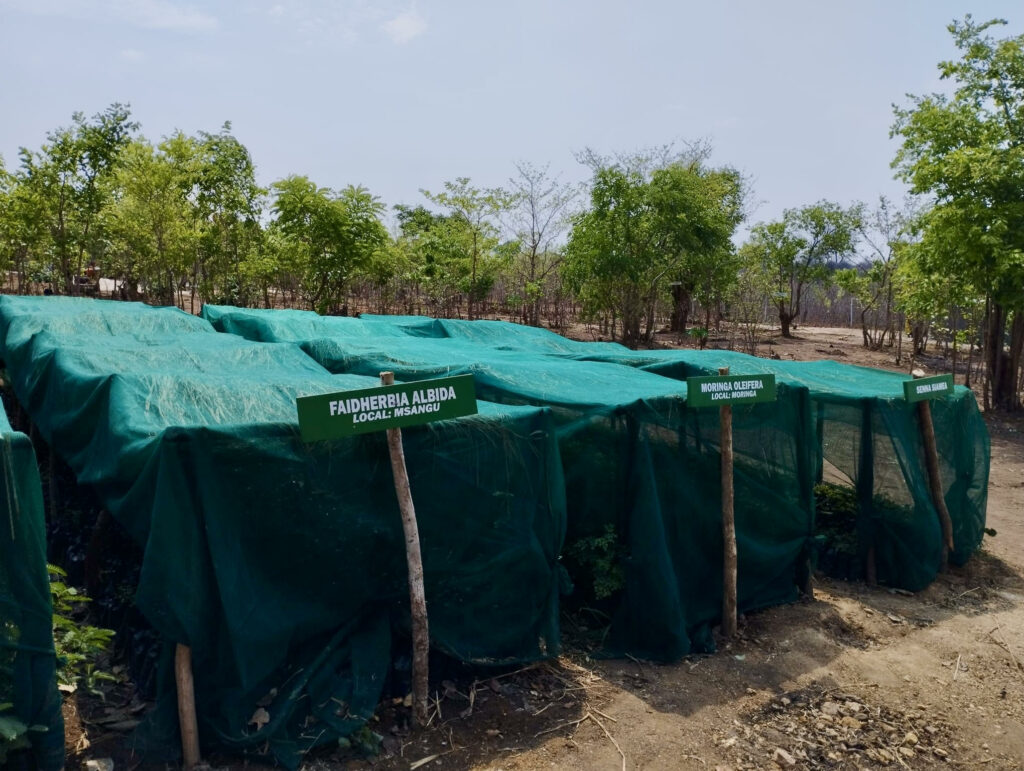
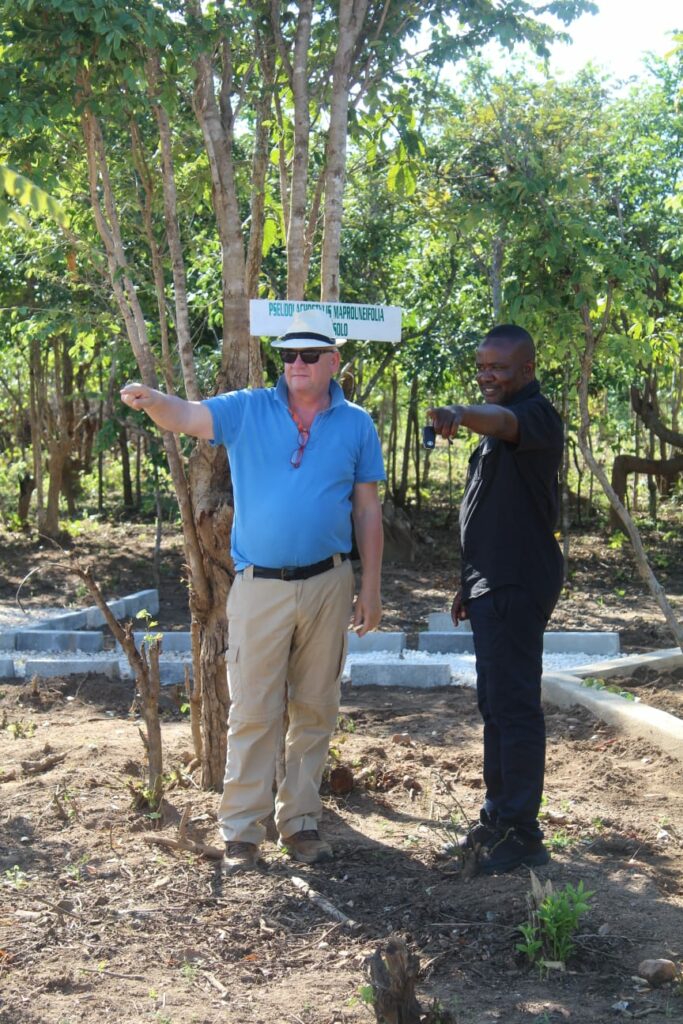
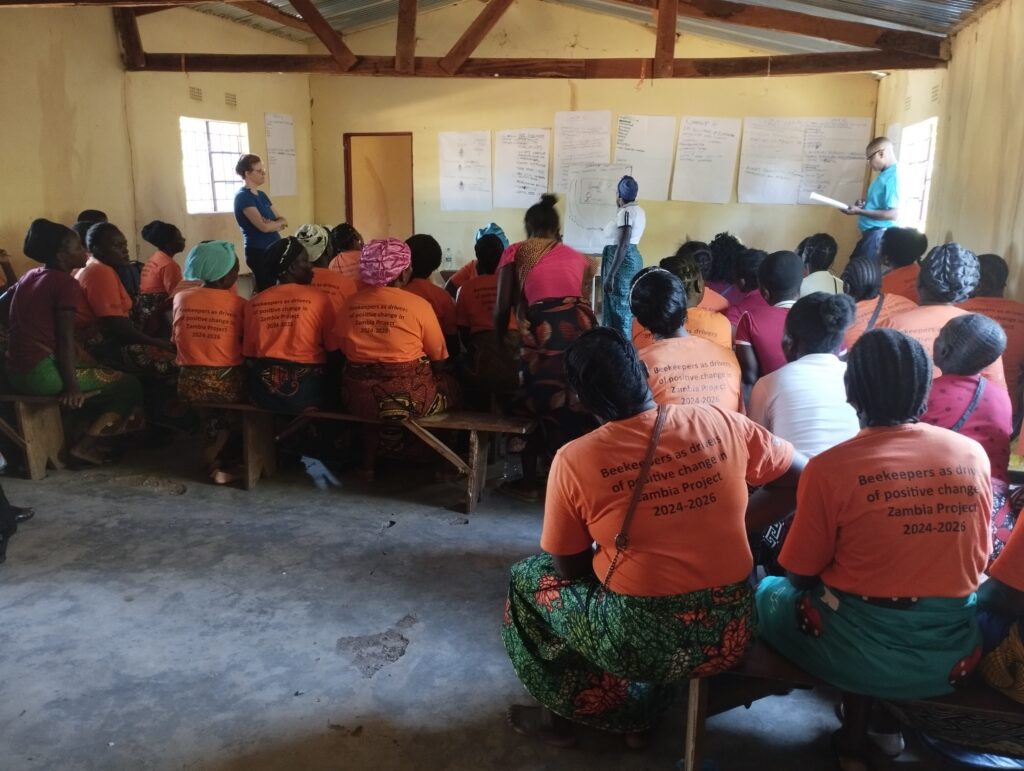
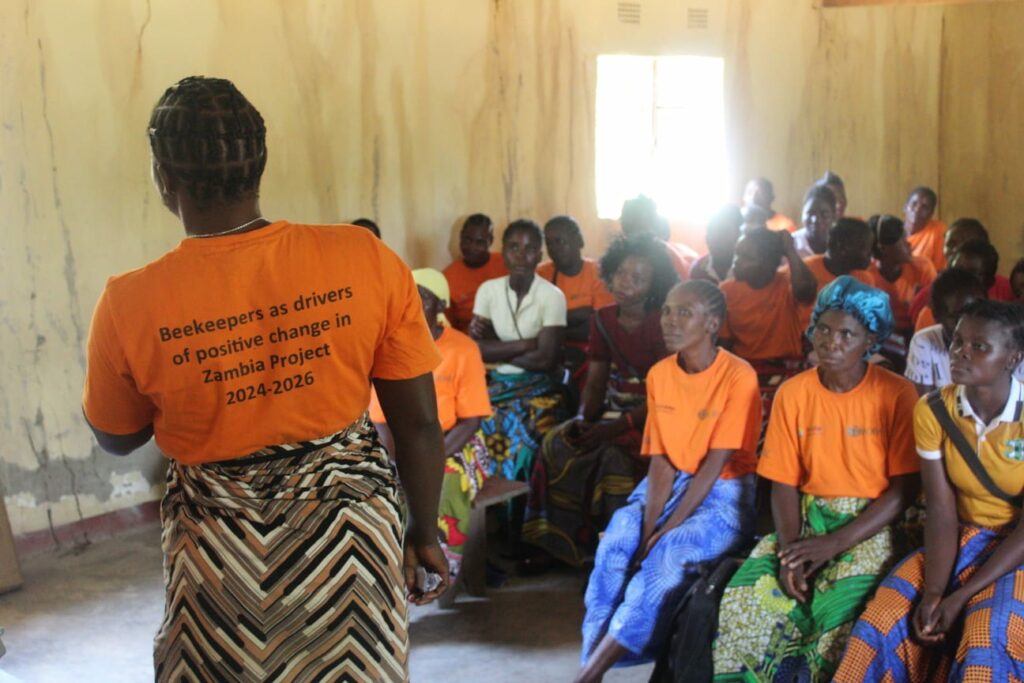
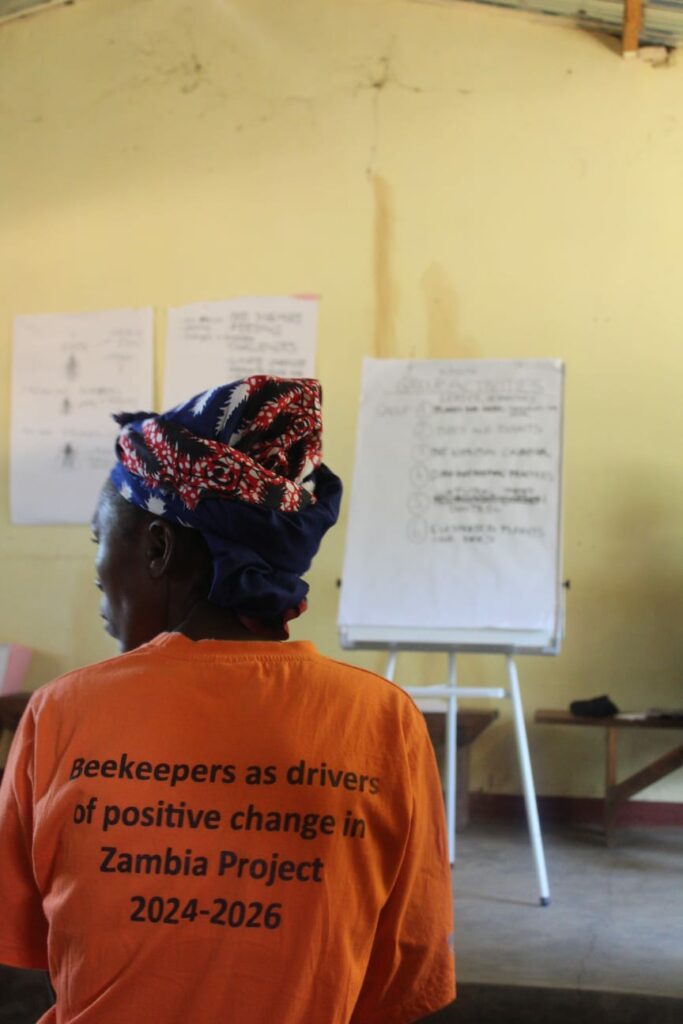
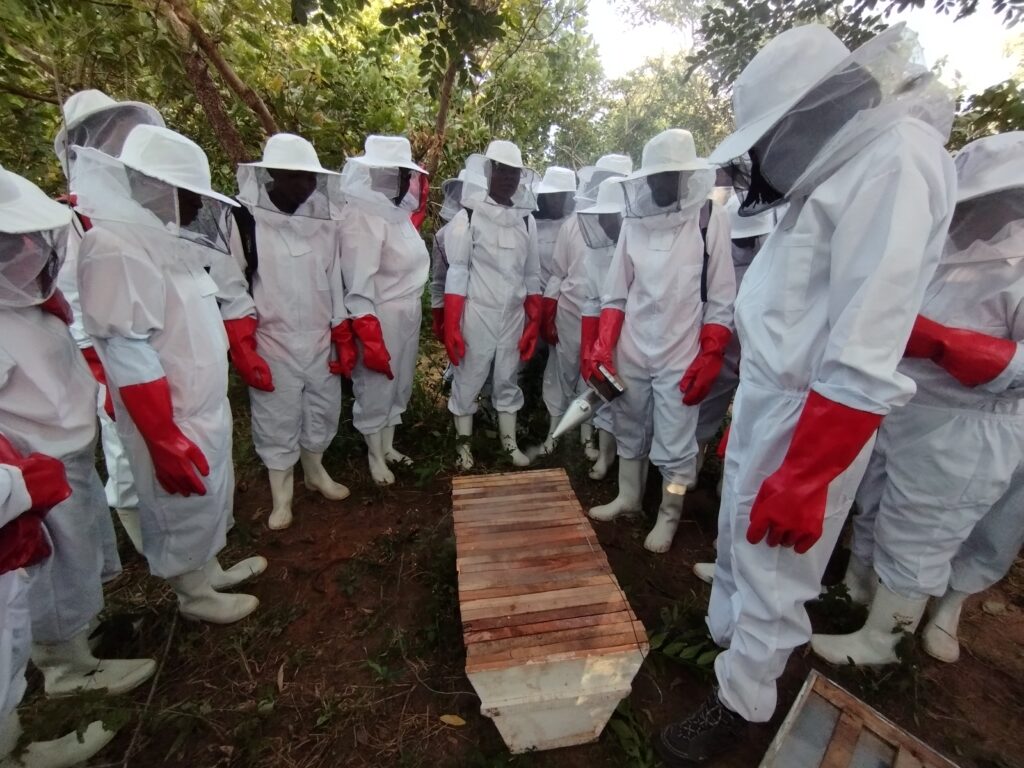
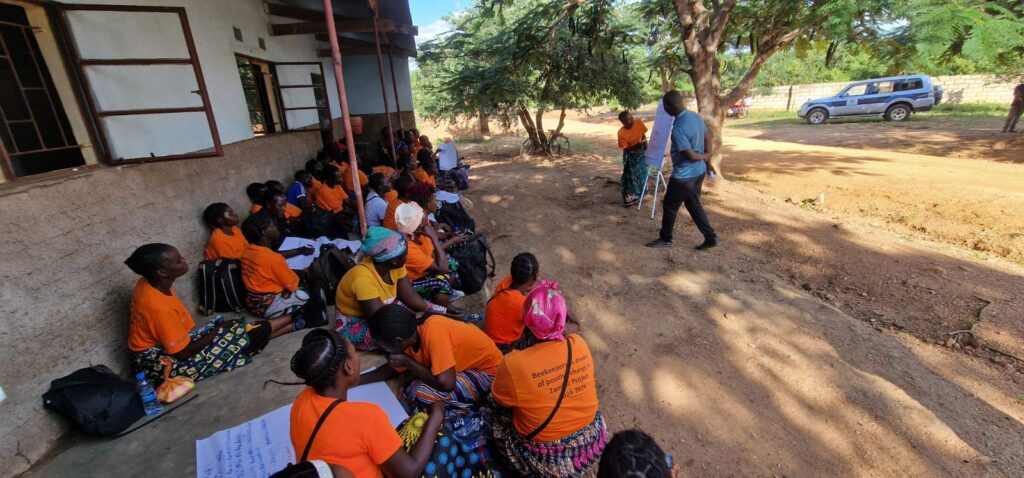
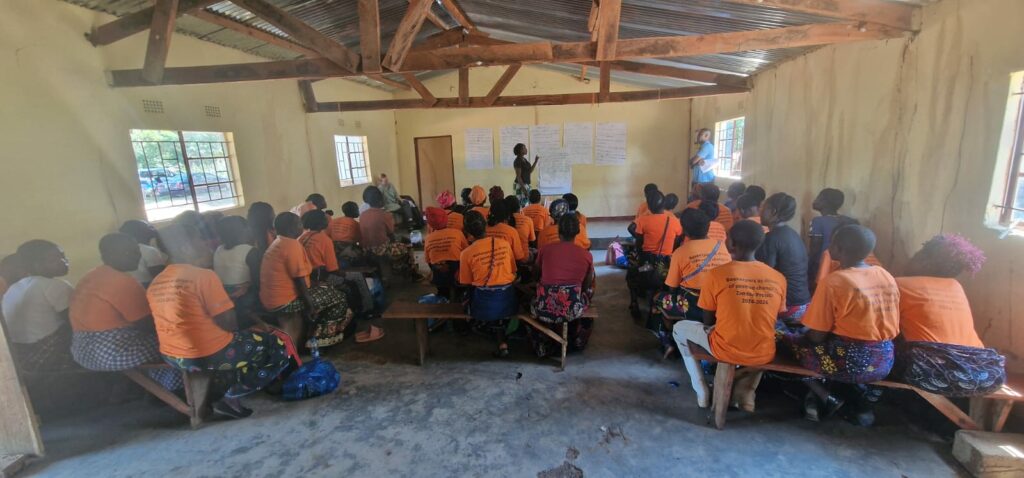
The project “Beekeepers as Agents of Positive Change”, led by ADRA Slovenia in cooperation with ADRA Zambia, the Agricultural Institute of Slovenia (KIS), and other partners, brings together knowledge, sustainability, and nature in the Lusangazi District, Eastern Province of Zambia. 

The main goal of the project is to empower women, youth, and persons with disabilities through eco-friendly beekeeping, supporting rural development, environmental protection, and new livelihood opportunities for local communities.

🌳 Reforestation and Honey Plants

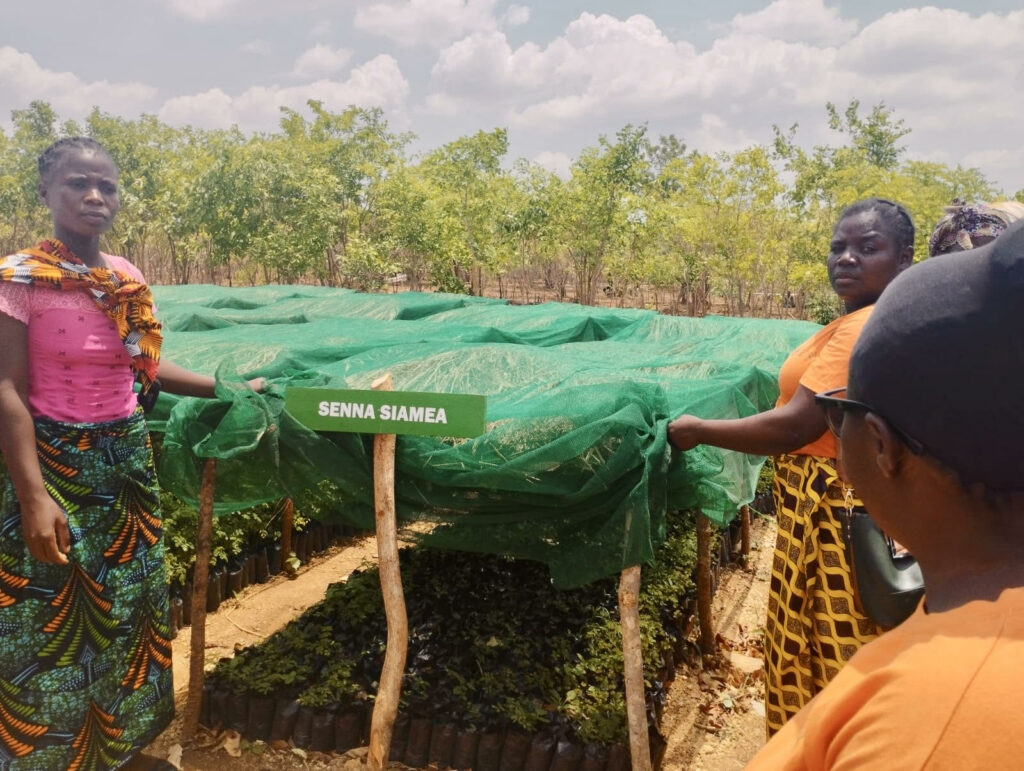
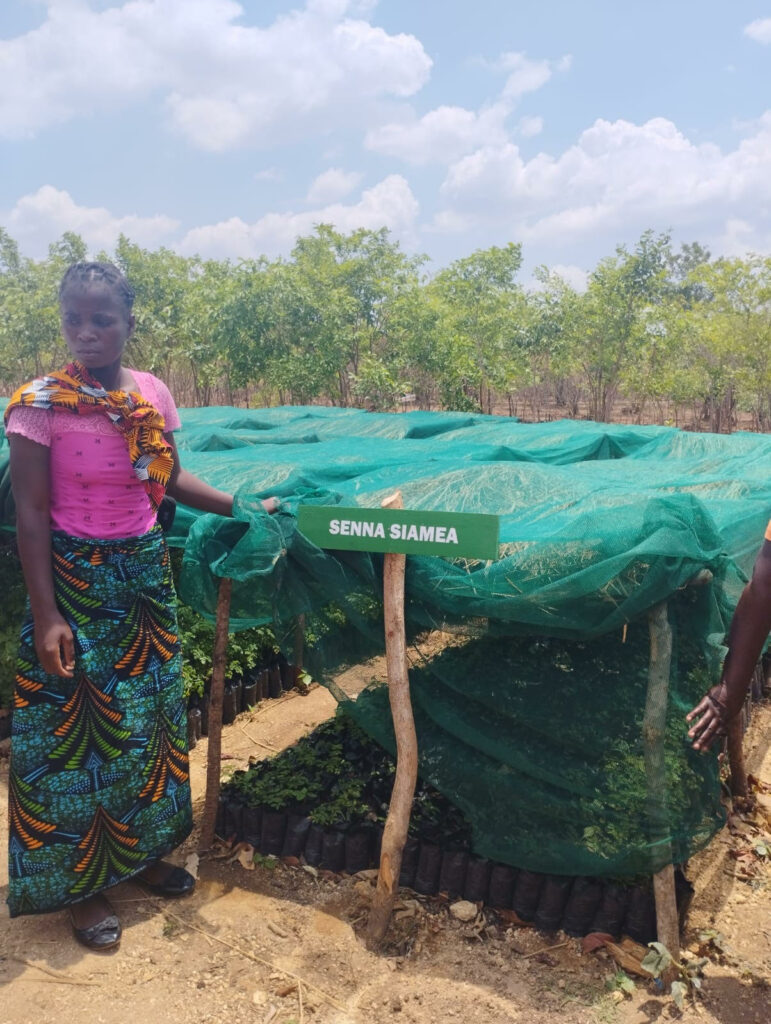
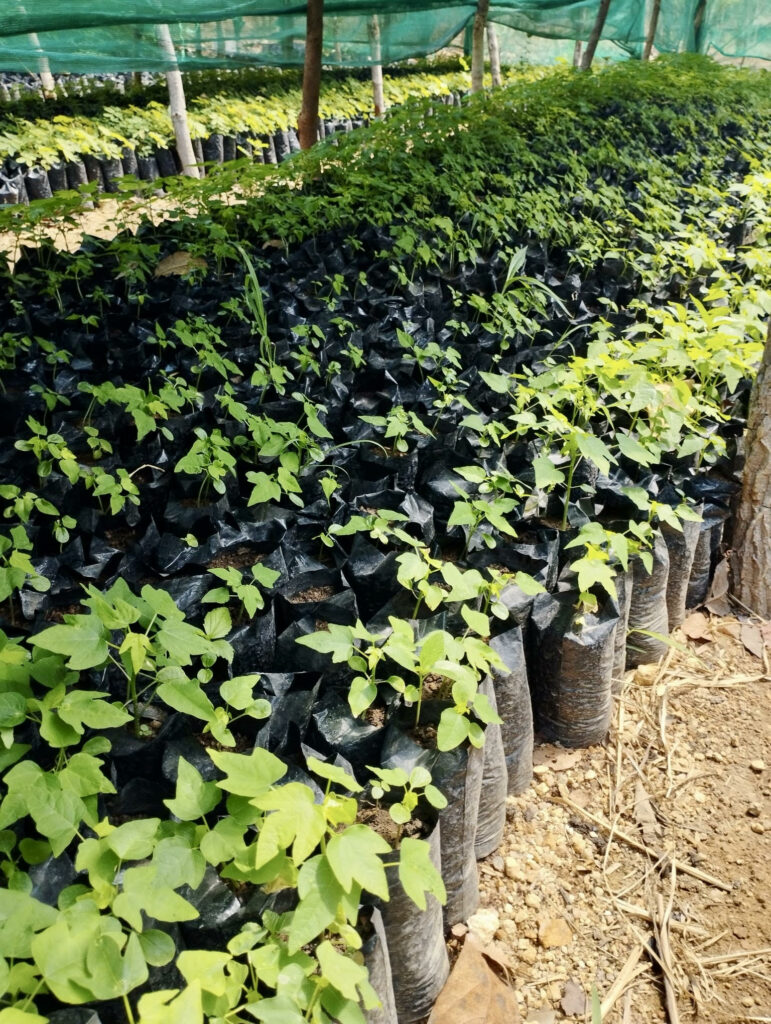
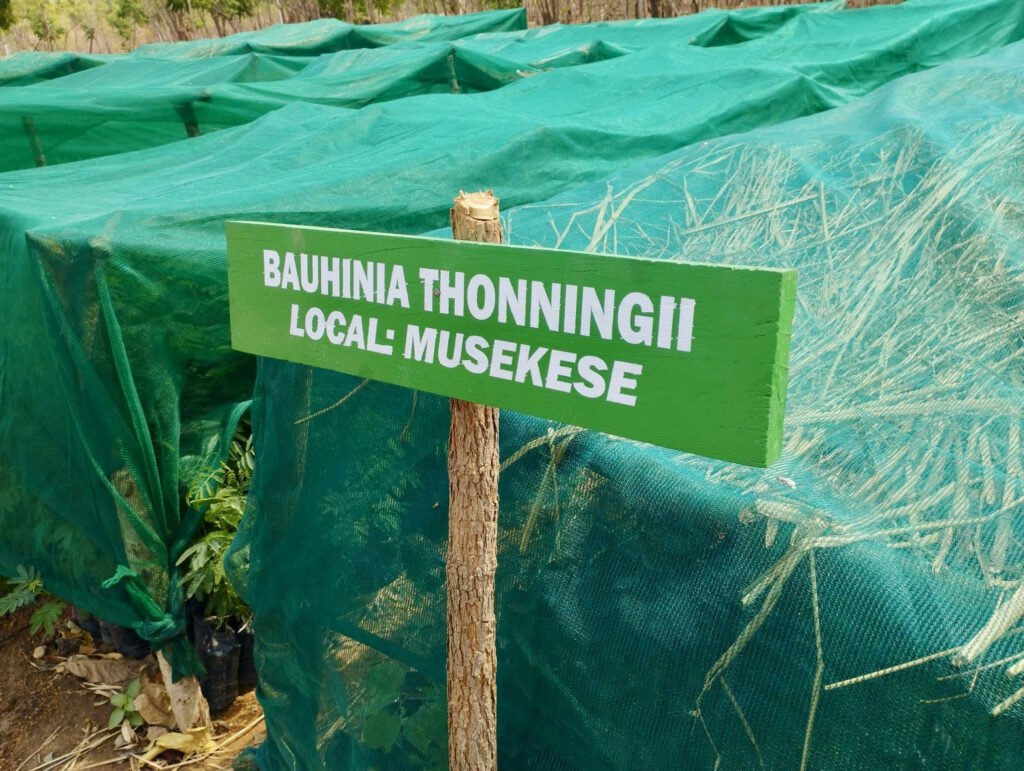
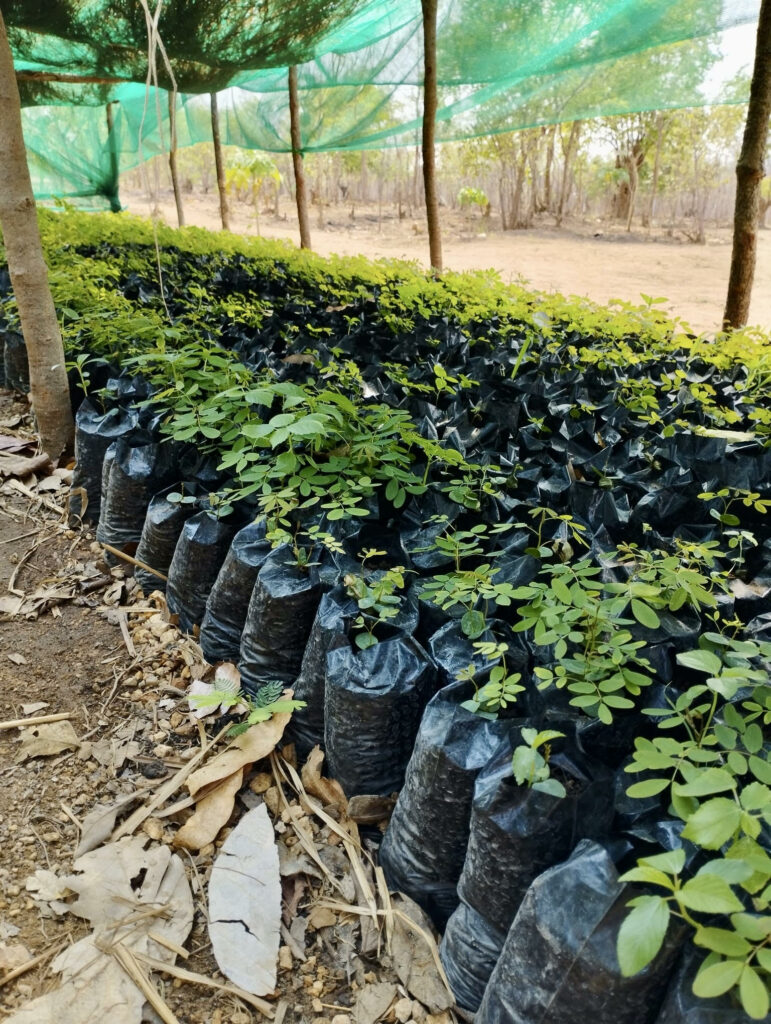
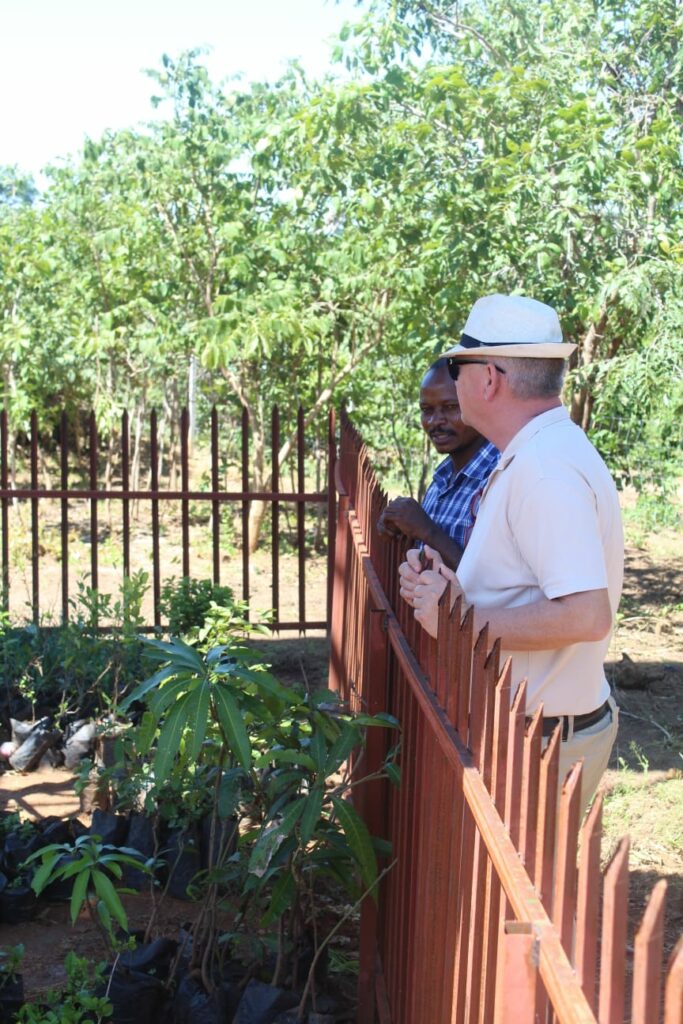
A key part of the project focuses on reforestation and the distribution of honey-producing seedlings, contributing to forest restoration and bee nutrition. Within this effort, the Bee Park was established – a learning and demonstration site where honey plants are growing strong, showing great results. 

♻️ Sustainable Solutions in Practice

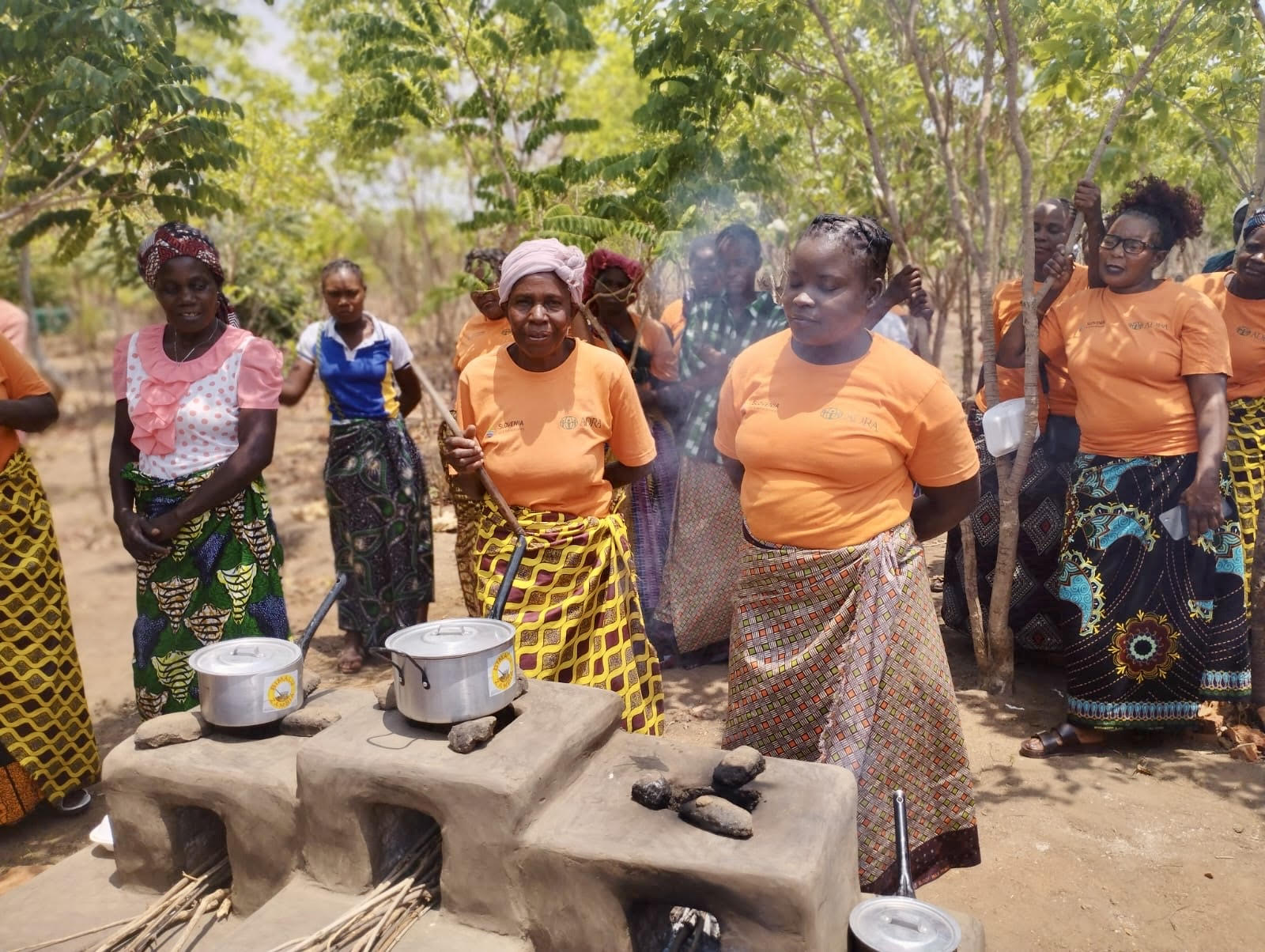
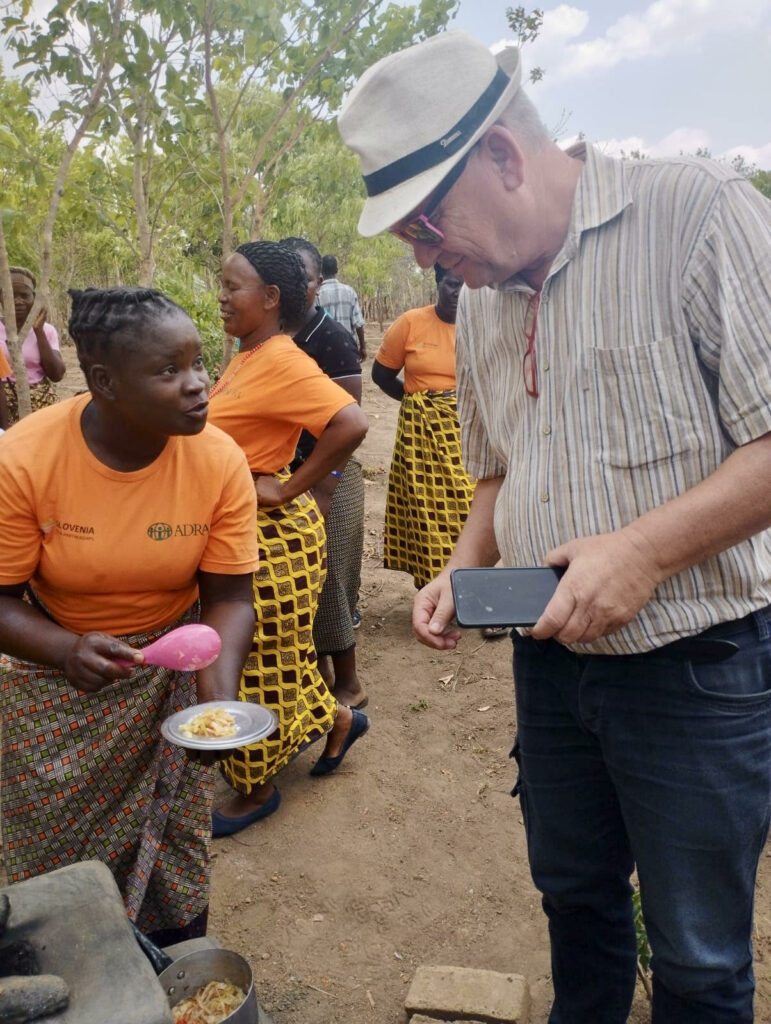
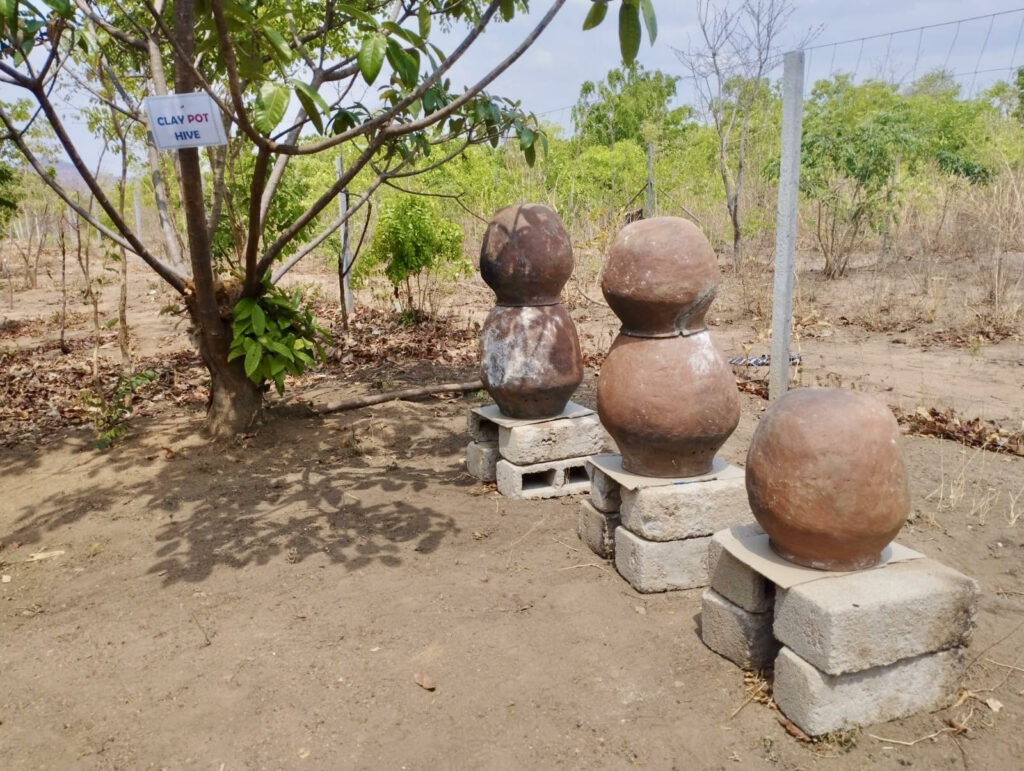
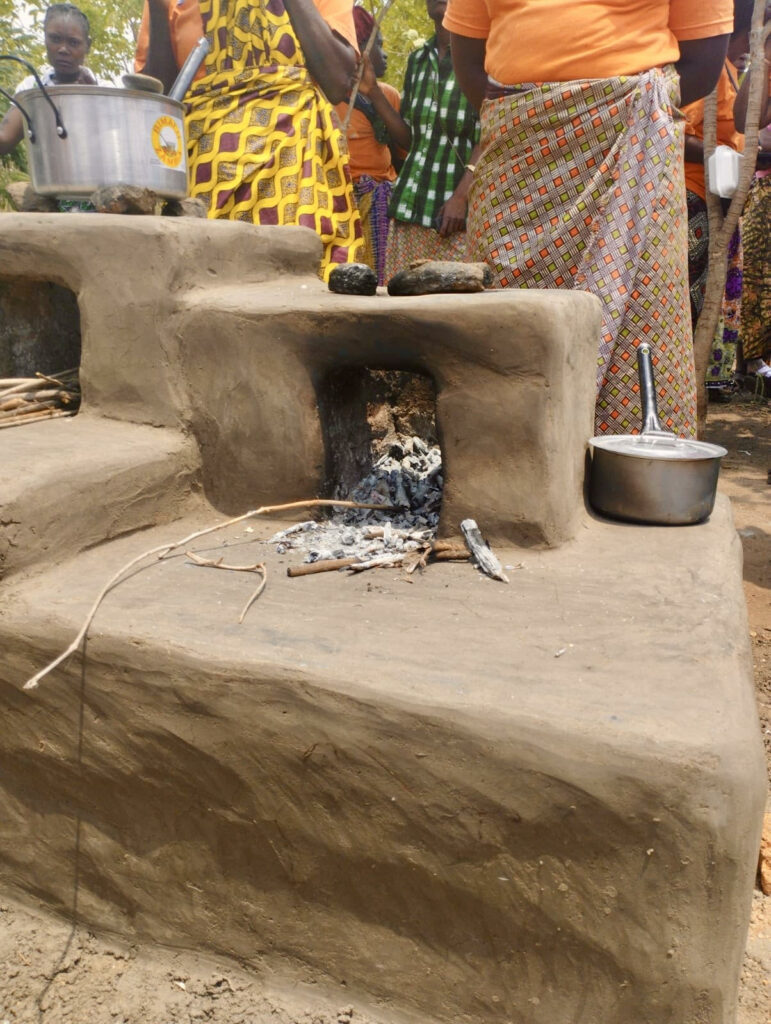
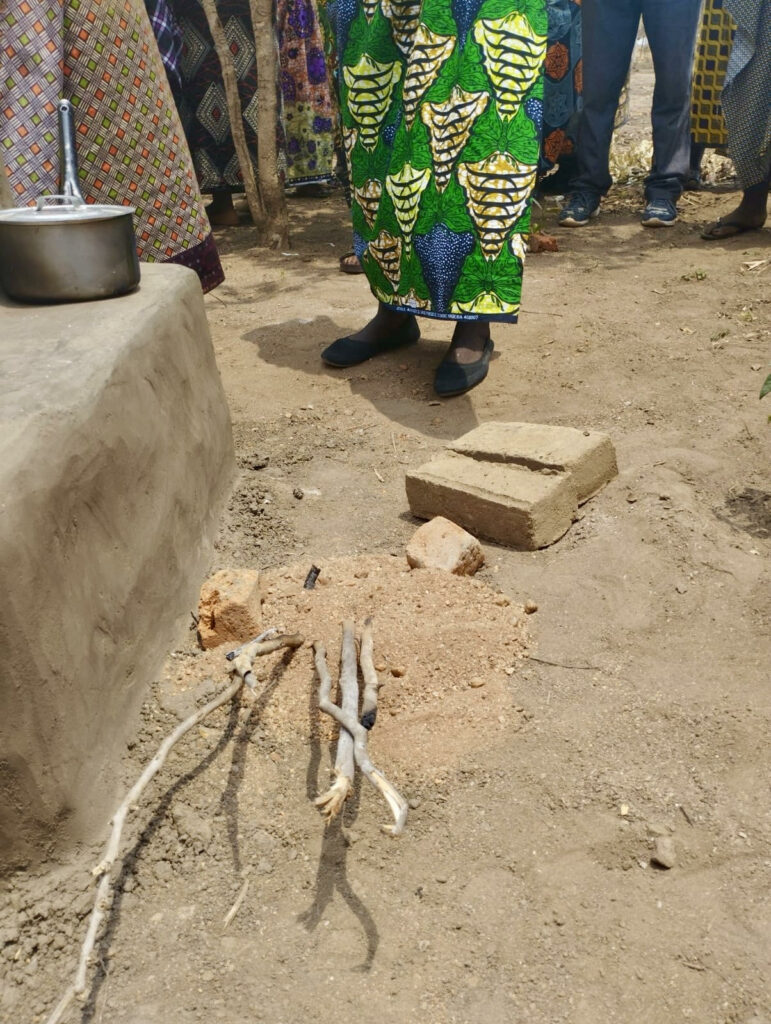
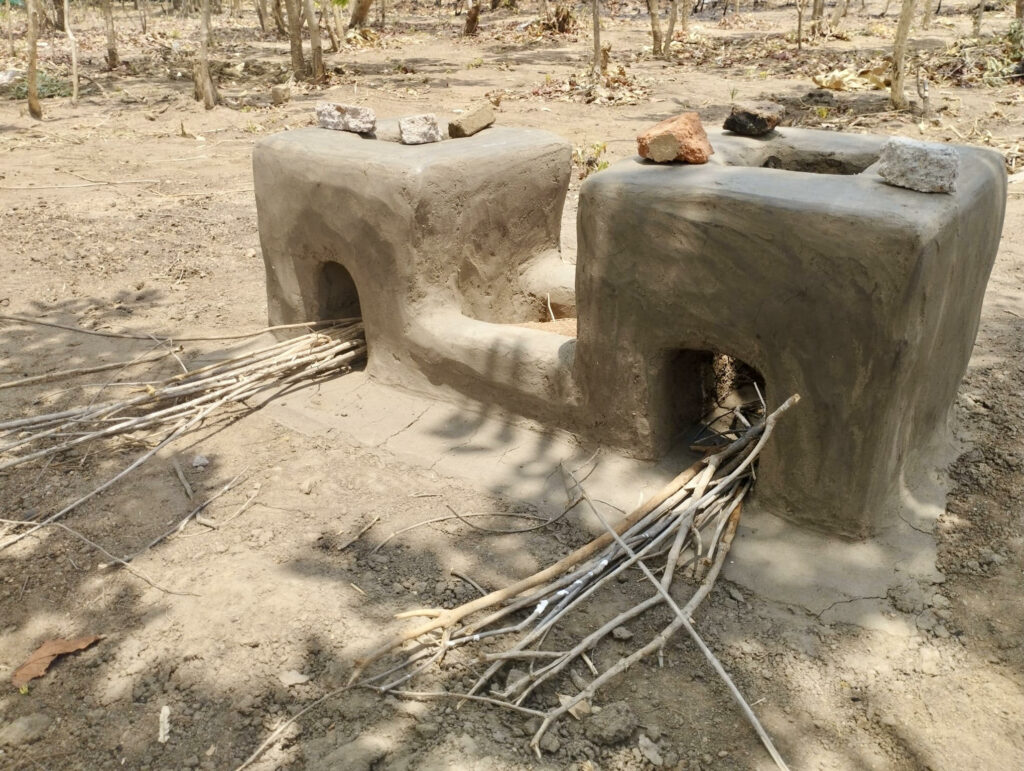
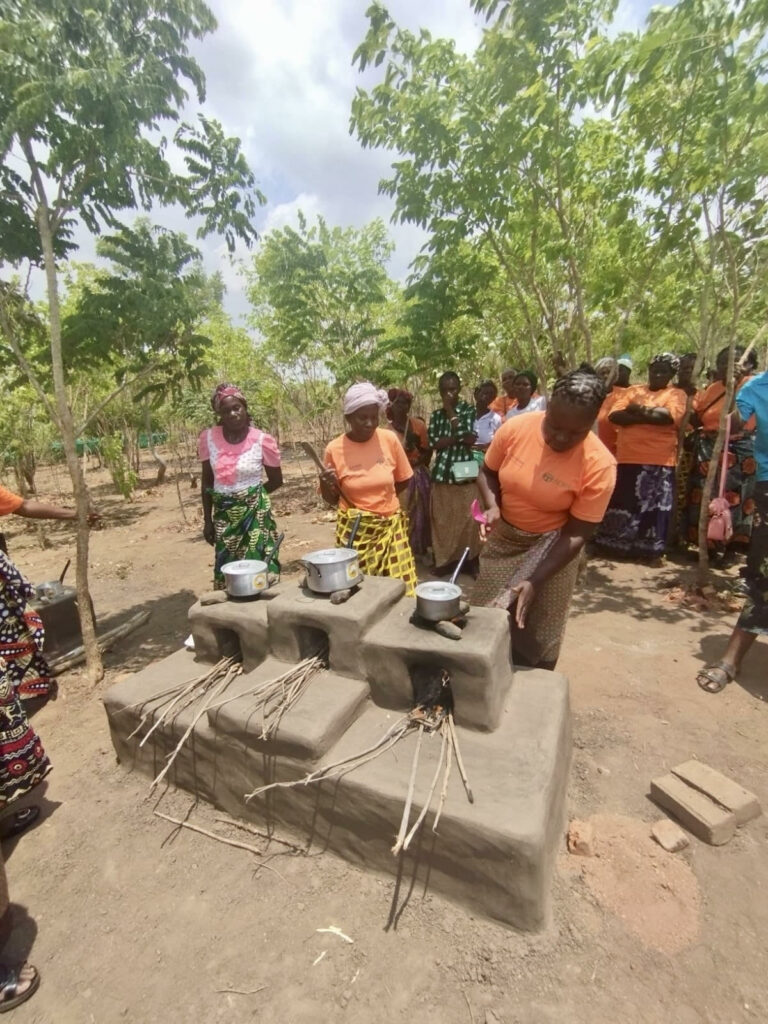
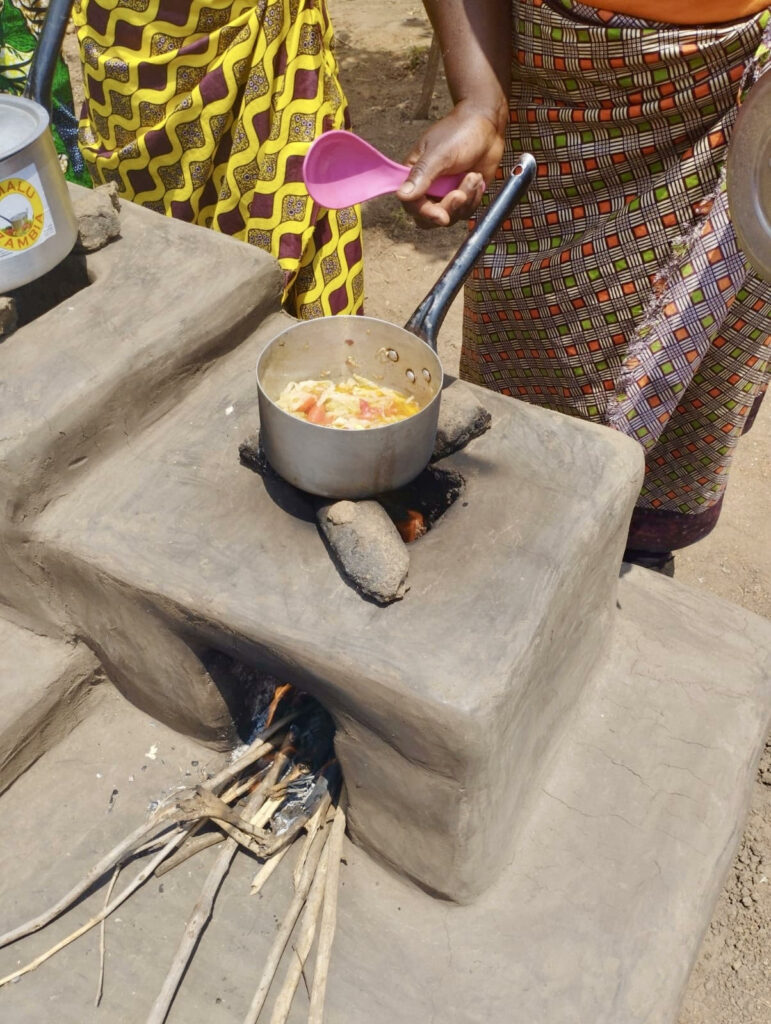
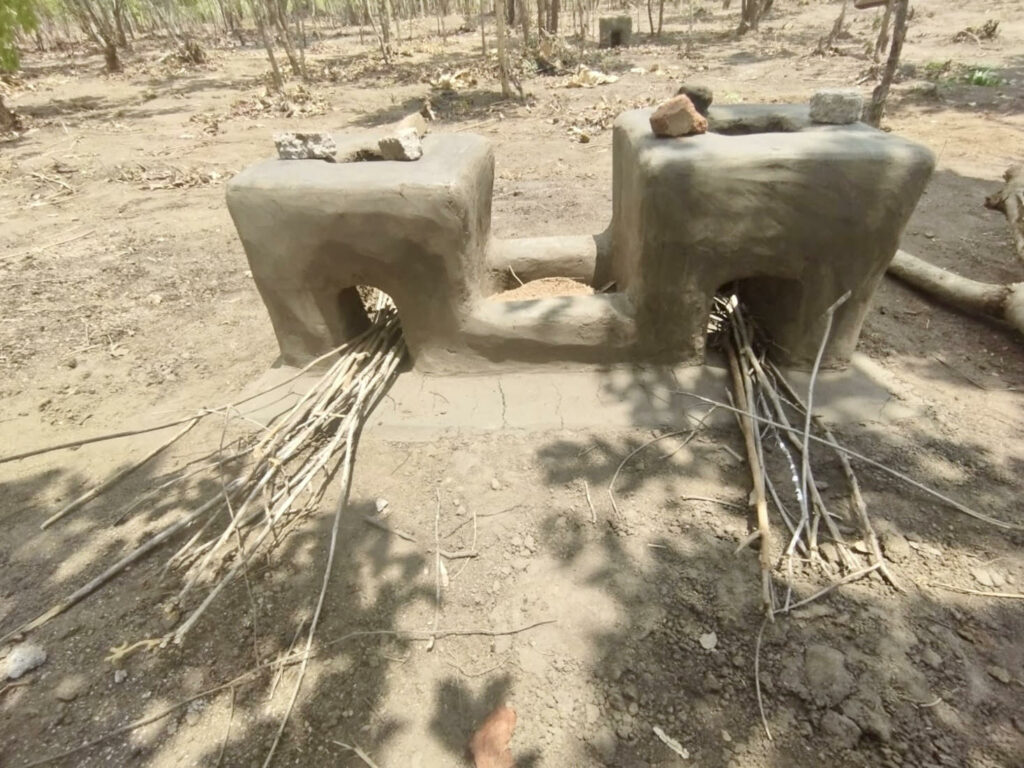
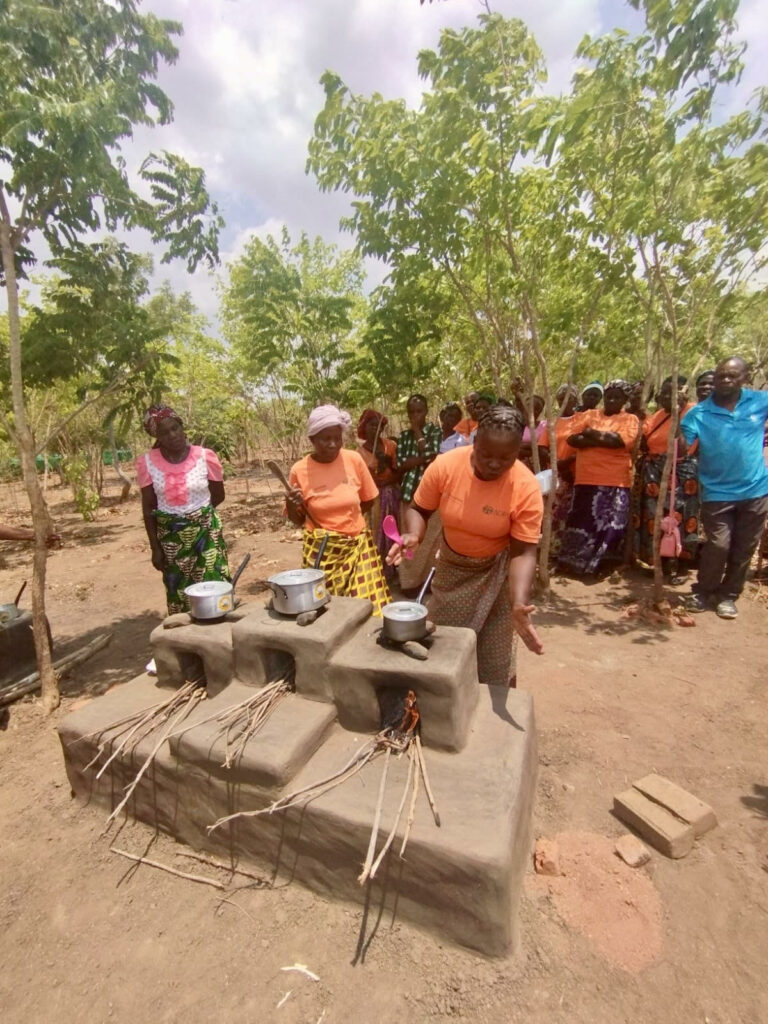
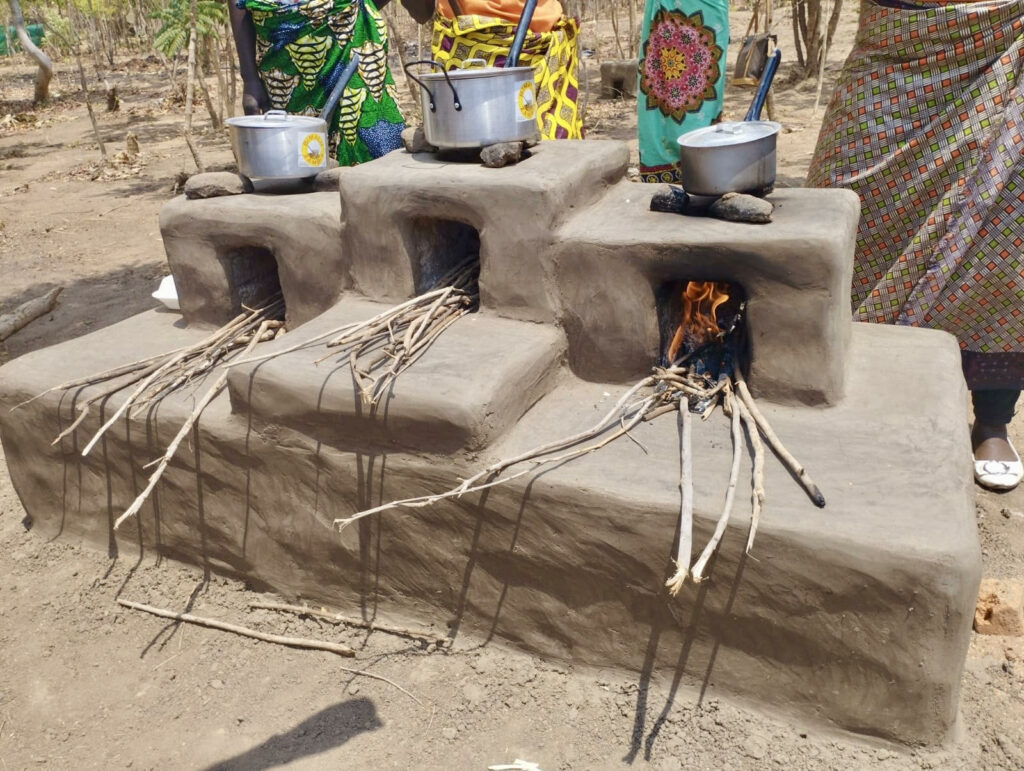
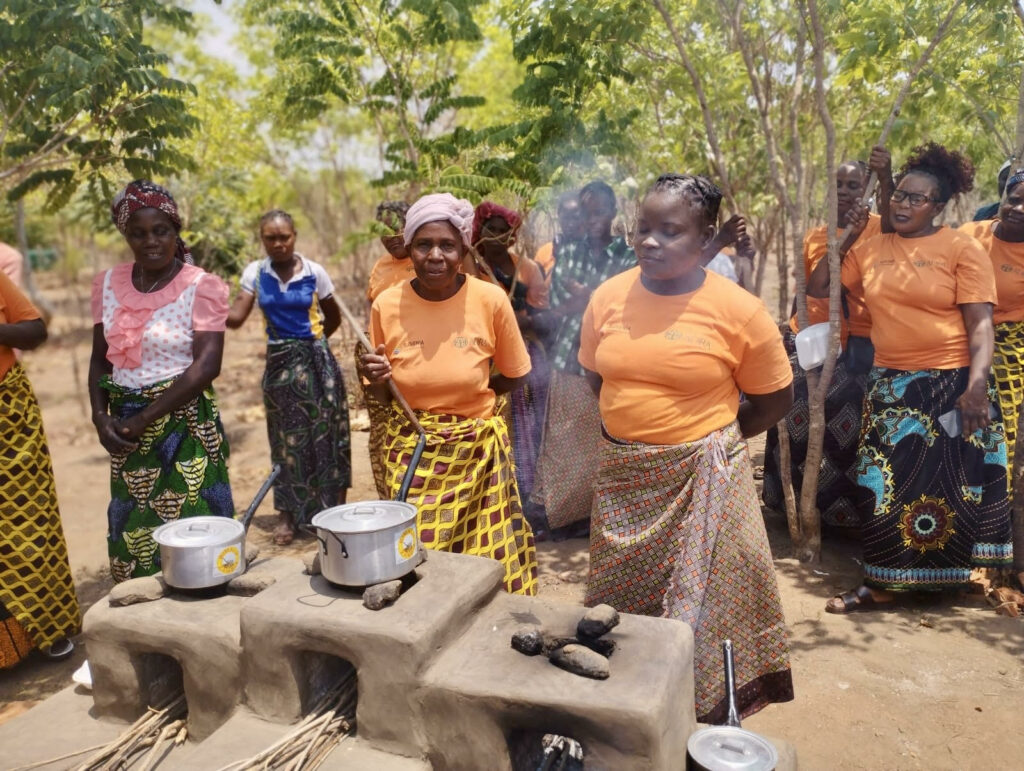
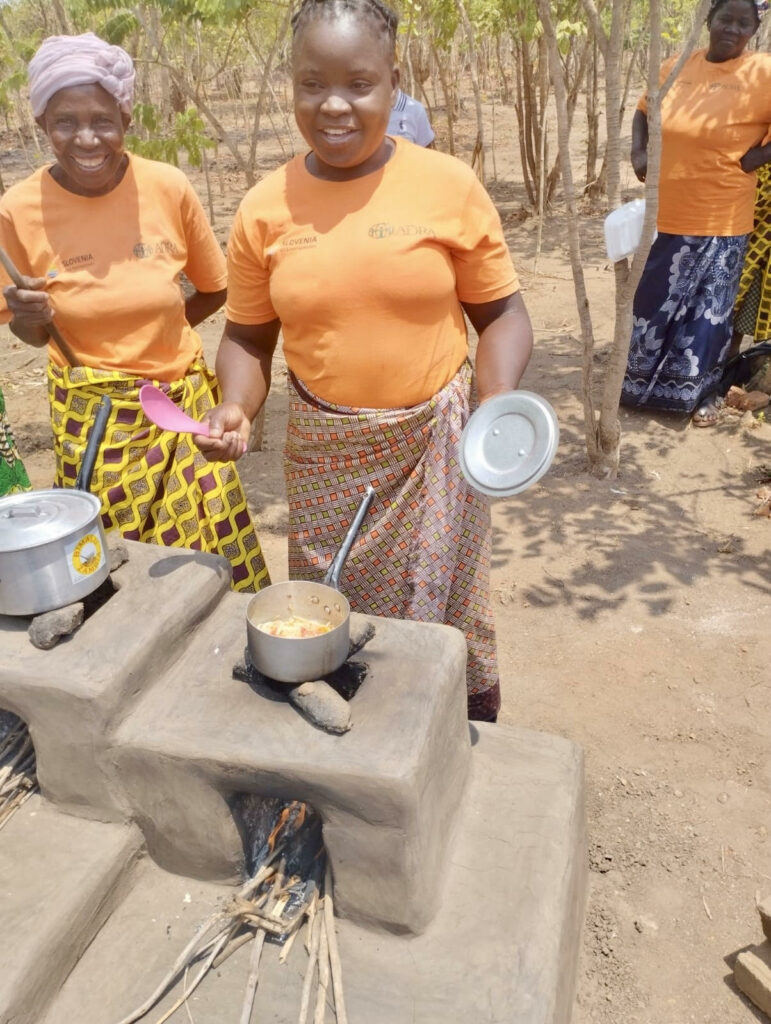
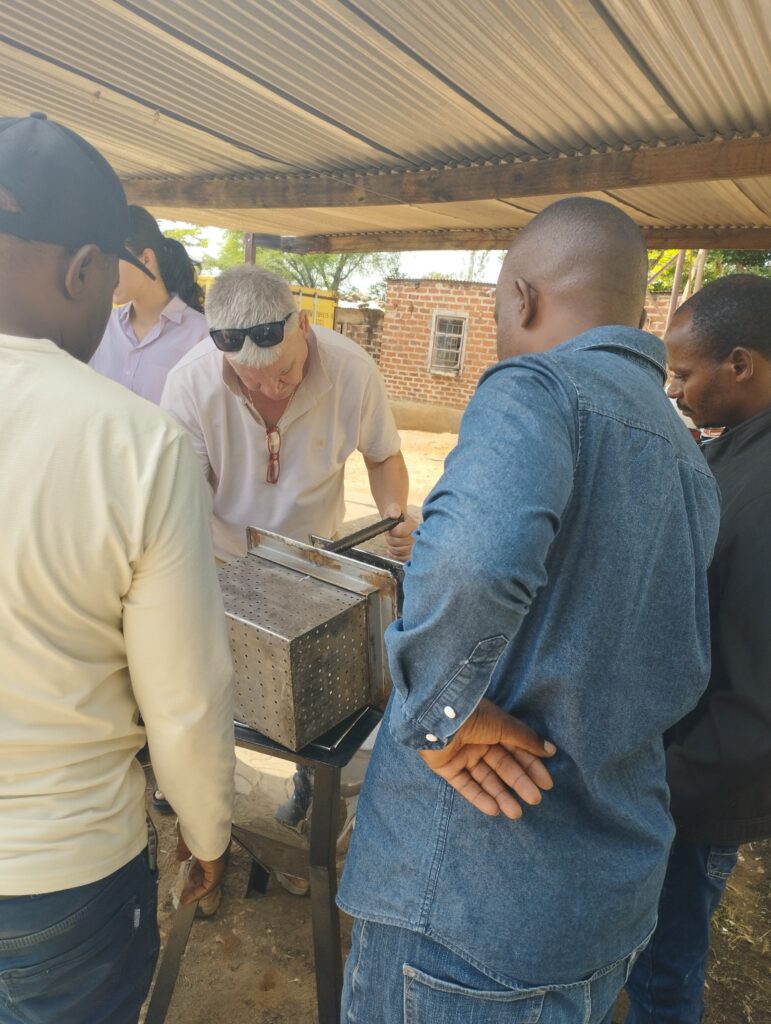
To reduce tree cutting and charcoal use, local communities have built clay ovens made from local materials. These ovens run on small branches and dry twigs, helping prevent deforestation while promoting eco-friendly cooking practices

🍯 Bee Park – Where Innovation Meets Tradition

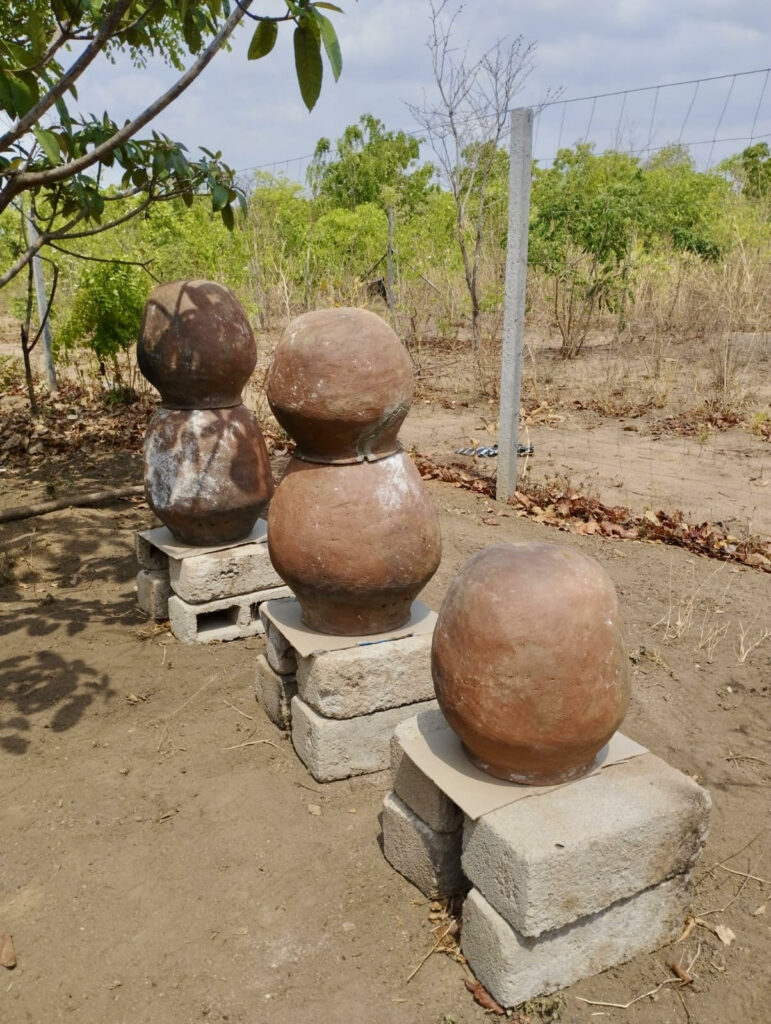
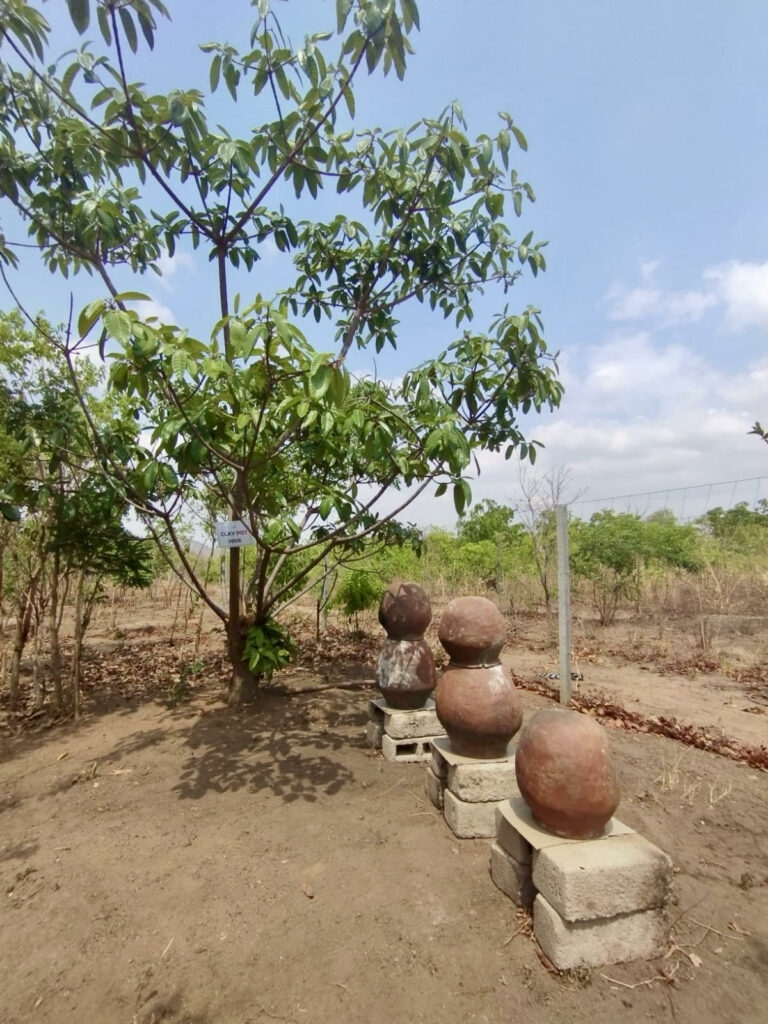
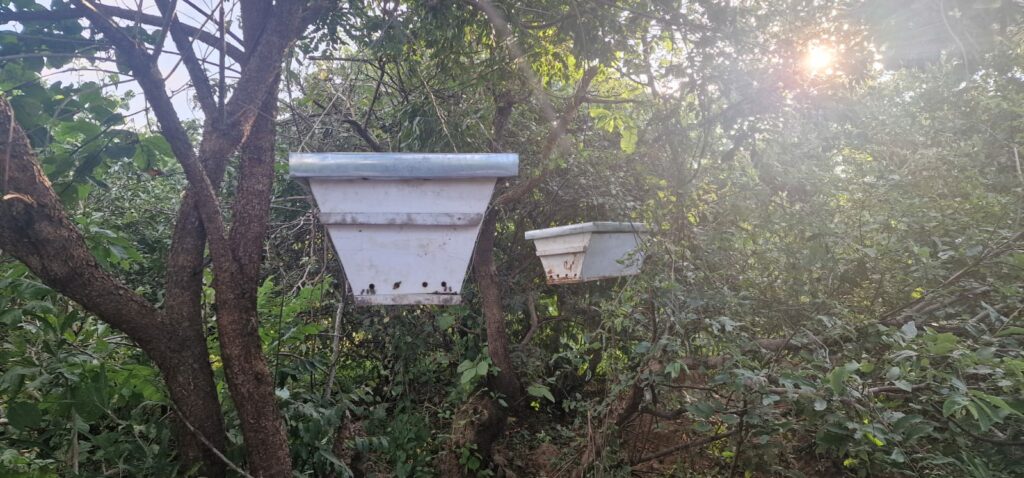
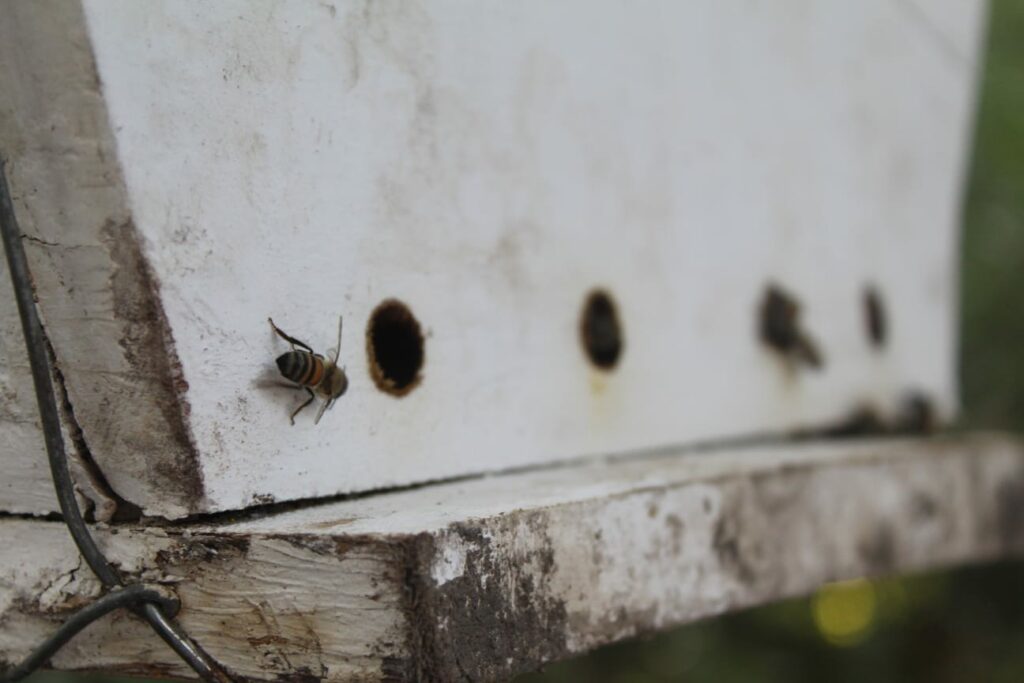
The Bee Park showcases various beekeeping technologies, from modern methods to traditional clay hives, preserving Zambia’s rich beekeeping heritage. It serves as a space for learning, exchange, and sustainable innovation

🐝💚 A Shared Story of Change

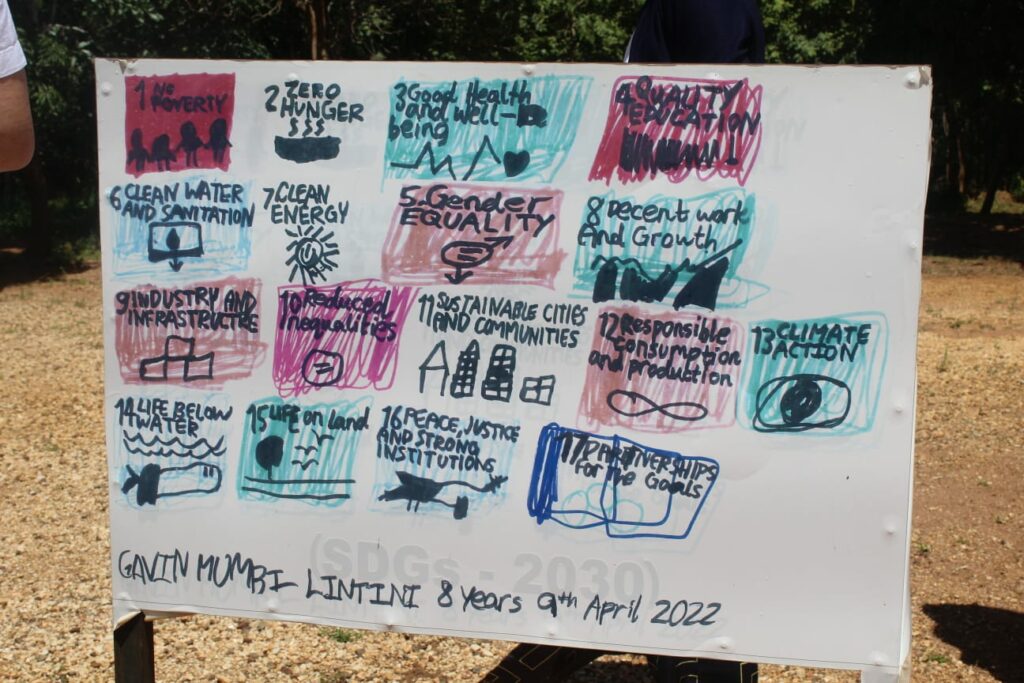
By combining sustainability, knowledge, and community, the project contributes to gender equality, environmental protection, and the Sustainable Development Goals.

Our sincere gratitude goes to the lead partner ADRA Slovenia, and to the Republic of Slovenia, Ministry of Foreign and European Affairs, through Slovenian Aid, for making this project possible. 

This project reminds us that even small actions can create a big impact – for people, bees, and the planet. 

Study Visit: Train the Trainers, Beekeepers from BiH 🐝

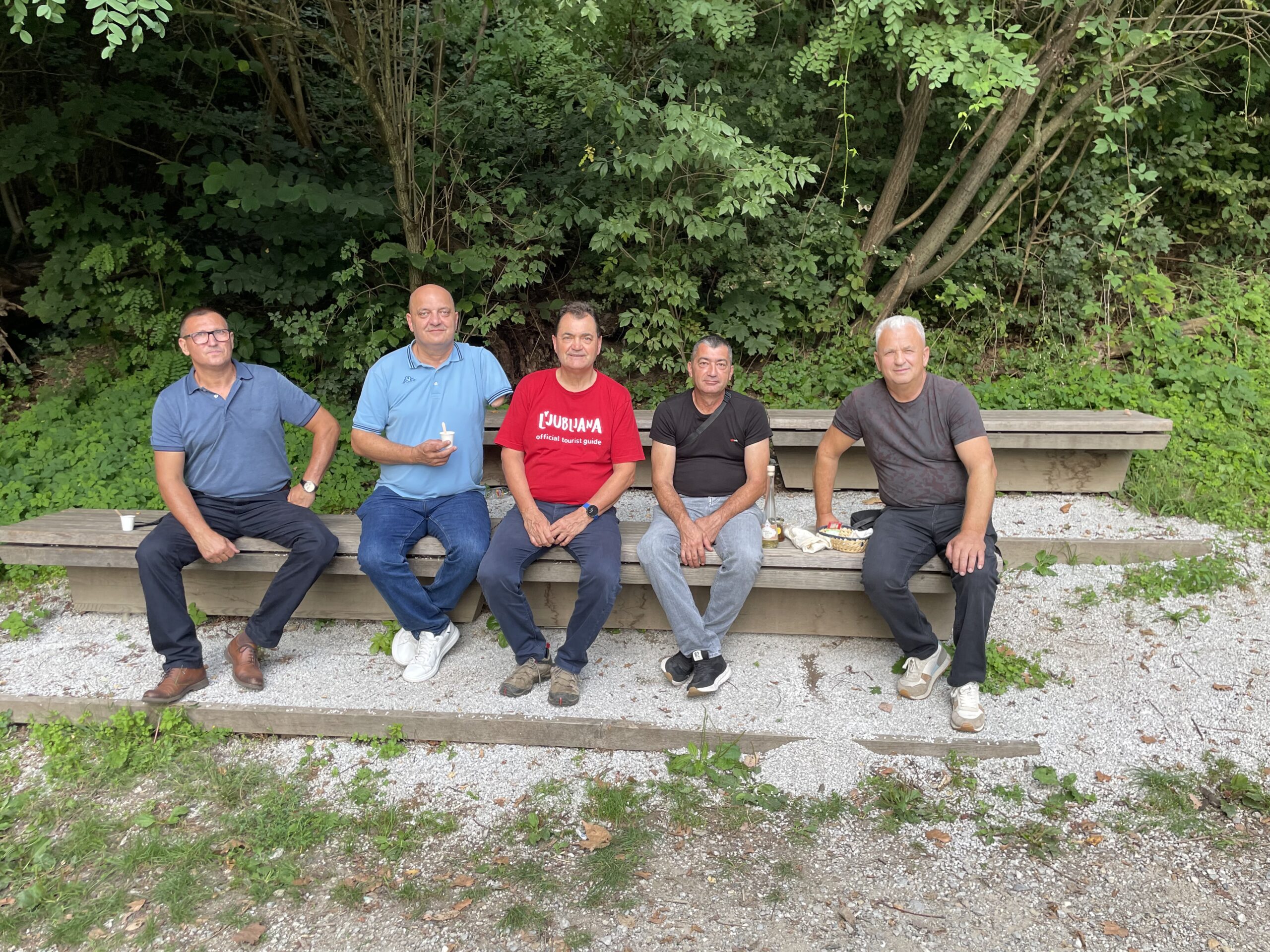
Last week, the Slovenian Beekeeping Academy, together with the Agricultural Institute of Slovenia, hosted five beekeepers from Bosnia and Herzegovina 🐝 – survivors of landmines – who took part in the Train the Trainers programme led by Mitja Smrdel and Marija Sivec. Their journey is an inspiring example of resilience and a testament to how beekeeping can create new opportunities for healing, empowerment, and community building. 🌍💛
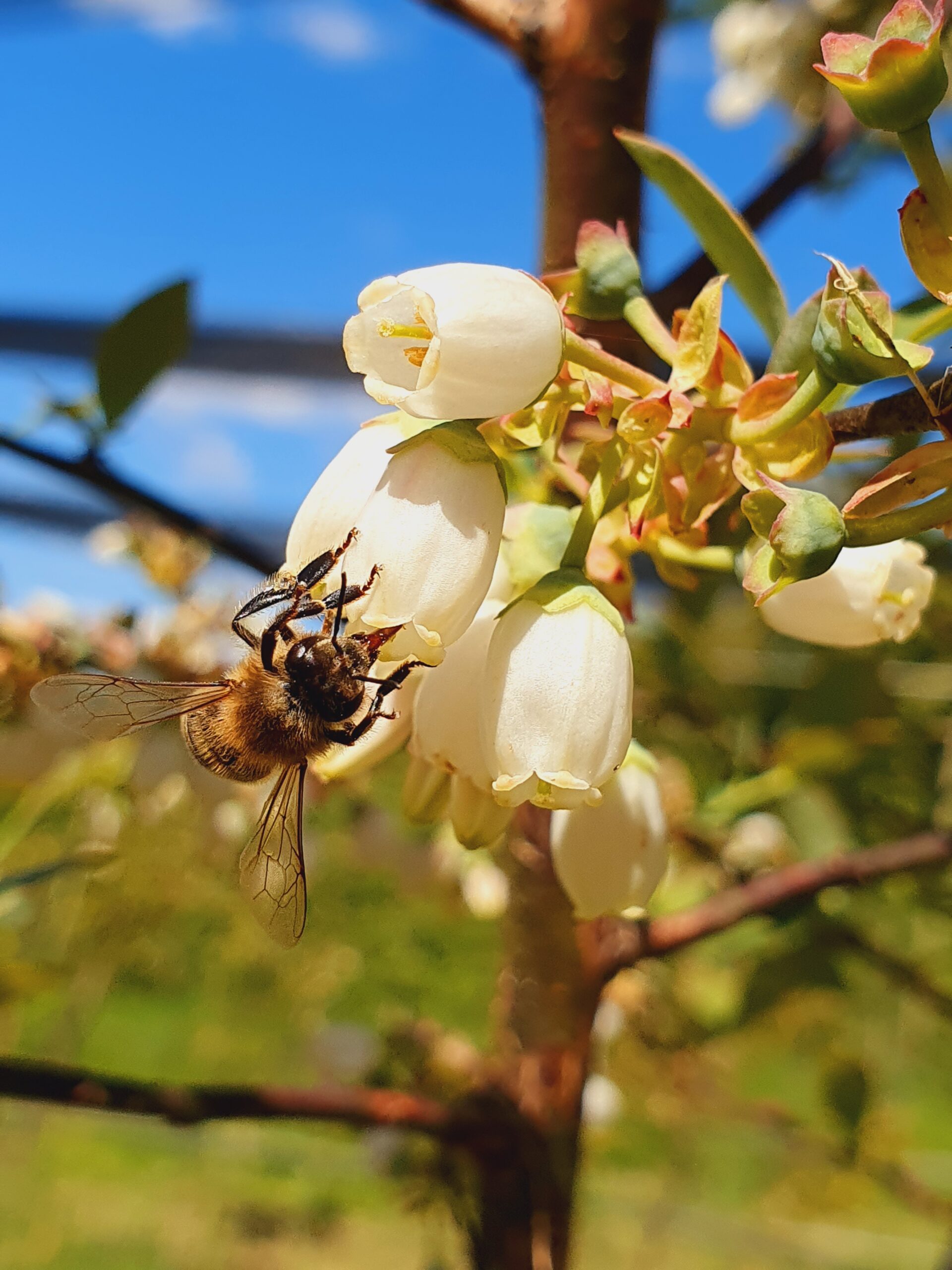
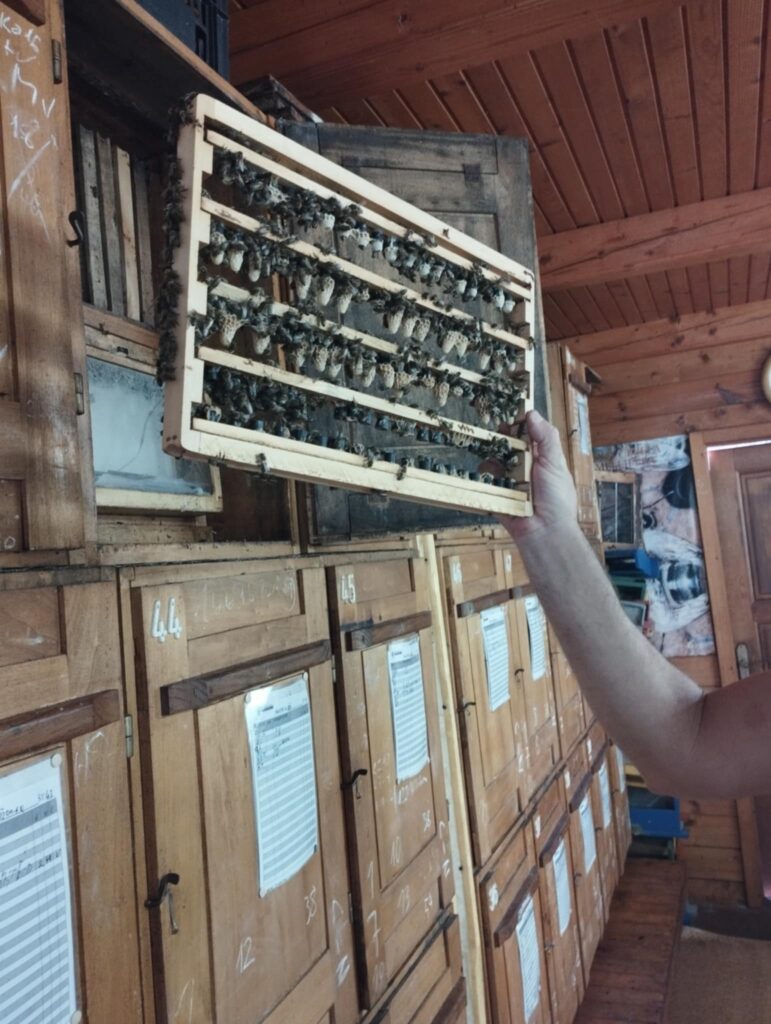
Over the course of five days, participants were introduced to best practices of Slovenian beekeeping, including a visit to Plečnik’s beehive at Ljubljana Castle, and took part in hands-on trainings with experienced experts. The programme covered topics such as:

  • preparing bees for overwintering 🐝,

  • beekeeping techniques with AŽ hives,

  • apipedagogy,

  • bee health,

  • spring development of bee colonies.

In addition to the professional programme, the study visit also included networking, cultural visits, and the discovery of Slovenian cuisine.

The ToT study visit successfully combined theory, practice, and community, contributing to the transfer of knowledge and empowering trainers to share these skills within their local communities.

We are proud that this important work was carried out with the support of the Slovenian Beekeeping Academy and the Agricultural Institute of Slovenia (KIS), as well as with the backing of the Ministry of Foreign and European Affairs of the Republic of Slovenia 🇸🇮.
The project is supported by the Republic of Slovenia within the framework of its international development cooperation and humanitarian aid programme Slovenian Aid, through ITF Enhancing Human Security. 🐝


🐝 Blog: Egyptian Delegation Visits Slovenia – A Deep Dive into Carniolan Bee Breeding, Bee Health and Natural Excellence 🐝

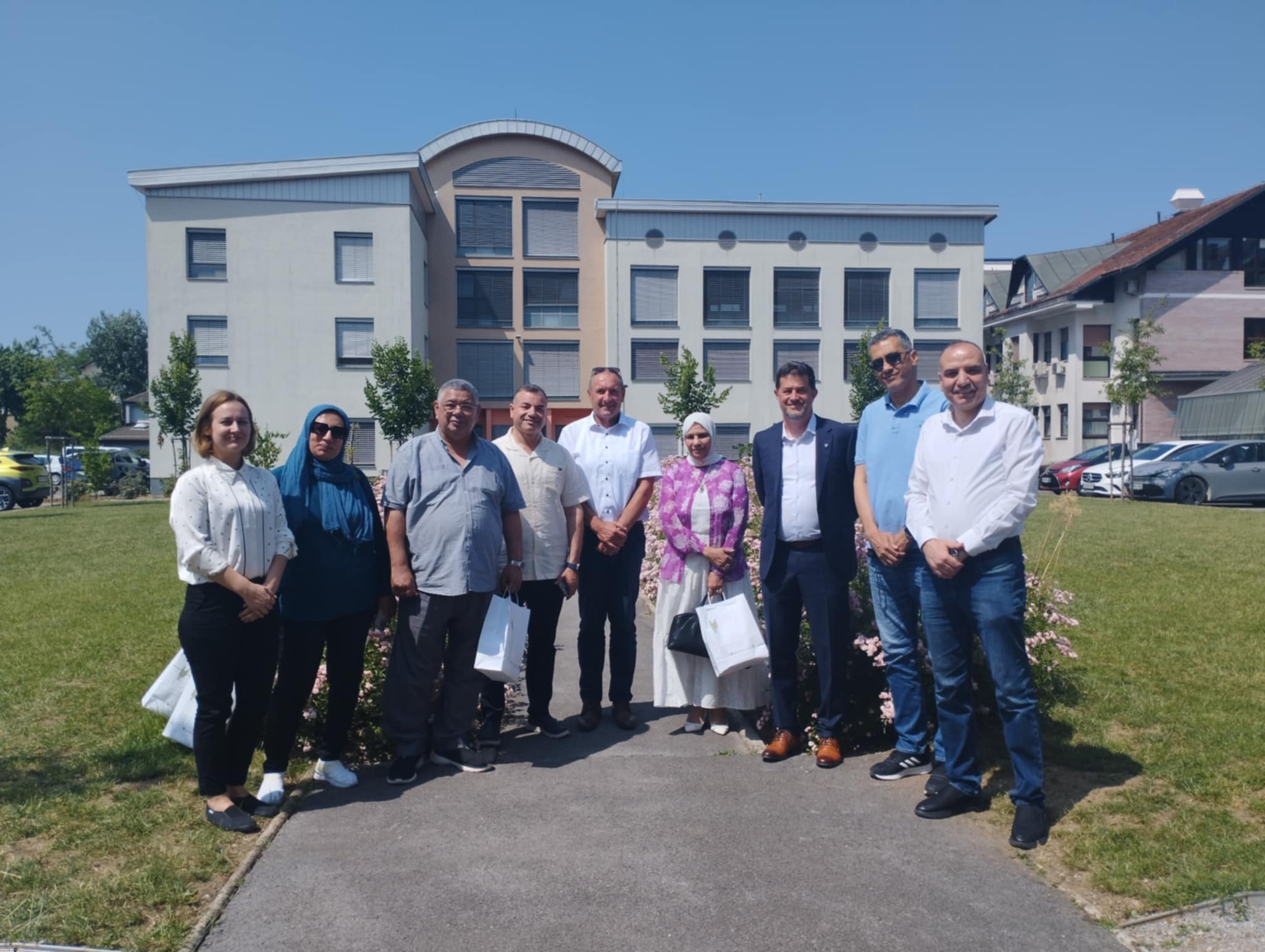
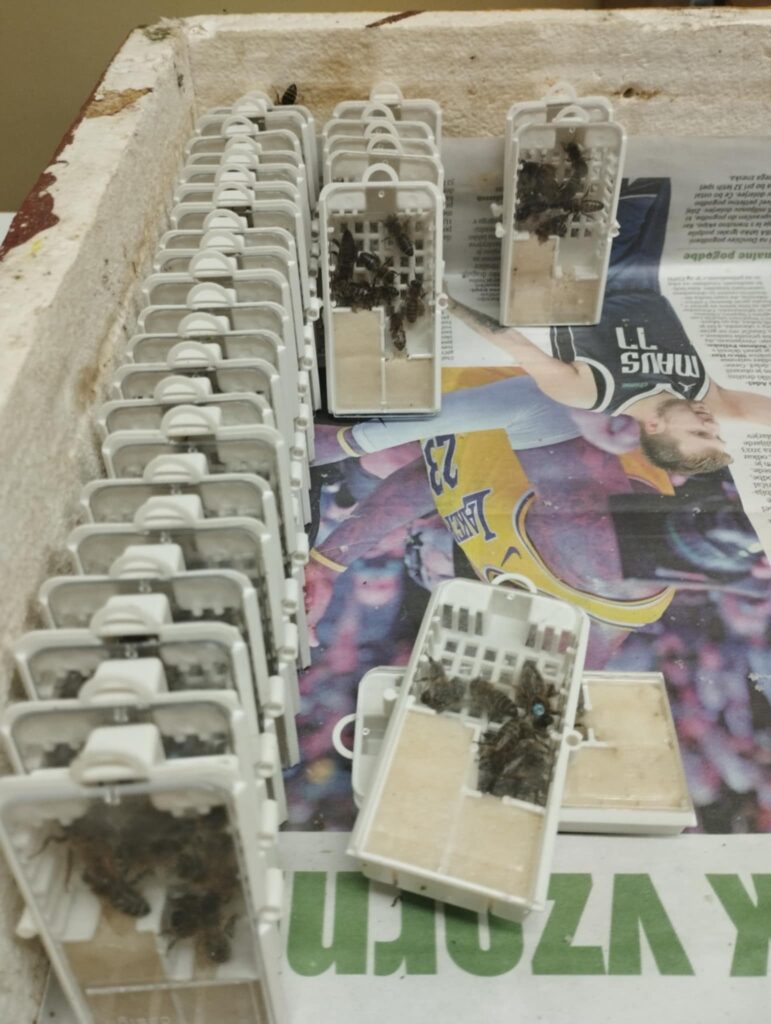
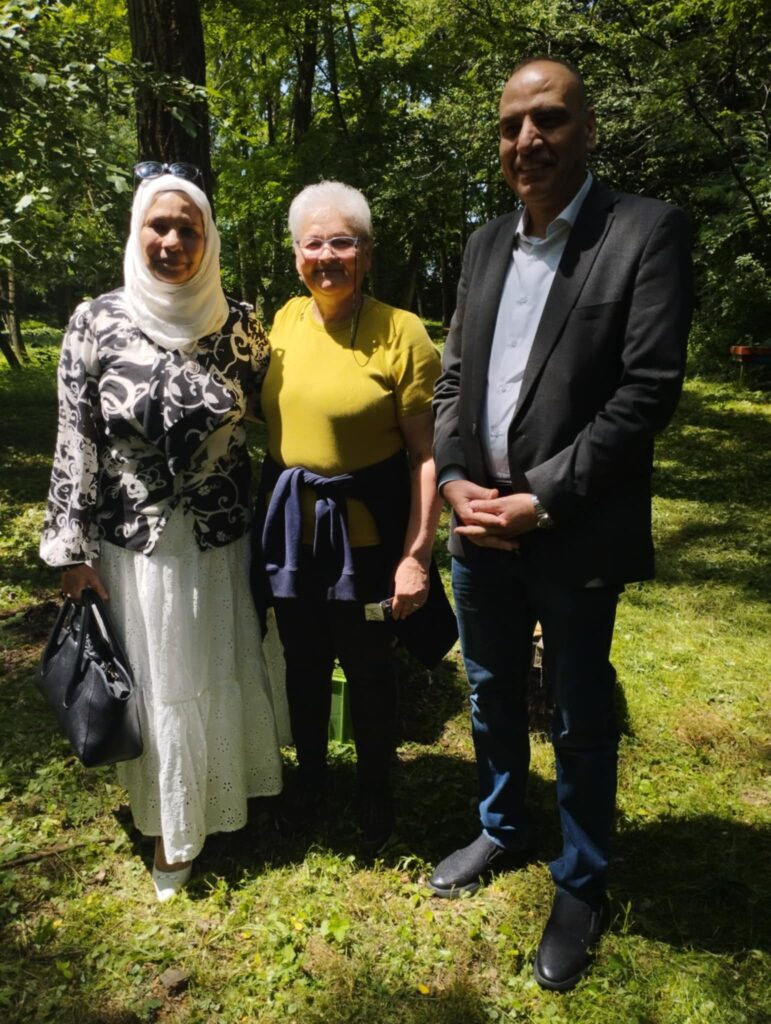
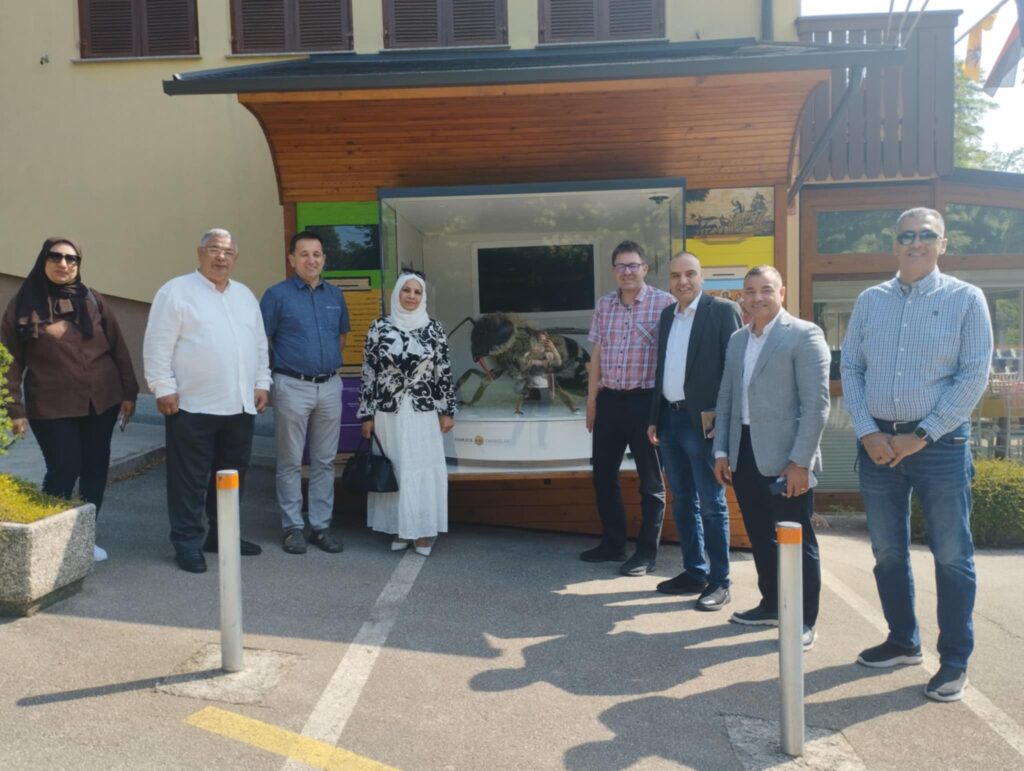
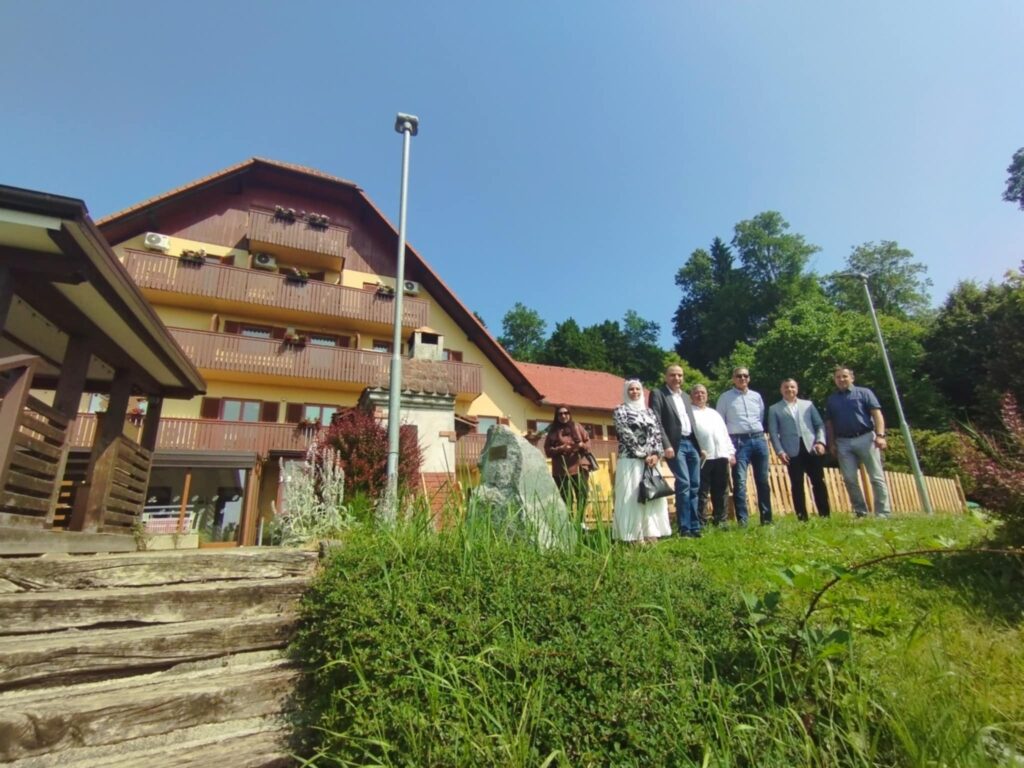
During the week of June 10th, 2025, Slovenia welcomed a distinguished delegation from Egypt, including representatives of the Arab Beekeepers Union and the Agricultural Research Center of Cairo. Their multi-day visit focused on exploring Slovenia’s world-renowned queen breeding system, veterinary support, and the legal protection of the Carniolan bee (Apis mellifera carnica).

📍Day 1 – Slovenian Beekeepers’ Association (ČZS) and National Queen Breeding Program

The visit began at the Slovenian Beekeepers’ Association (ČZS) and the European Beekeeping Association (EBA), where the delegation met:

  • Dr. Peter Kozmus, Head of the National Queen Breeding Program & Vice President of Apimondia

  • Boštjan Noč, President of ČZS and EBA

Slovenia is the first EU country to legally protect its indigenous Carniolan bee, committing itself to its preservation through breeding standards, veterinary care, and national regulations.

🐝 Visits to Queen Breeding Stations: Pislak Bali & Cvet Beekeeping

The delegation also visited:

  • Pislak Bali Beekeeping, known for its breeding of over 450,000 queens, strong scientific approach, and collaboration with international institutes.

  • Cvet Beekeeping, a traditional queen-rearing facility that emphasizes gentleness, purity, and productivity using scientific techniques like controlled mating and selection.

🧪 Day 2 – National Veterinary Institute (NVI) & Visits to Novak & Dremelj

The following day, the group visited the National Veterinary Institute, Slovenia’s official authority responsible for monitoring bee health, diagnostics, and expert education. They met with Dr. Lucija Žvokelj, a specialist in bee medicine and veterinary support.

Later, they visited:

  • Beekeeping Novak, where queen selection is based on cubital index analysis and hygienic behavior tested with the PIN method.

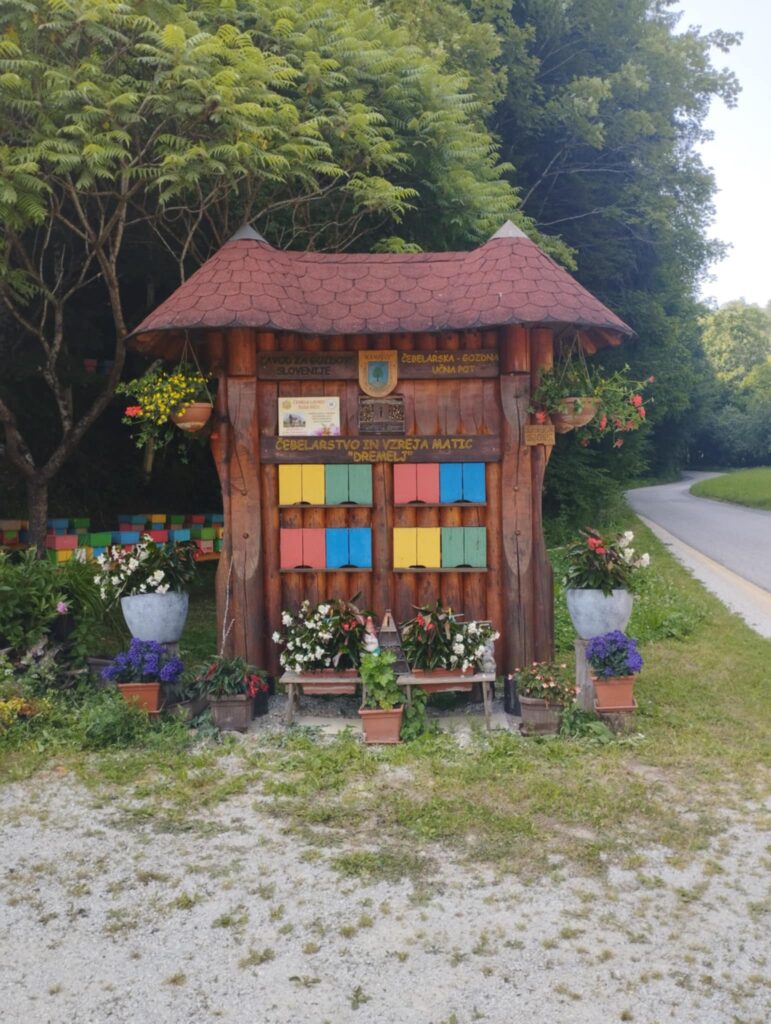
  • Beekeeping Dremelj, a fourth-generation queen breeder exporting 80% of their queens across Europe and Japan.

🌿 Day 3 – Agricultural Institute of Slovenia & Impressions

The final day included a visit to the Agricultural Institute of Slovenia, where the delegation learned more about research support for beekeeping in Slovenia. They were deeply impressed by how green and naturally beautiful Slovenia is – a perfect environment for sustainable beekeeping and the Carniolan bee.

Inclusive Beekeeping and the Power of Honey – From Banja Luka to Plav

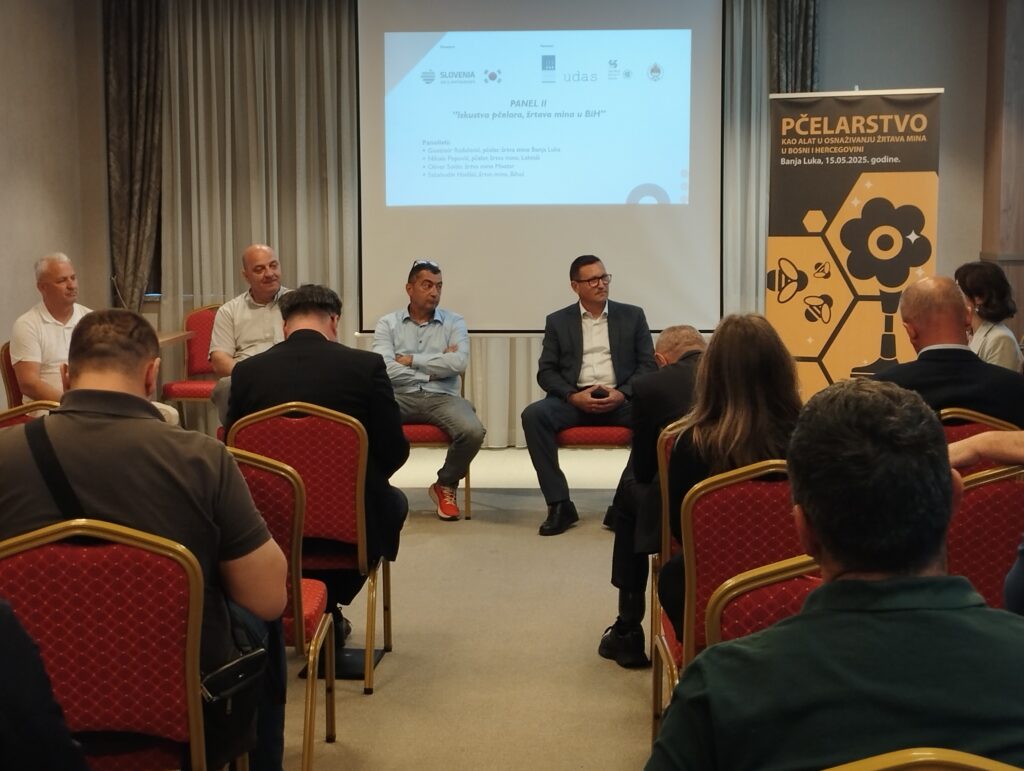
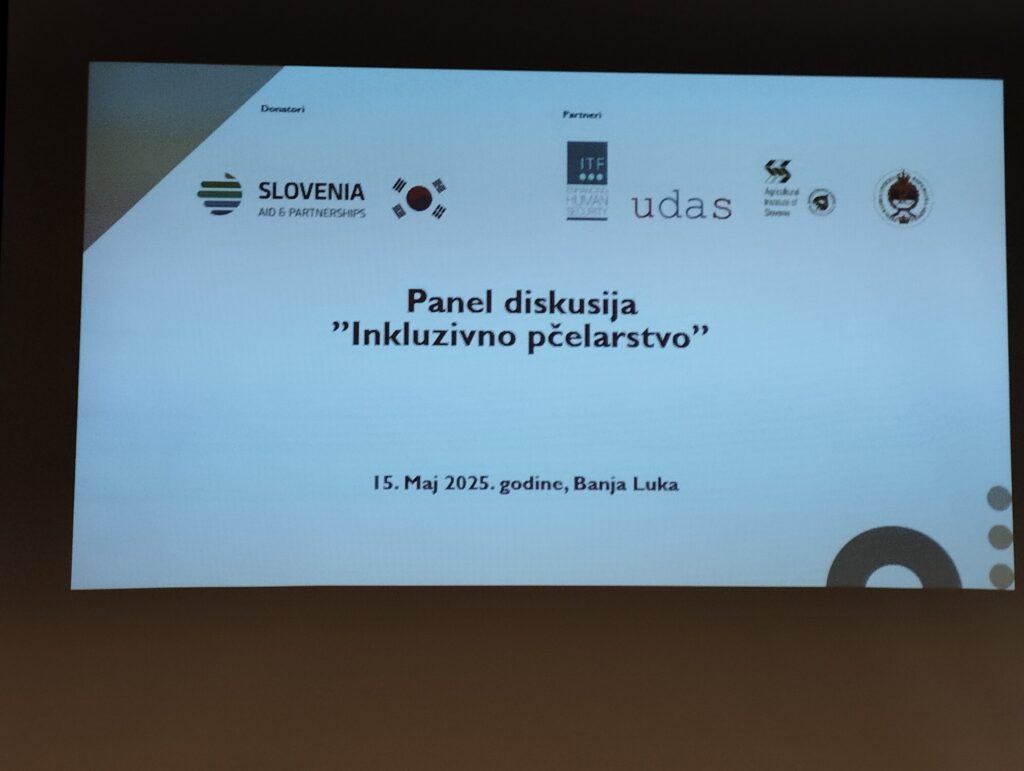
May 15, 2025, Banja Luka, BiH

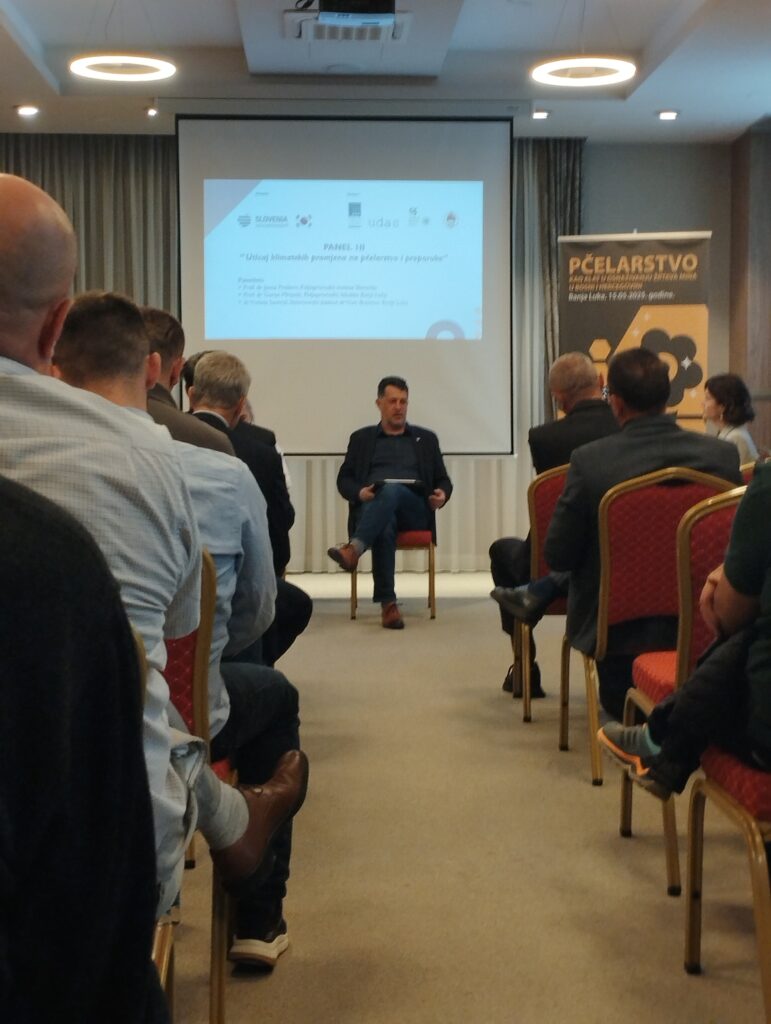
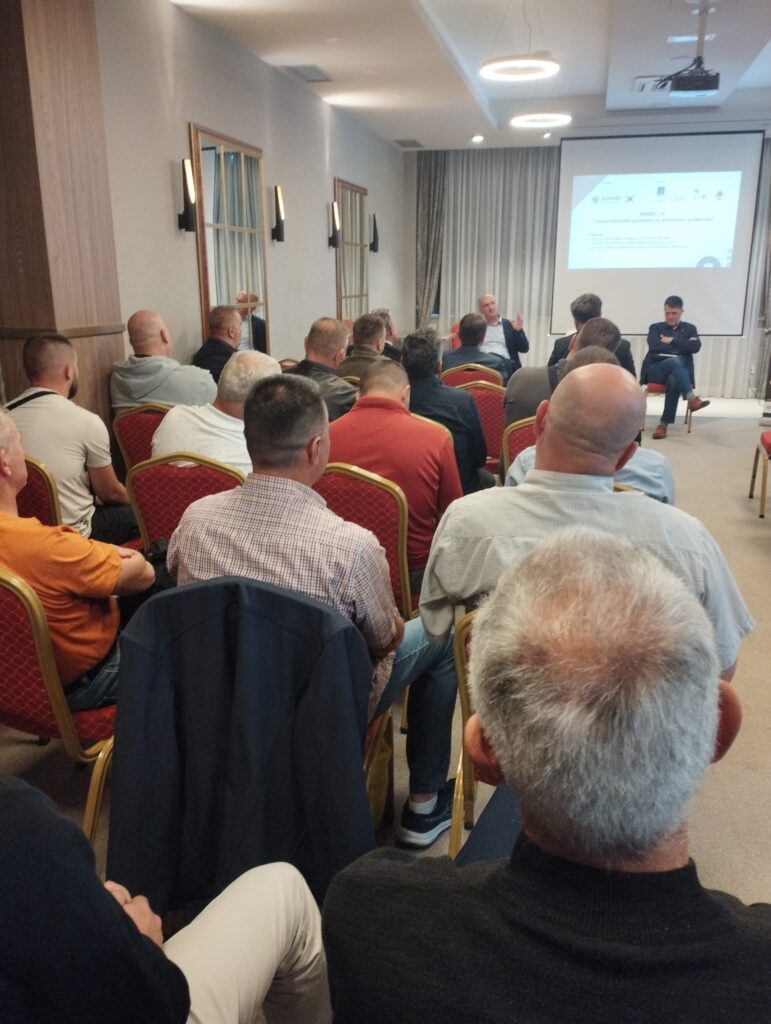
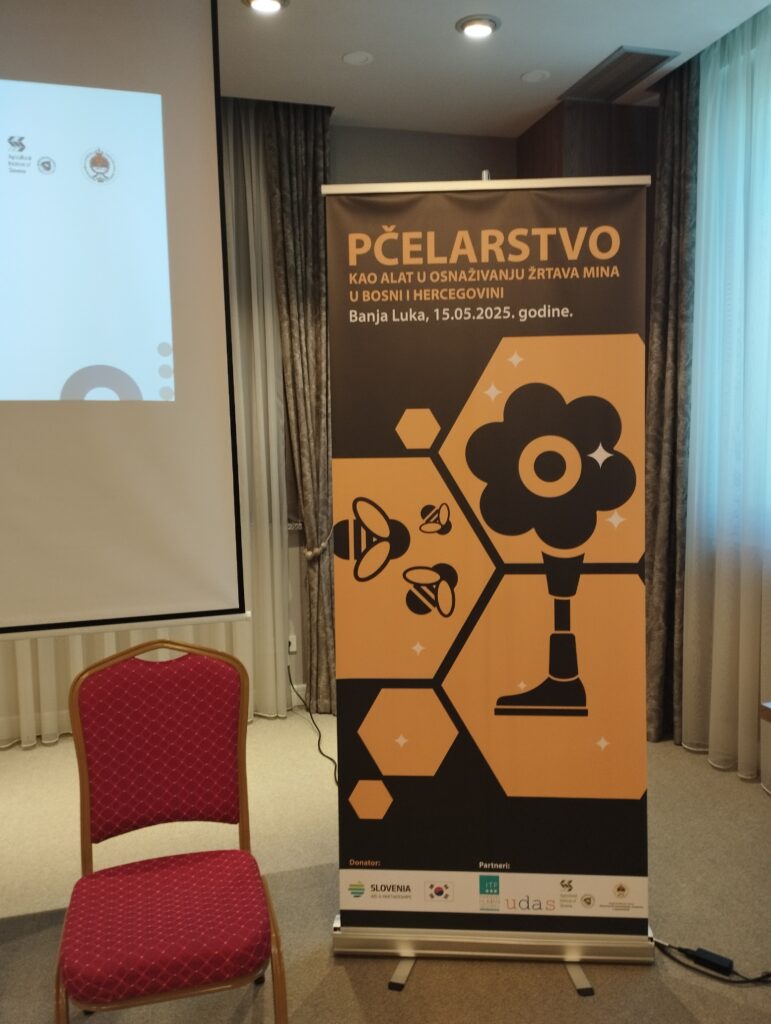
The conference Inclusive Beekeeping took place in Banja Luka as part of the four-year project “Beekeeping as a Tool for Empowering Mine Victims in BiH”, implemented by the UDAS Amputee Organization, ITF Slovenia, and the Beekeeping Academy of Slovenia – Agricultural Institute of Slovenia, with support from the Slovenian Ministry of Foreign and European Affairs and the Government of Republika Srpska.

The event gathered 45 participants – representatives of institutions, organizations, and beekeepers with and without disabilities. Discussions took place in three key panels:

  • Regional Cooperation and Institutional Support
  • Experiences of Beekeepers – Mine Victims in BiH
  • The Impact of Climate Change on Beekeeping

Beekeeping was reaffirmed as a tool of empowerment, healing, and income generation. Through moving personal stories, participants shared how beekeeping helped them find peace, purpose, and new livelihoods.

Speakers and experts included:

  • Tomaž Lovrenčič, Director of ITF Slovenia
  • Damijan Sedar, Slovenian Ambassador to BiH
  • Goran Bursać, Assistant Minister of Agriculture Forestry and Water Management of Republika Srpska
  • Prof. Dr. Goran Mirjanić, Agricultural Faculty Banja Luka
  • Prof. Andrej Simončič, Ph.D., Director of the Agricultural Institute of Slovenia
  • Doc. Dr. Janez Prešern, Agricultural Institute of Slovenia
  • Dr. Violeta Santrač, Veterinary Institute Dr. Vaso Butozan, Banja Luka

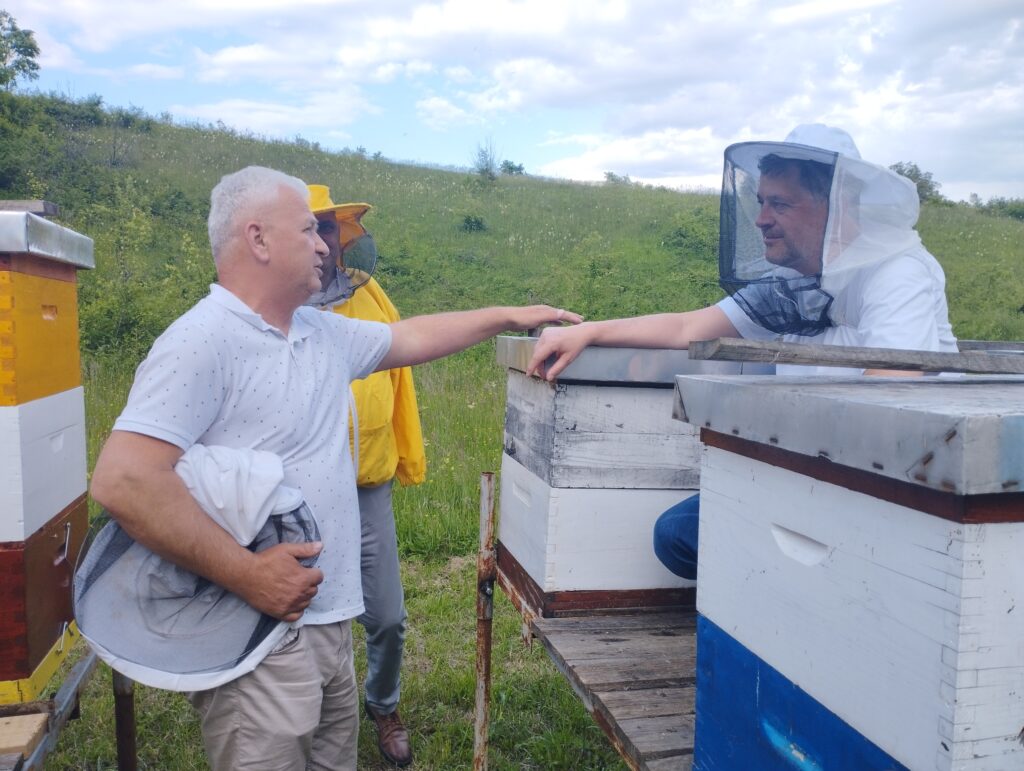
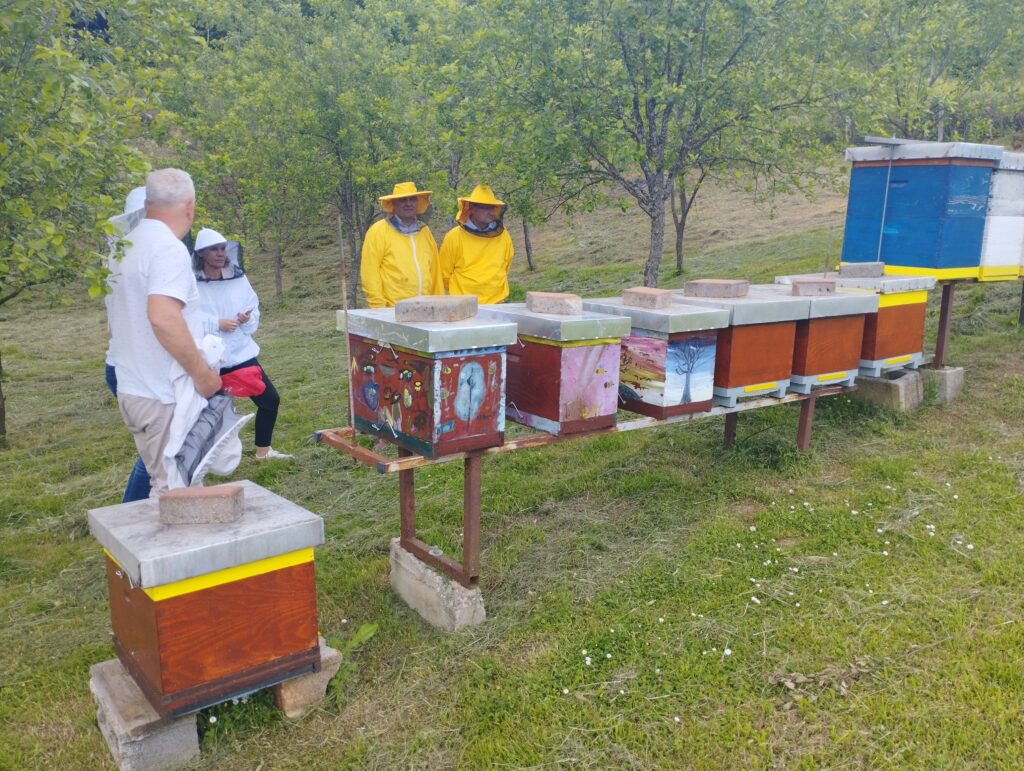
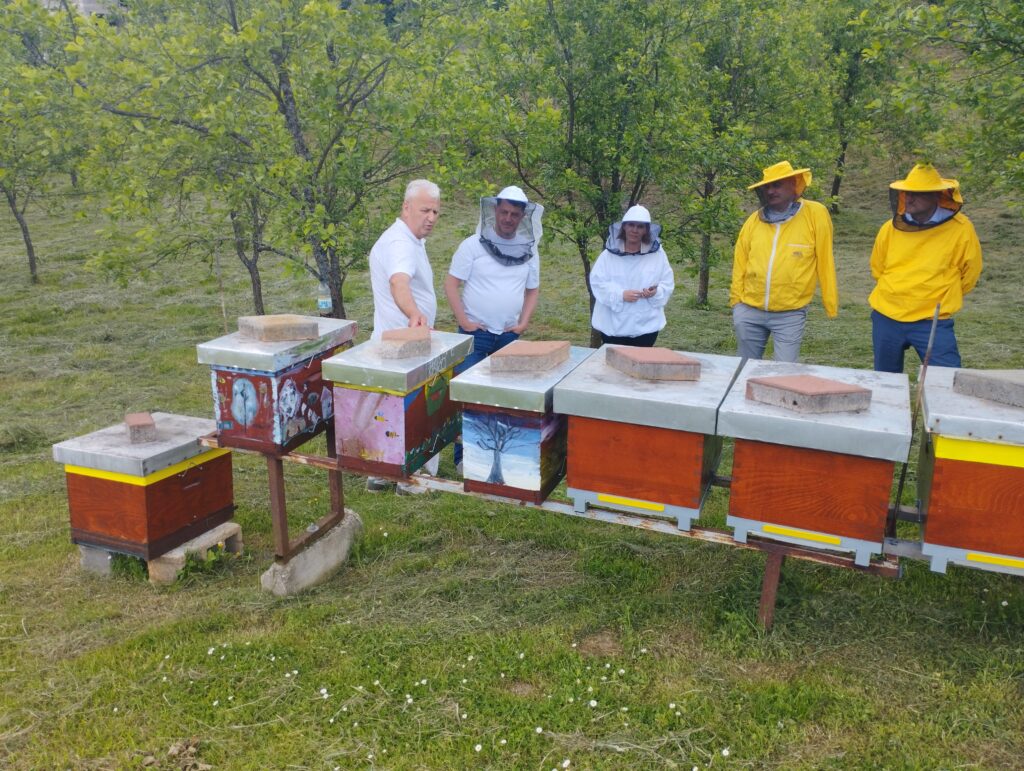
We also visited beekeepers Gostimir Radulović (LR hives) and Nikola Popović (AŽ hives), long-term project participants, to explore their beehives and taste their locally produced honey.

May 20, 2025, Plav, Montenegro

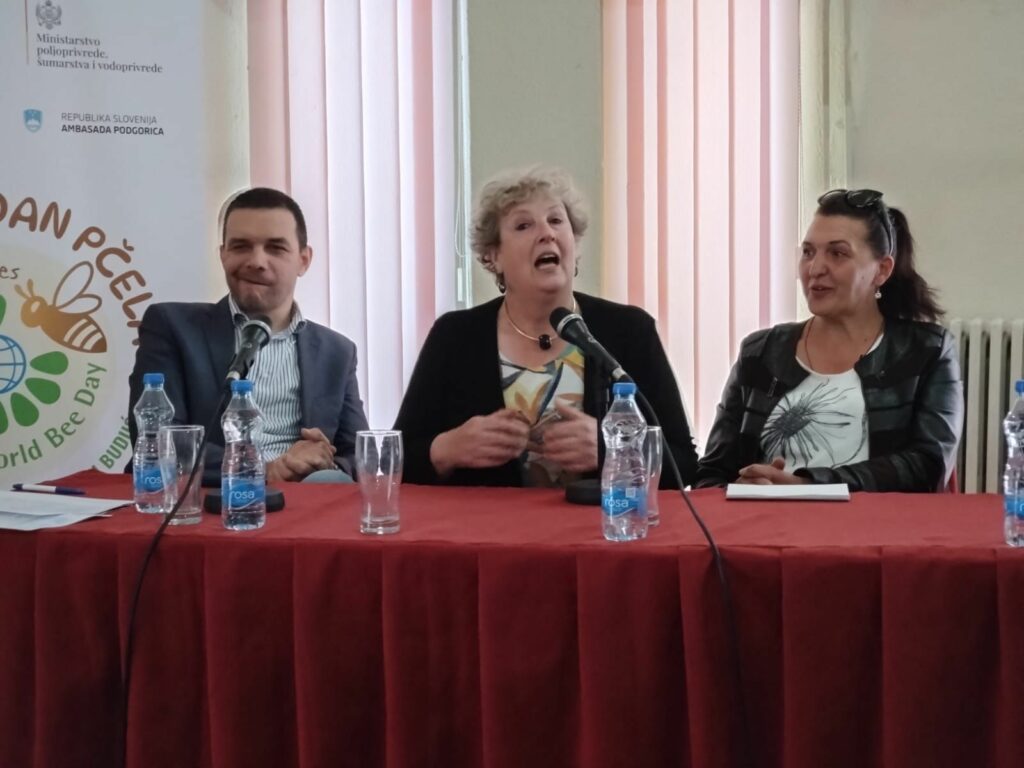
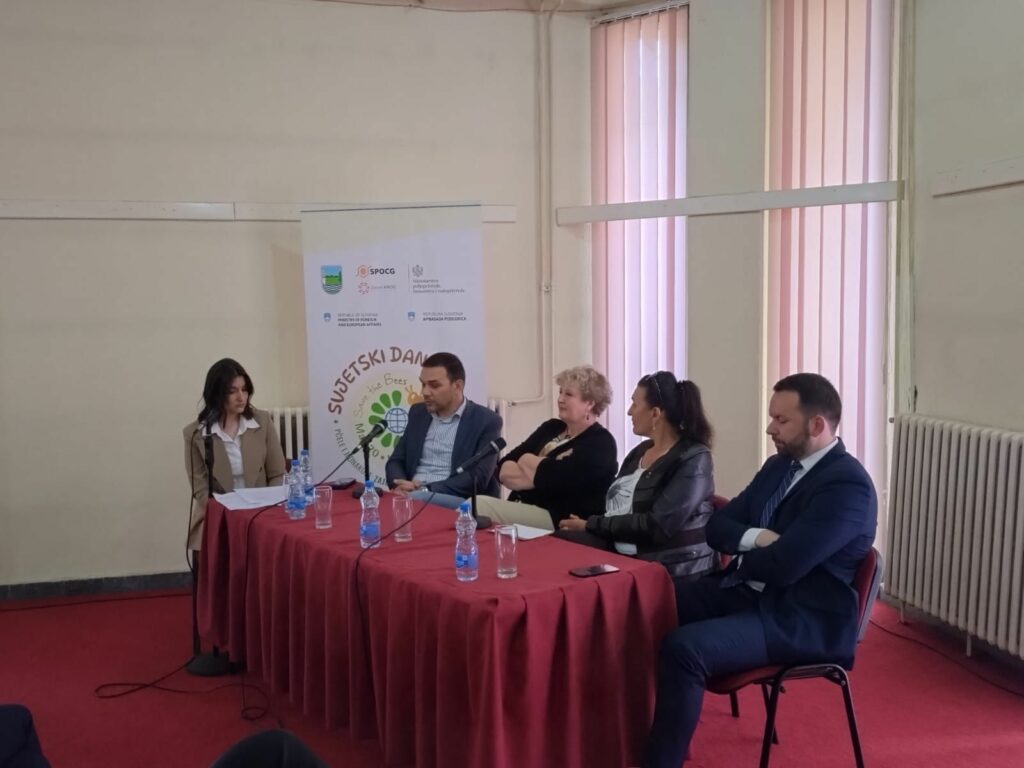
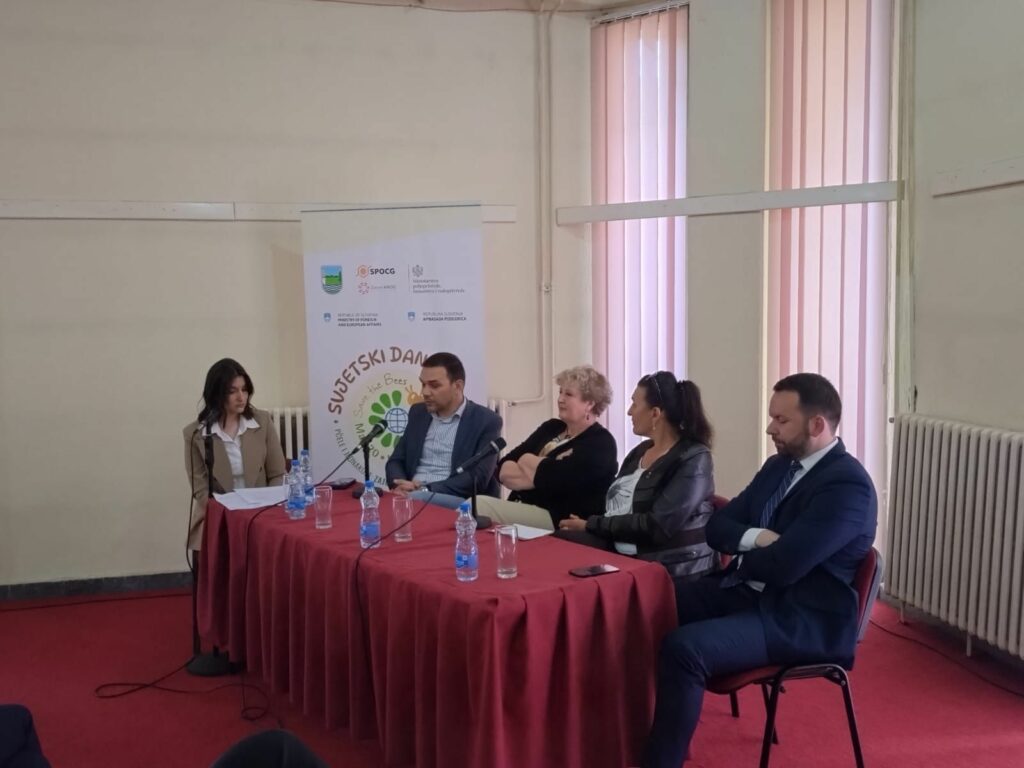
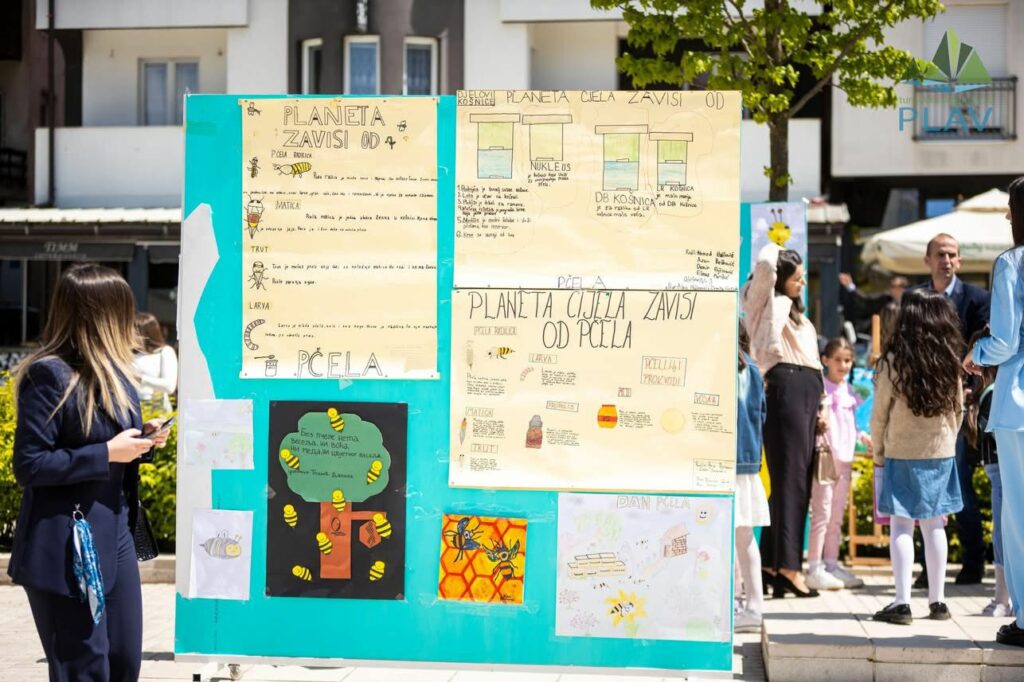
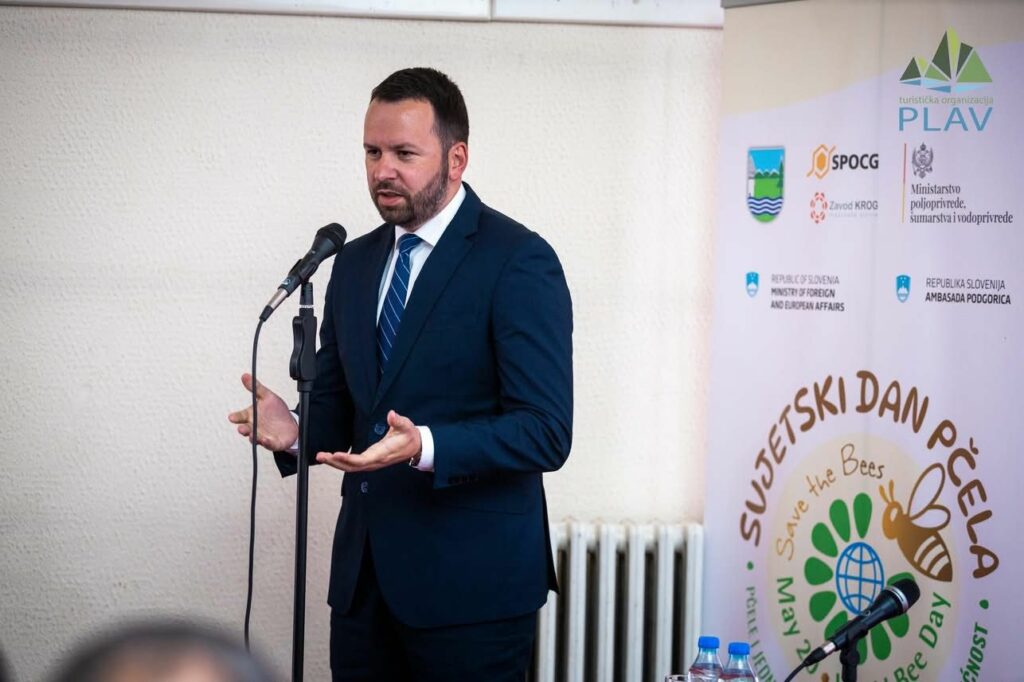
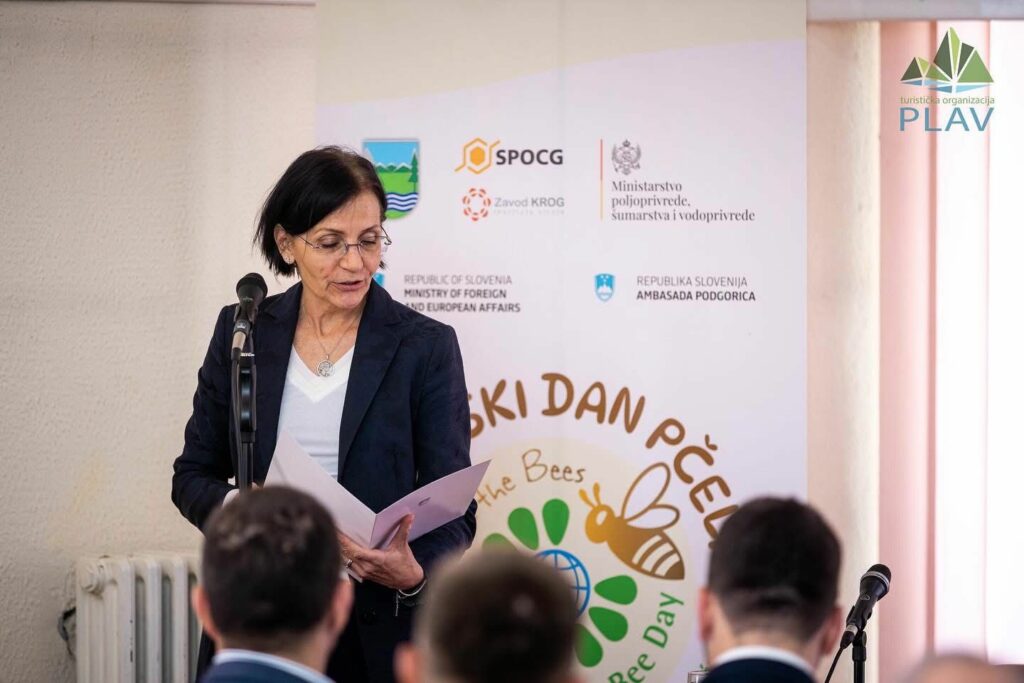
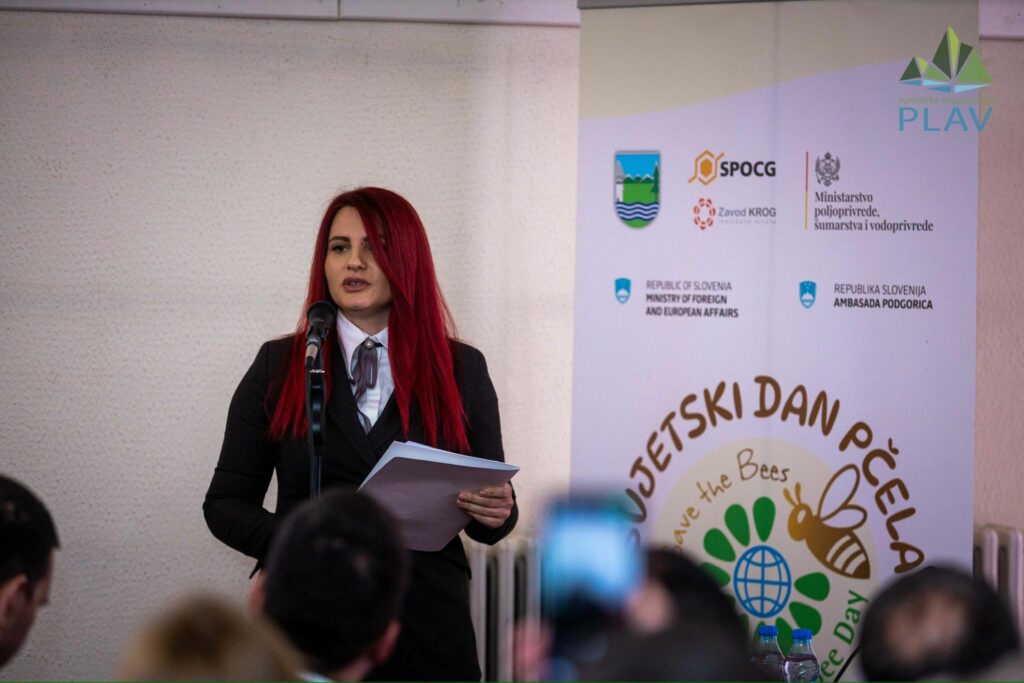
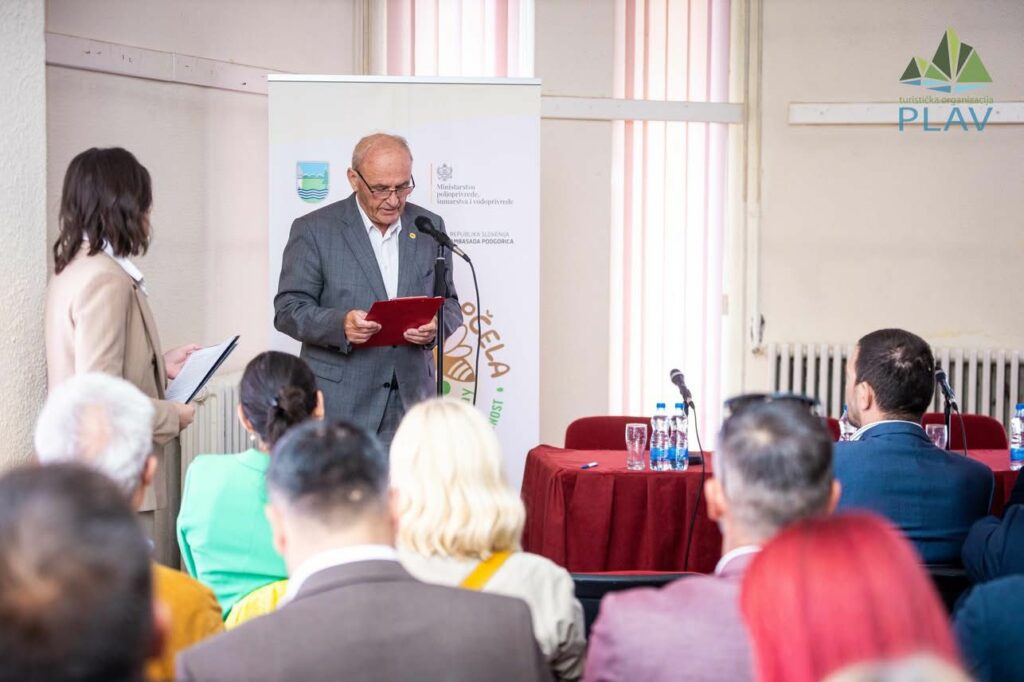
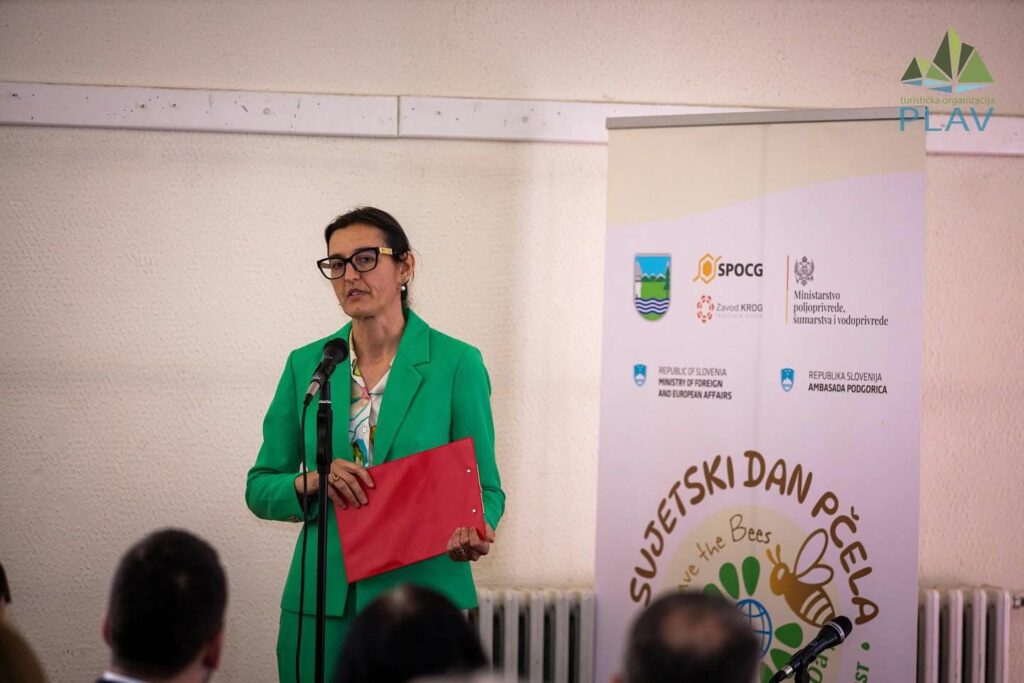
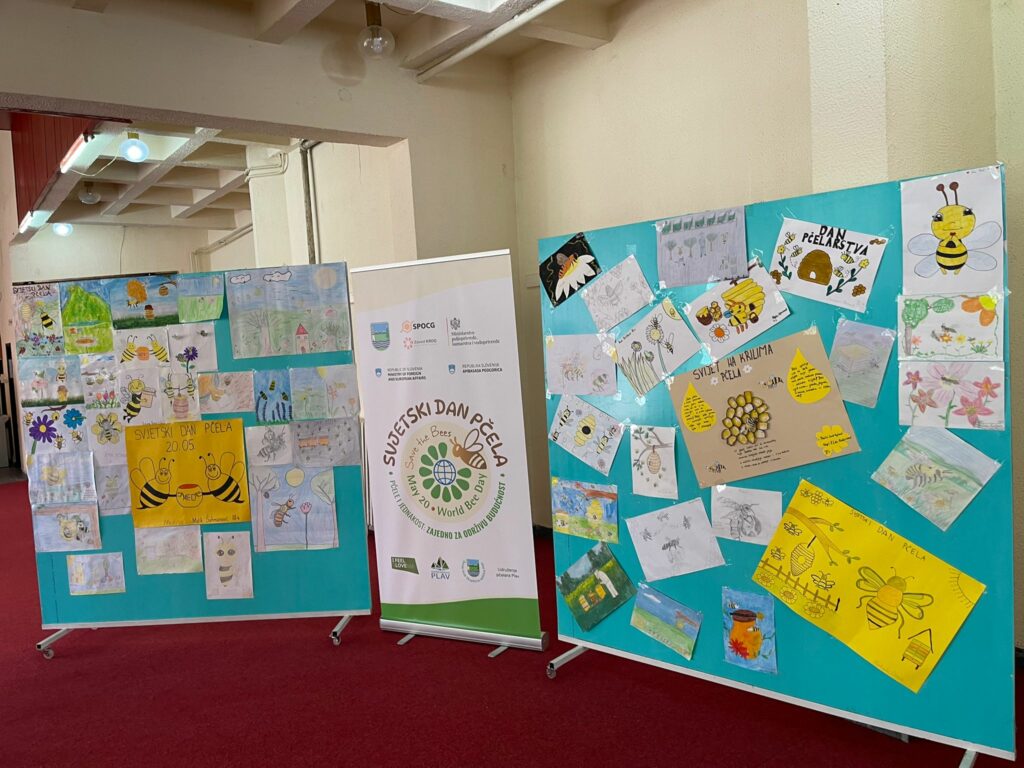
On World Bee Day, Plav hosted “Women and Beekeeping for a Sustainable Future”, celebrating pollinators and empowering women in rural development.

The event was jointly organized by:
Zavod Krog (Slovenia), Embassy of the Republic of Slovenia in Montenegro, Ministry of Agriculture, Forestry and Water Management of Montenegro, Beekeeping Association of Montenegro, Municipality of Plav, Women’s City Council of Plav, Tourism Organization of Plav, and Beekeeping Association of Plav. Zavod Krog played a central role in coordinating the event.

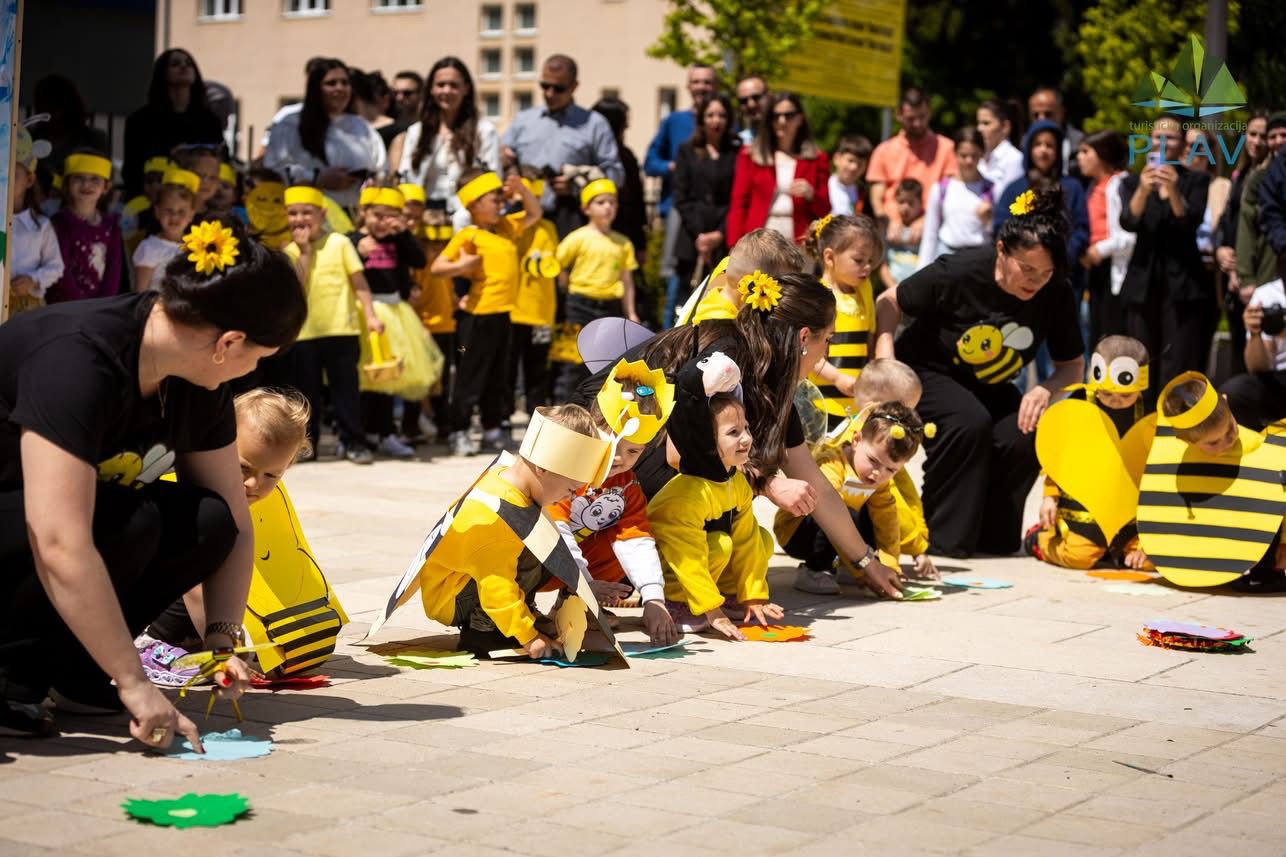
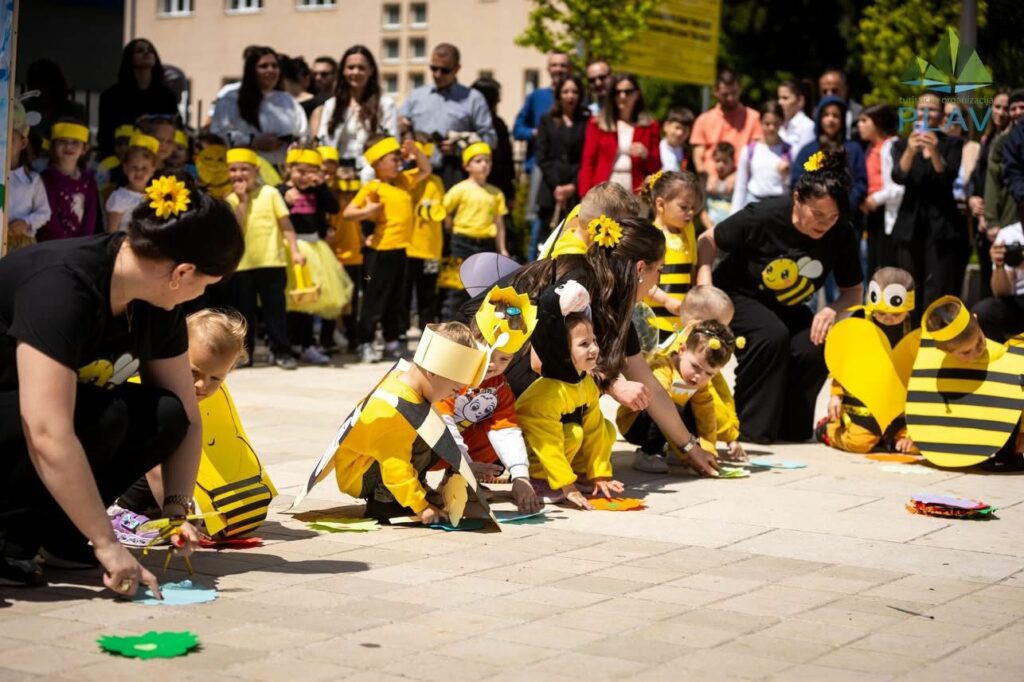
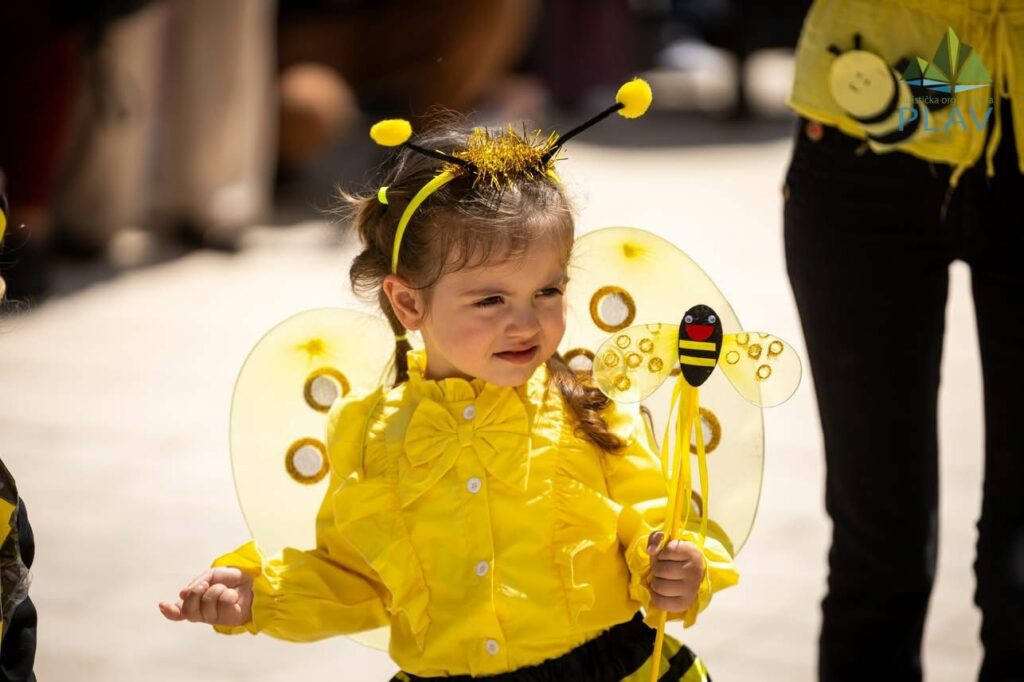
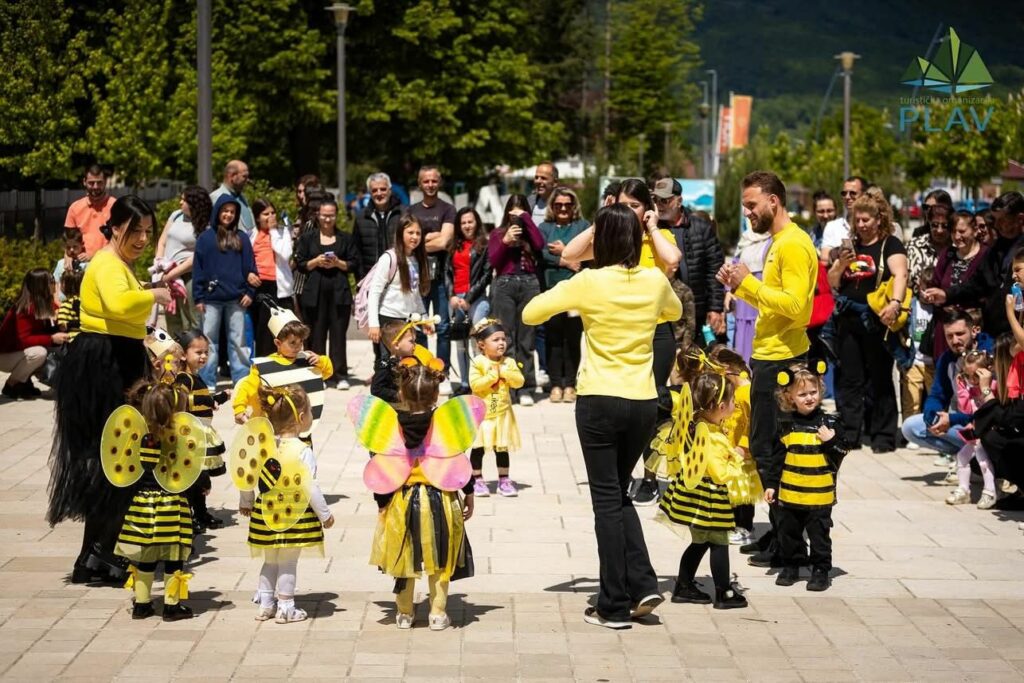
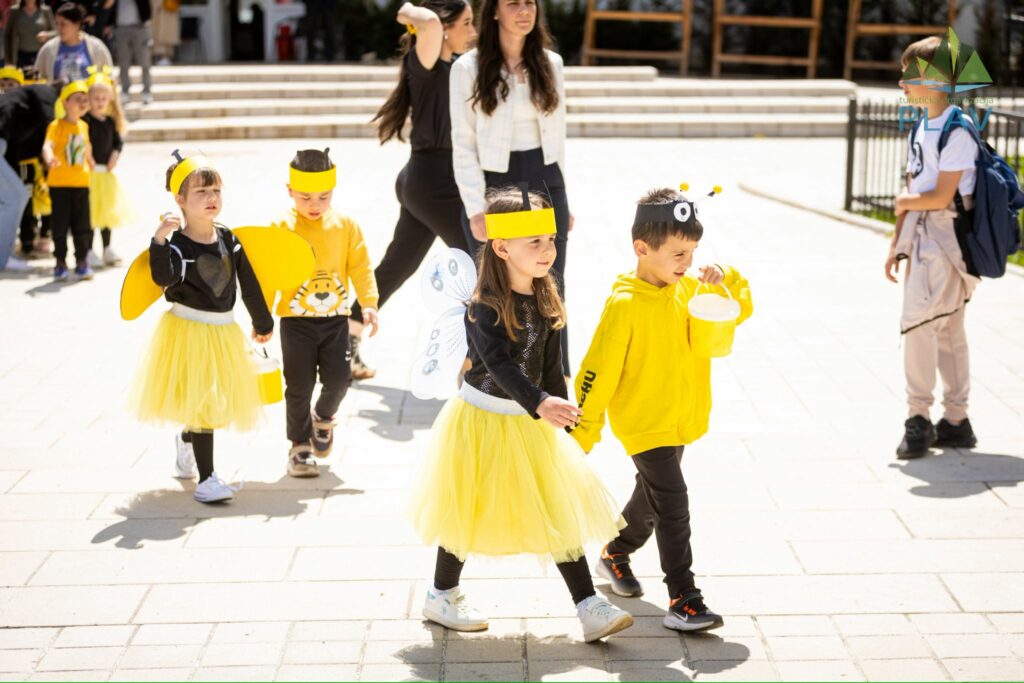
The day began with performances by children dressed as bees, followed by a honey breakfast. The main program featured two panels:

  • Apitourism
  • Women’s Involvement in Beekeeping

And the presentation: “Origin and quality of honey in Montenegro”.

Key speakers included:

  • Tanja Arih Korošec, Director of ApiRoutes-Apiturizem
  • Marija Sivec, professional beekeeper from Slovenia with 28 years of experience
  • Valentina Cvjetković, Beekeeping Academy of Slovenia – Agricultural Institute of Slovenia
  • Ratko Bataković, Network for Rural Development
  • Danijela Babović, beekeeper
  • Miroslav Cimbaljević, Director of the Directorate for Agriculture at the Ministry of Agriculture, Forestry and Water Management of Montenegro
  • Nihad Canović, Mayor of Plav

The event highlighted the untapped potential of apitourism, women’s entrepreneurship, and knowledge-sharing between Slovenia and Montenegro. With initiatives like the local api-chamber in Plav already in place, the region is paving the way for a sustainable, inclusive beekeeping future.

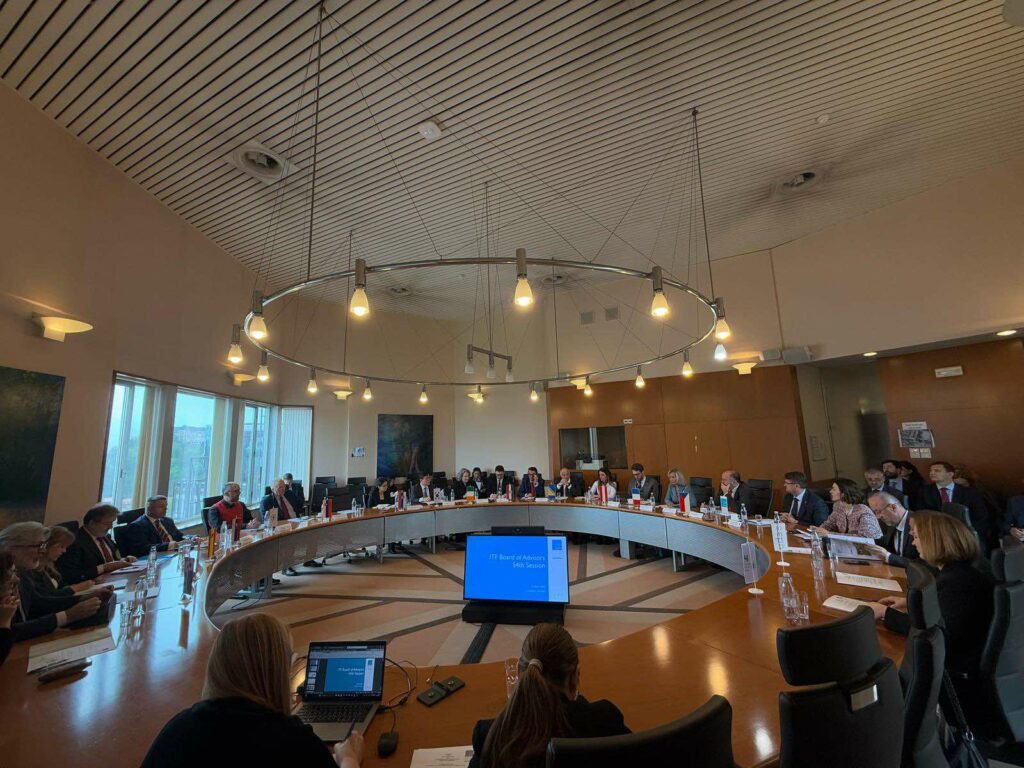
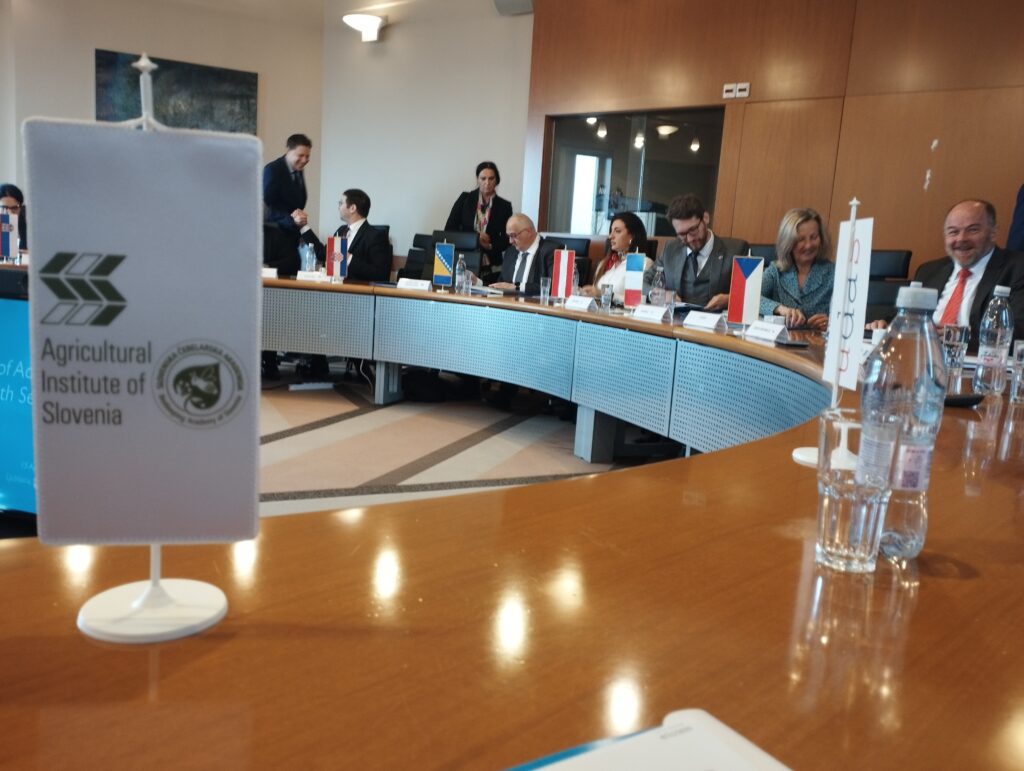
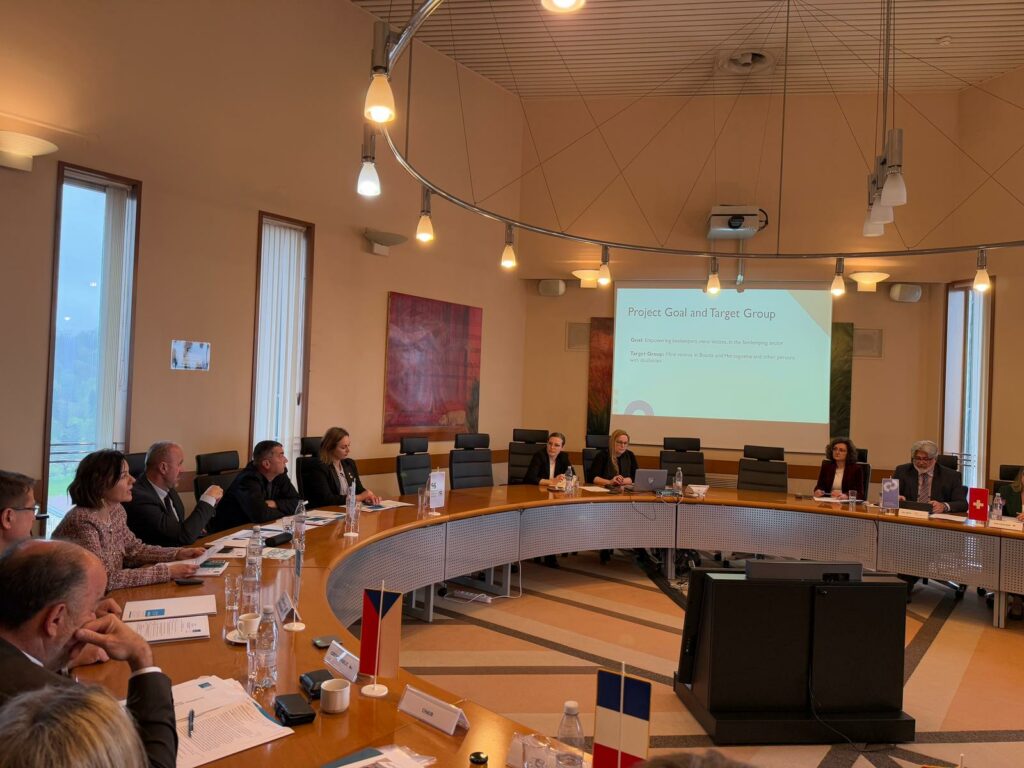
🐝: Honey Breakfast – 54th Session of the ITF Board of Advisors

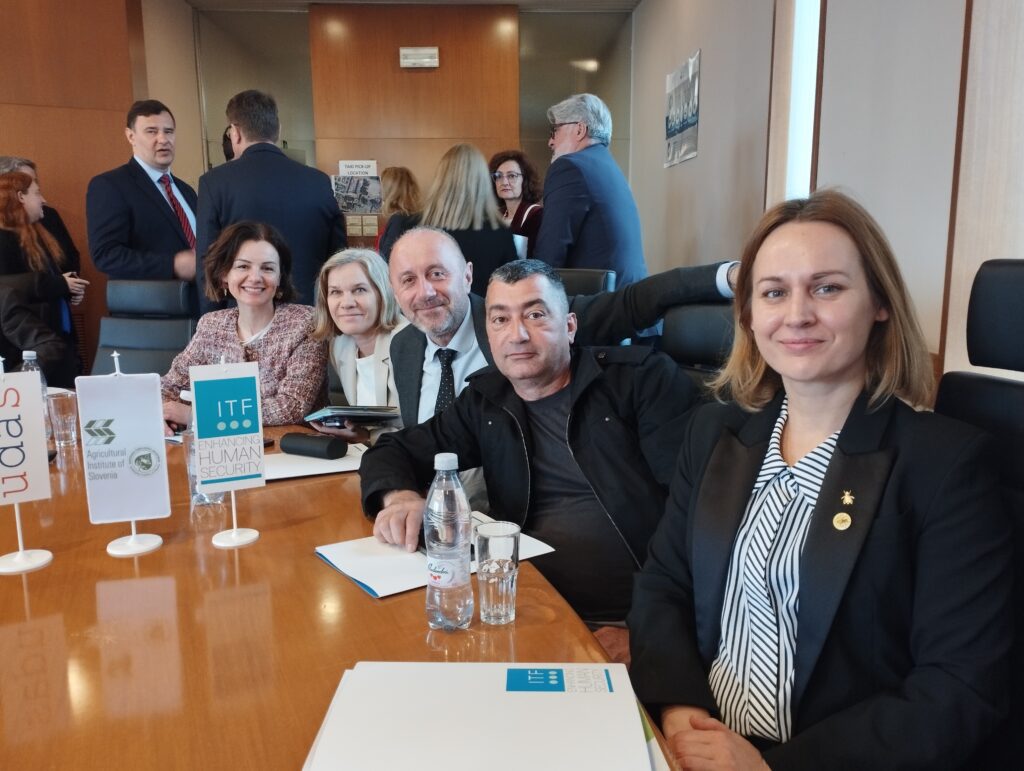
On Tuesday, April 15, 2024, ITF – Enhancing Human Security held the 54th session of its Board of Advisors, opening the day with a symbolic and heartfelt Honey Breakfast. The event highlighted the importance of beekeeping as a tool for recovery and empowerment of mine victims.

A special part of the session was the testimony of representatives from UDAS (BiH), who shared how beekeeping provides meaningful livelihoods for mine victims.

We are proud that the Beekeeping Academy of Slovenia, Agricultural Institute of Slovenia (KIS) plays a vital role in this project. This work is made possible with the generous support of the Slovenian Ministry of Foreign and European Affairs and the Ministry of Foreign Affairs of the Republic of Korea.

The session also marked a leadership transition, as Ambassador Jiří Kuděla of the Czech Republic took over as Chair of the Board from Ambassador Florence Levy of France. We extend our sincere gratitude to Amb. Levy for her committed leadership and support.

The event served as a powerful reminder that collaboration, solidarity, and innovative approaches like beekeeping can bring lasting change to the lives of people affected by conflict around the world.

Empowering Women Beekeepers in Zambia: A Step Toward Positive Change 🐝

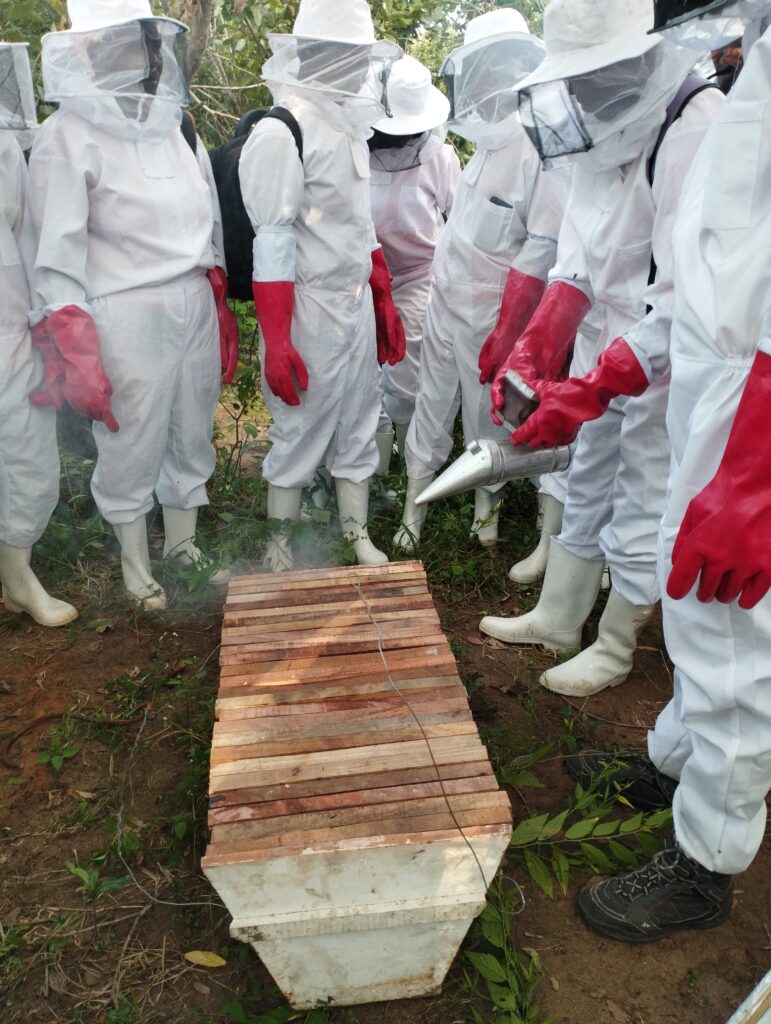
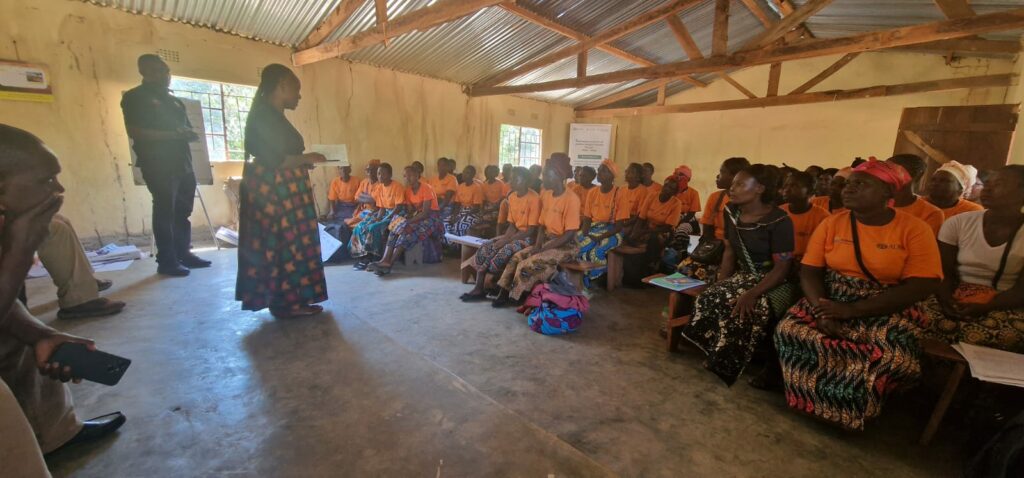
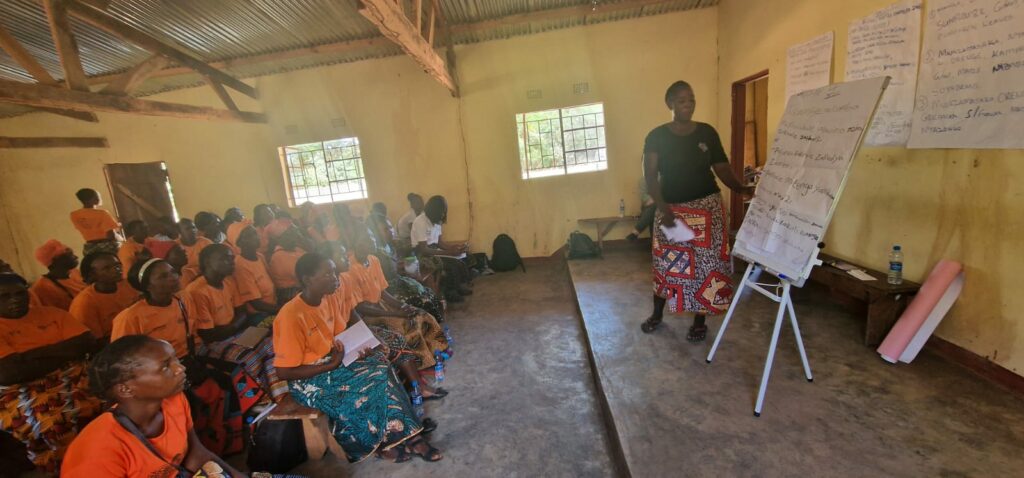
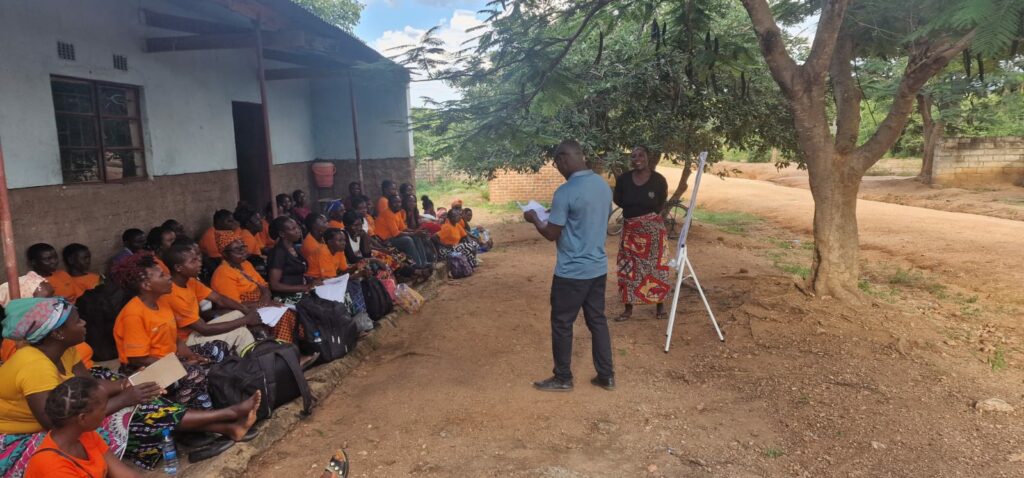
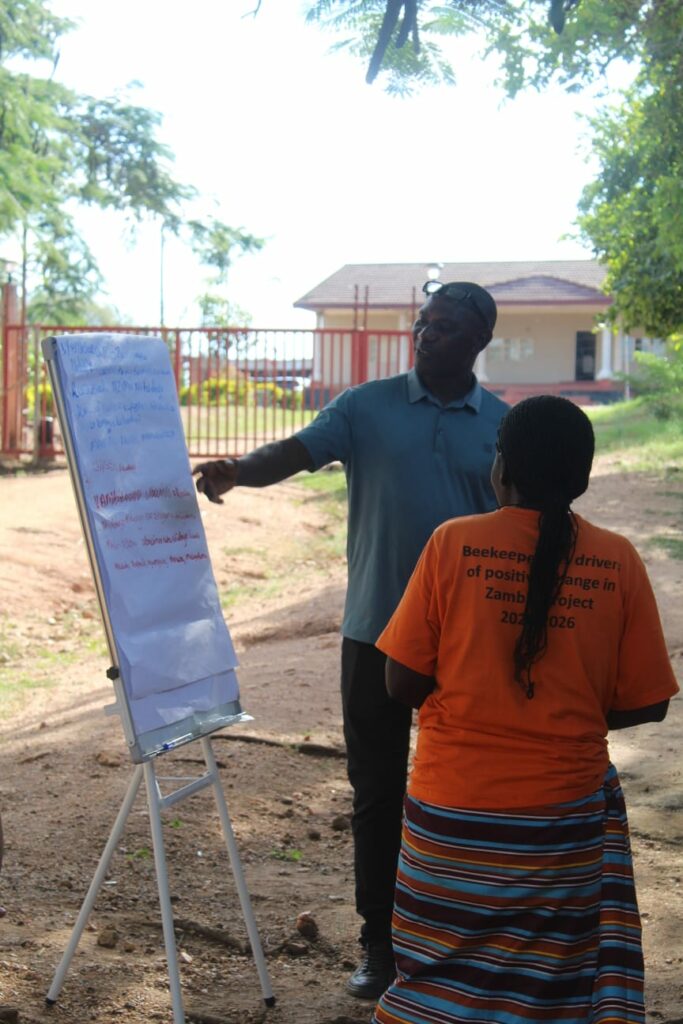
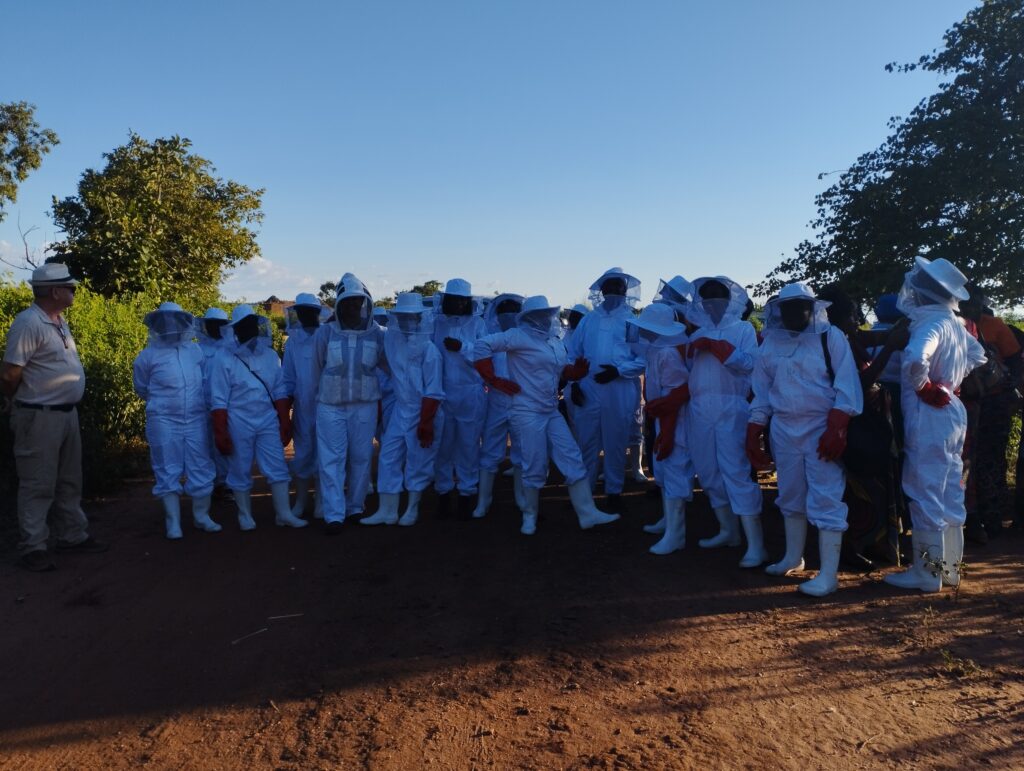
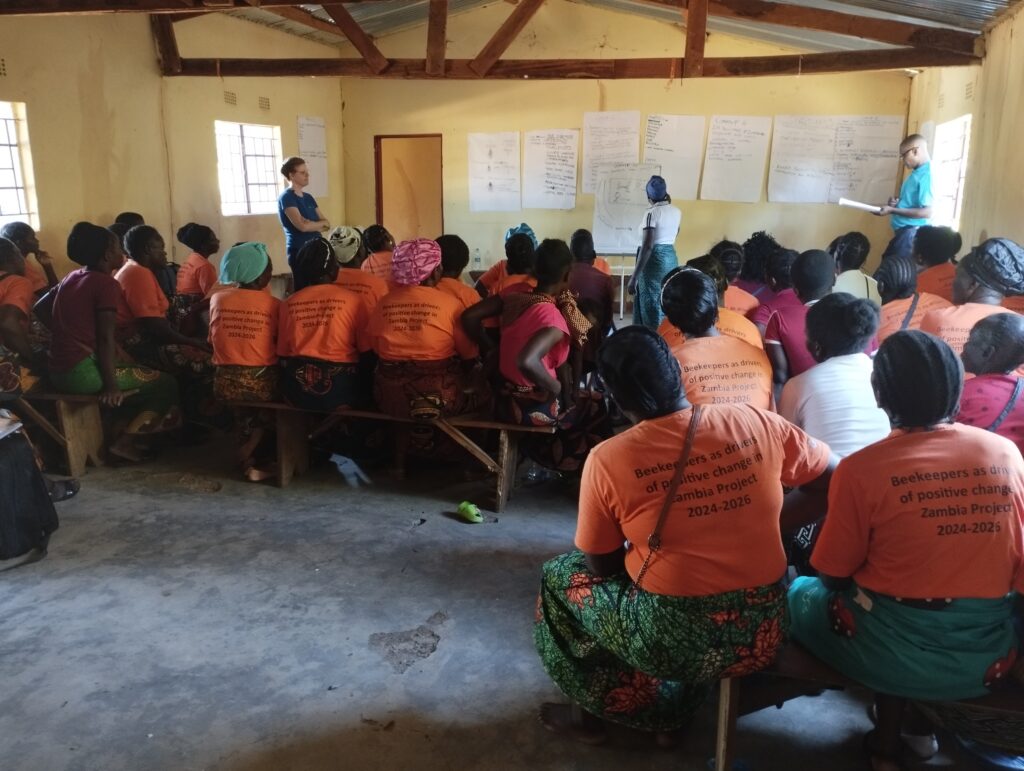
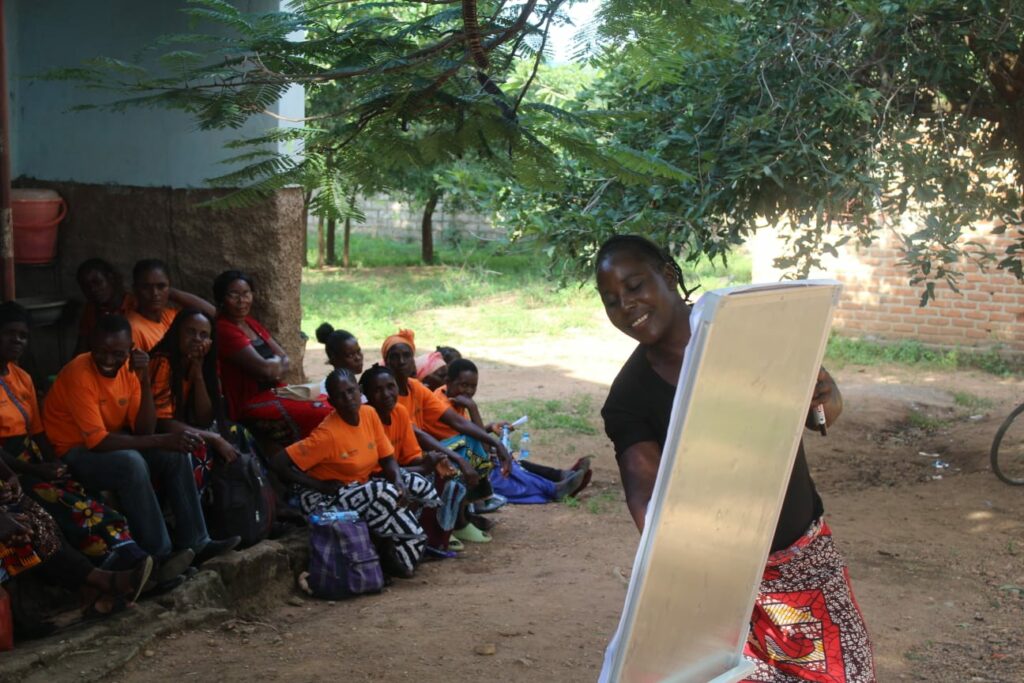
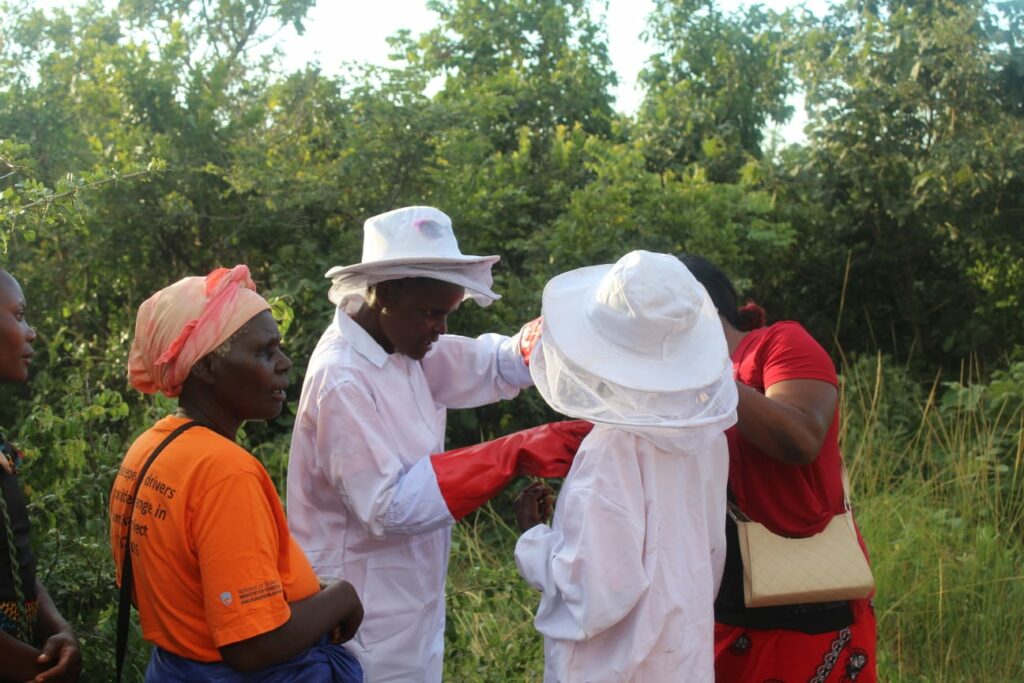
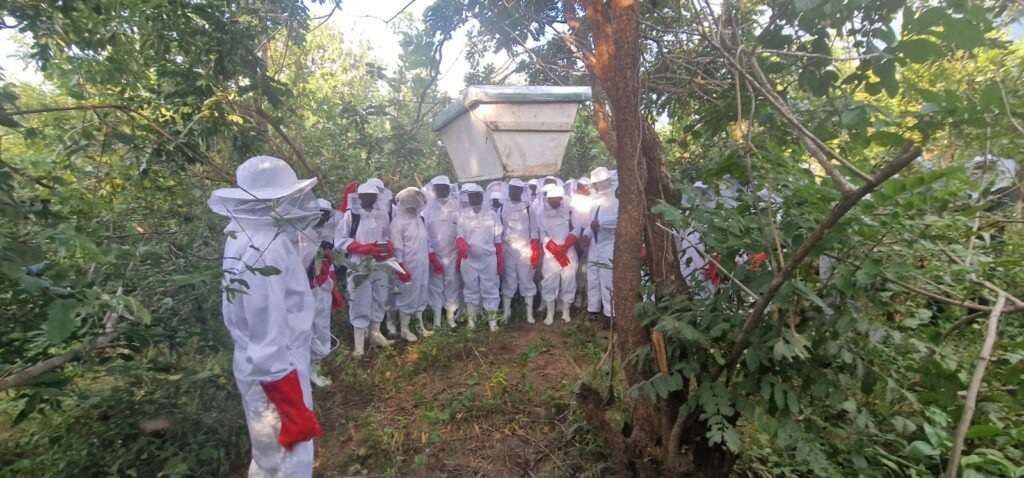
In early April 2025, a field monitoring event took place in Lusangazi district in Zambia, marking a significant milestone in our ongoing project “(Women) Beekeepers as Drivers of Positive Change.” This initiative is all about empowering women beekeepers, and this event highlighted the strides we’ve made in improving beekeeping techniques and promoting sustainable practices. 👩‍🌾

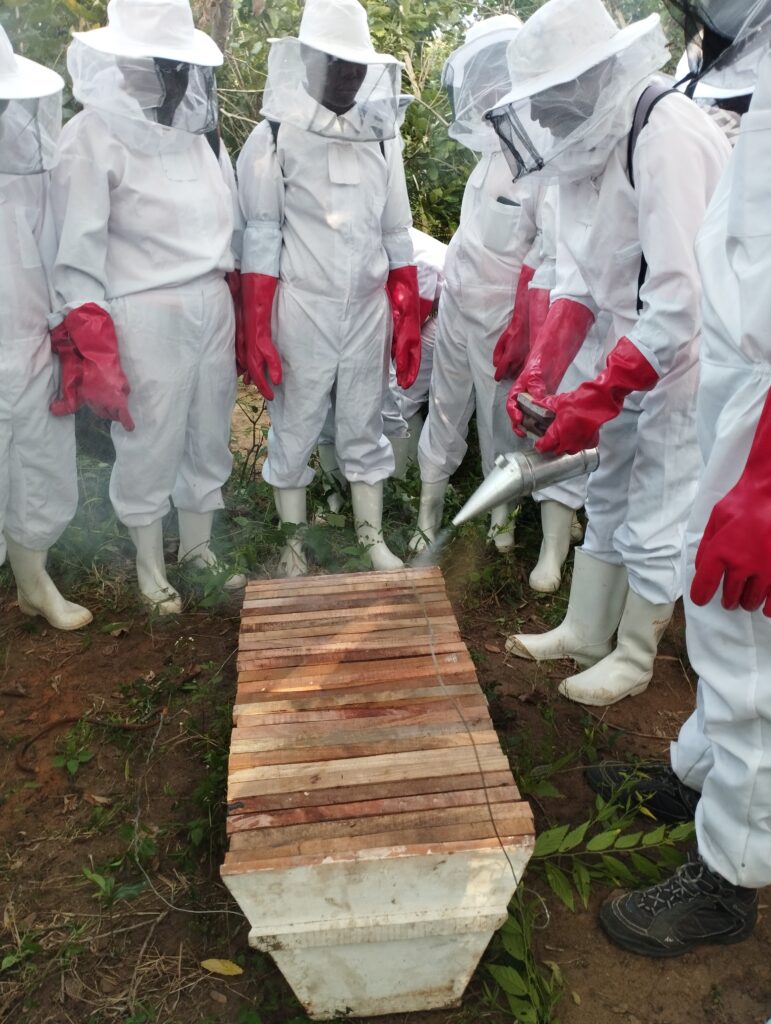
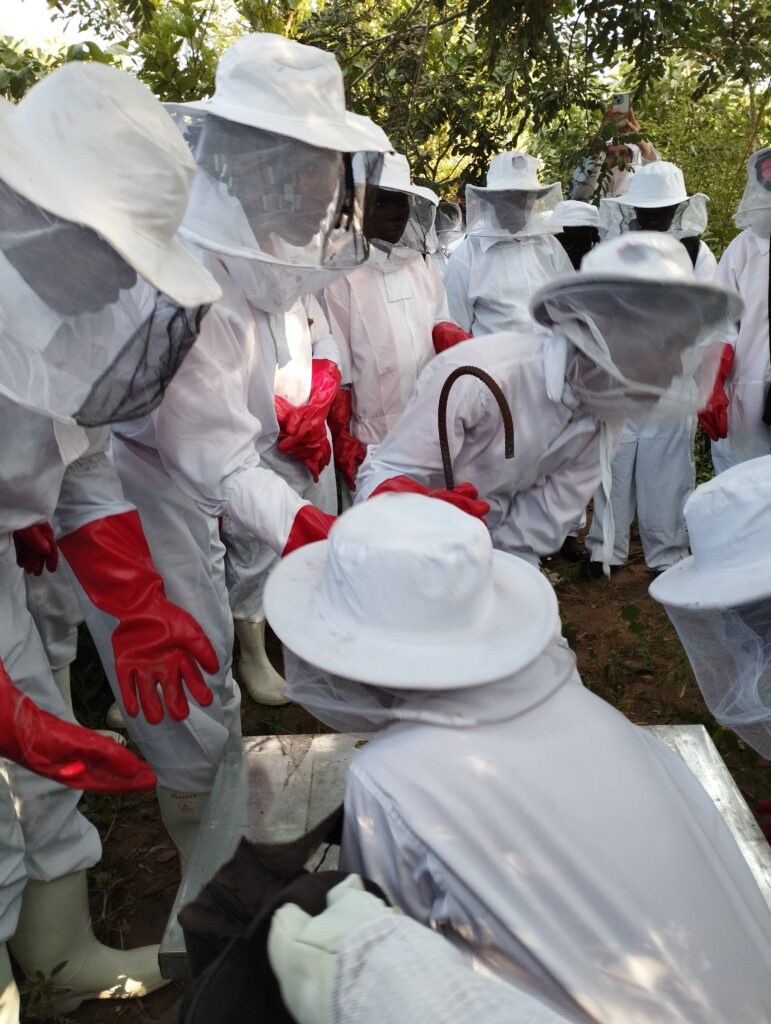
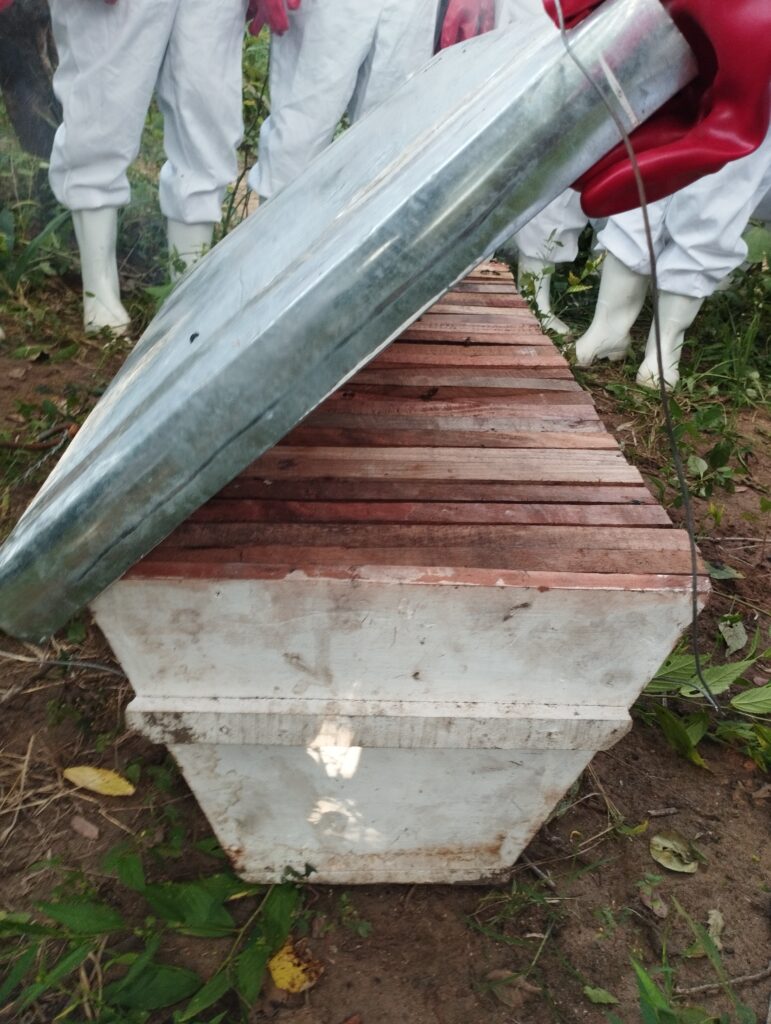
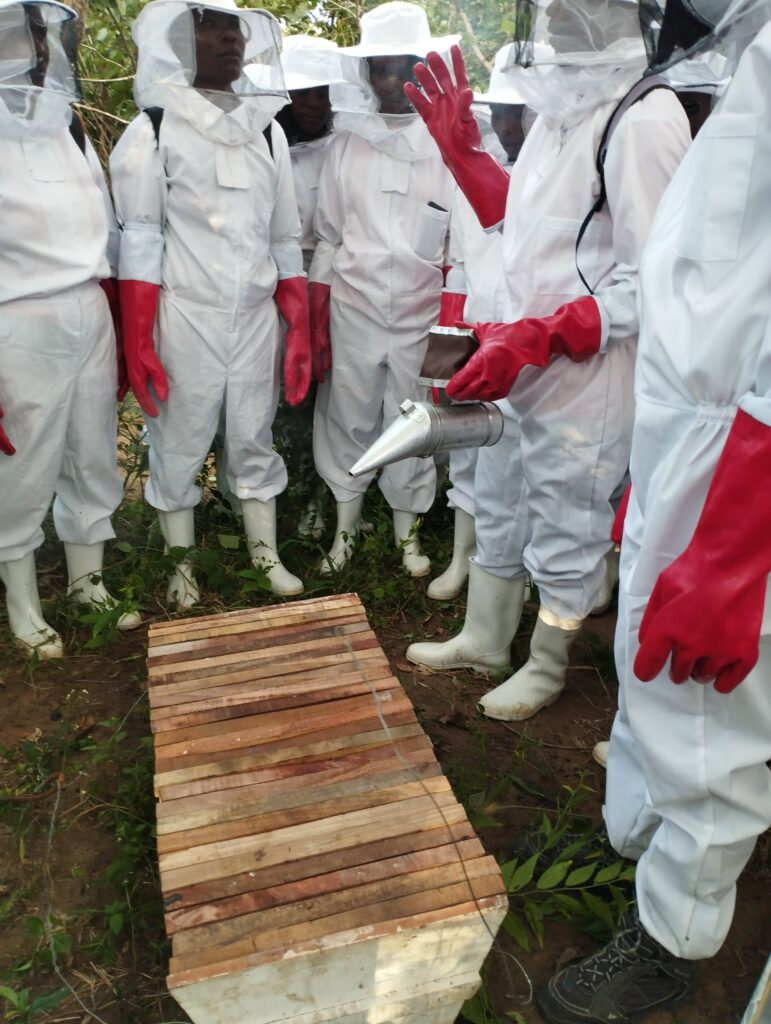
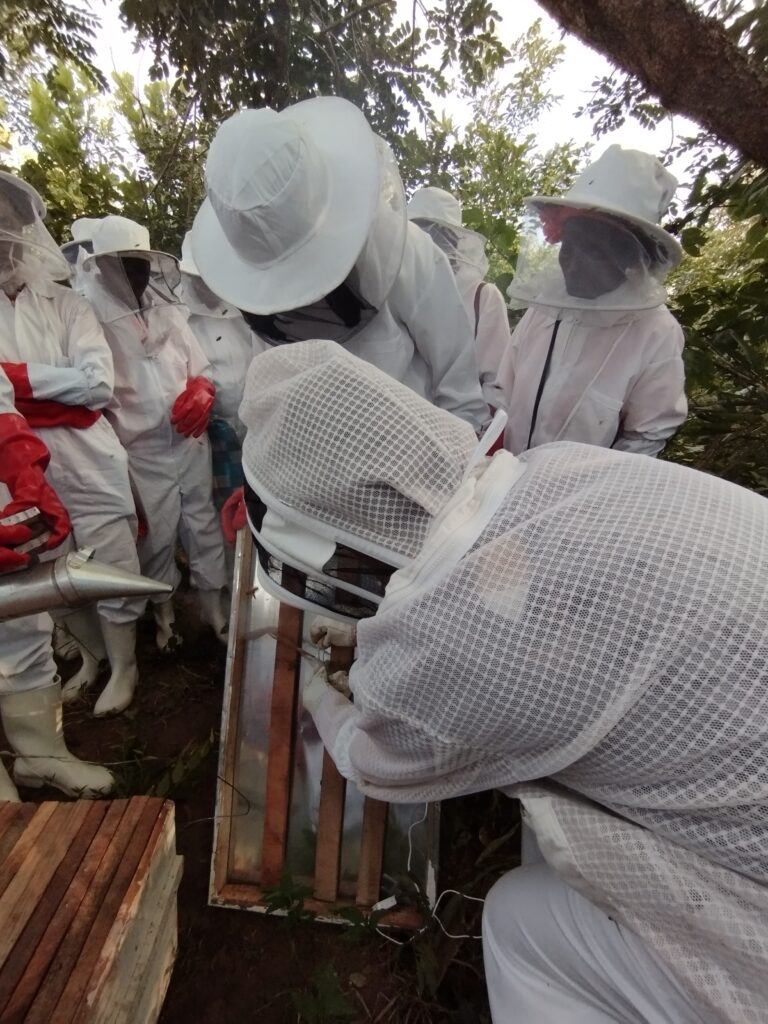
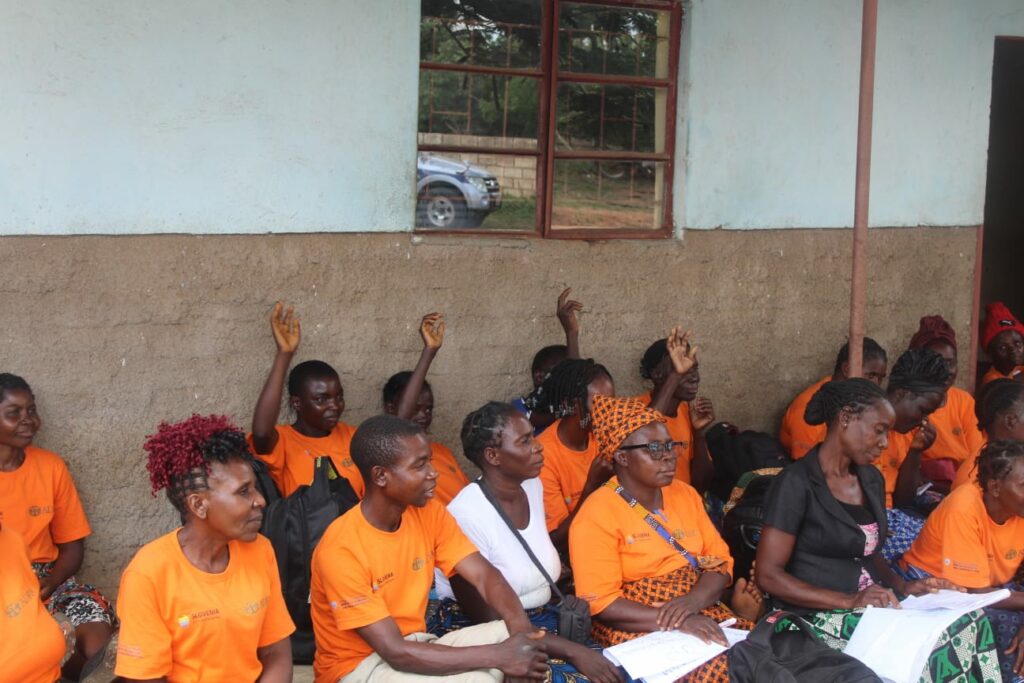
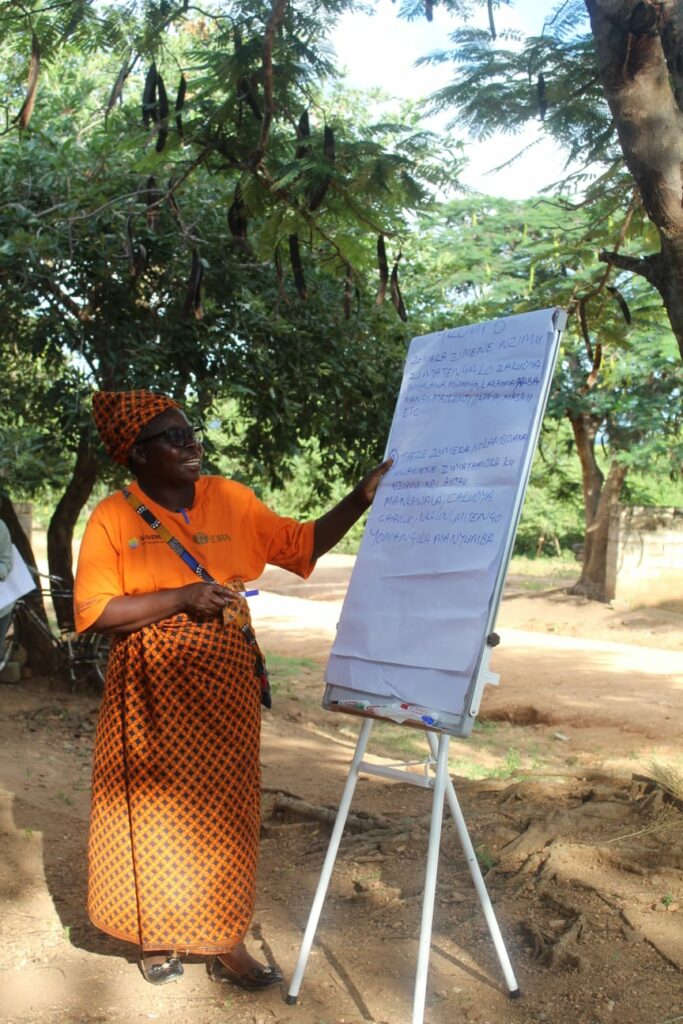
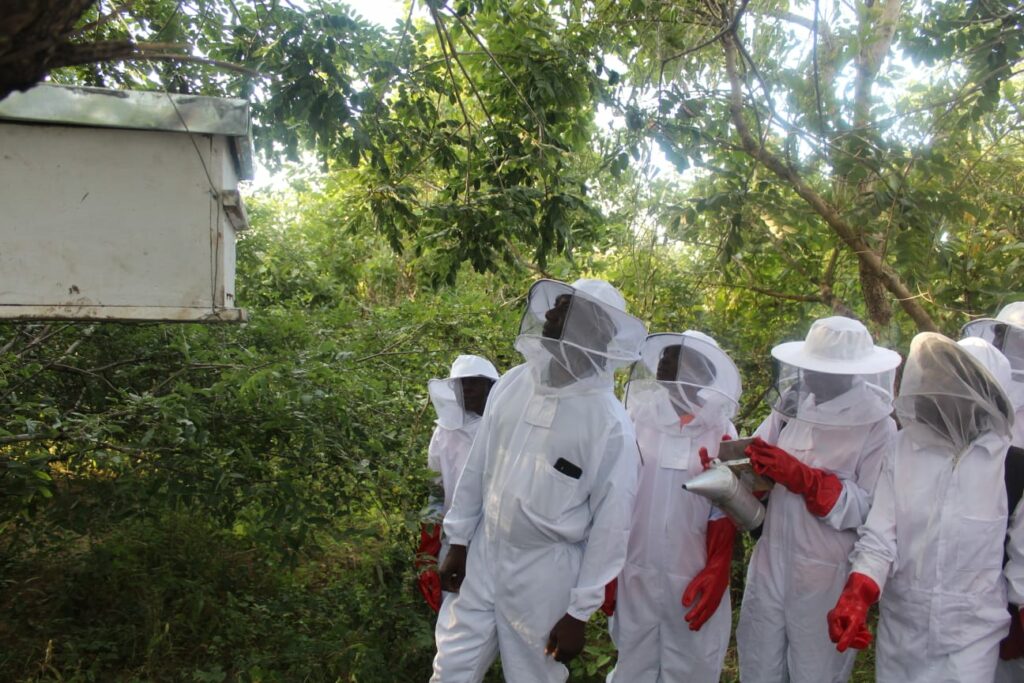
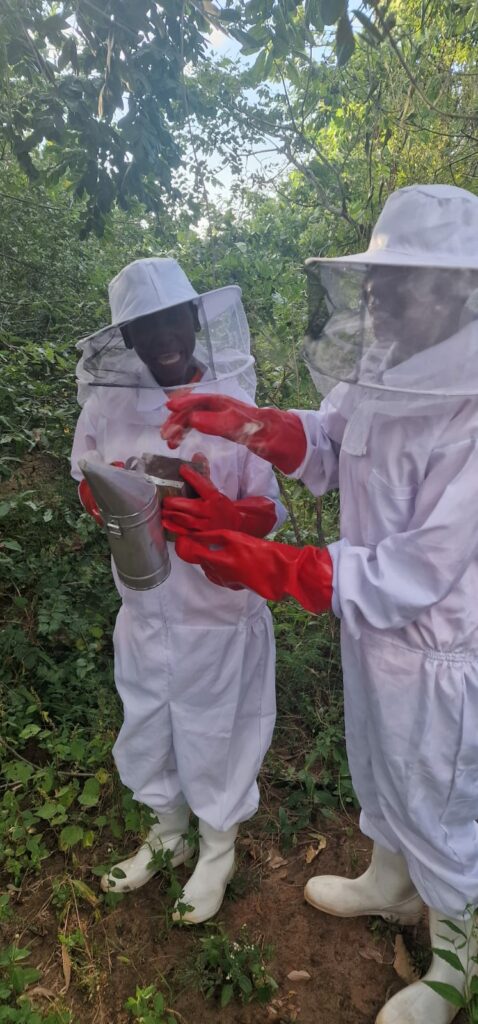
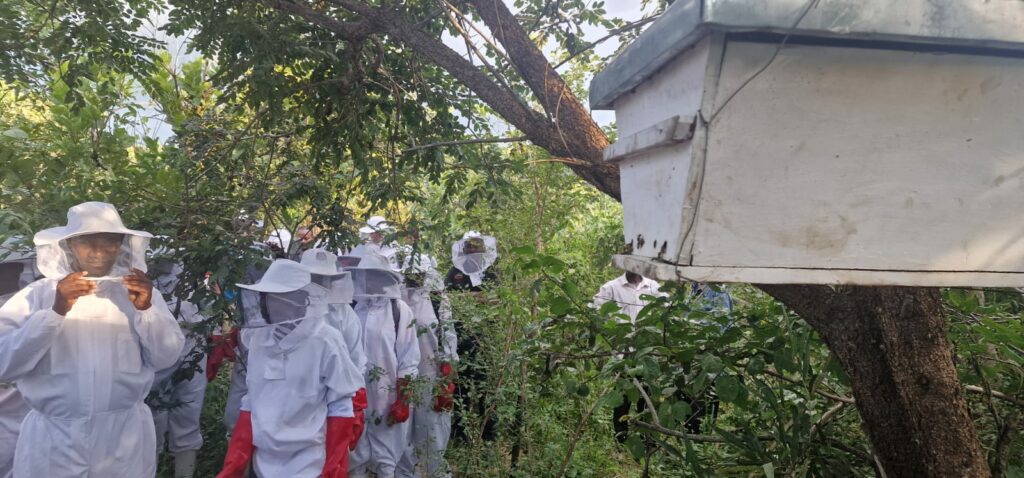
The Agricultural Institute of Slovenia, alongside our local partners, organized a two-day training for the beneficiaries, focusing on the transition from traditional hives to tophive bars. The training also delved into identifying essential local plants, trees, and crops that are vital for the bees’ nutrition, helping improve their productivity and overall health. 🌳

A key moment was the opportunity to observe the hardworking African honey bee (Apis mellifera scutellata), a species crucial for pollination and the local ecosystem. We also witnessed progress in the establishment of the Bee Park, led by Honorary Consul of the Republic of Zambia in Slovenia Damjan Zonta. We were pleased to see the successful installation of five water pipes and the progress in the reforestation of 20 hectares area. 🐝

The success of this project would not have been possible without the incredible support from ADRA Zambia, HRH Chief Nyamphande, and the District Commissioner. We are deeply grateful for their dedication and collaboration, which have been key in ensuring the project’s success.

Our thanks also go to ADRA Slovenia, our lead partner, and the Ministry of Foreign Affairs of the Republic of Slovenia, through Slovenian Aid, for their invaluable contribution in funding and supporting this transformative project.

Looking ahead, we’re excited to see the first honey extraction in June, marking the beginning of a new chapter for these women beekeepers. We’re honoured to be part of such a life-changing story, and we look forward to continuing this journey toward sustainable and empowered beekeeping in Zambia. 🍯🐝🌸🌻

Zikomo! (Thank you so much!) 💛

Photo: Akademija&KIS

🐝 MARCH – THE MONTH OF BEEKEEPERS’ MEETINGS AND NETWORKING

March 2025 was a very eventful month full of international meetings and important events for the Beekeeping Academy of Slovenia, Agricultural Institute of Slovenia.

🔸  Study Visit from Estonia  

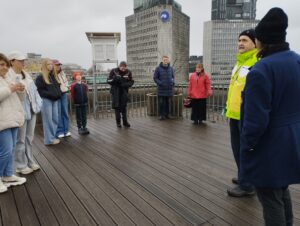
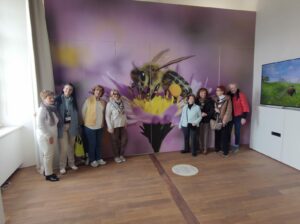
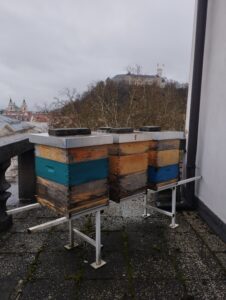
As part of the Erasmus+ programme, we hosted a delegation of from the NGO Alustame Algusest from Estonia. We toured the beehives on the roof of the Park Hotel, visited the Melisa apitherapy apiary and learned about the tradition of beekeeping in Slovenia at an interactive exhibition in the Carniolan Bee House, where we also had the opportunity to taste various kinds of Slovenian honey.

🔸  APIS Slovenia I Europe beekeeping fair in Celje

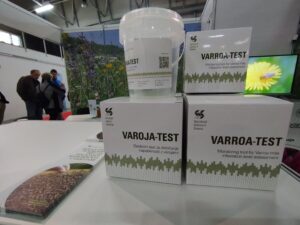
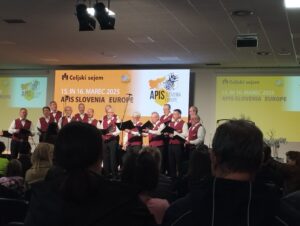
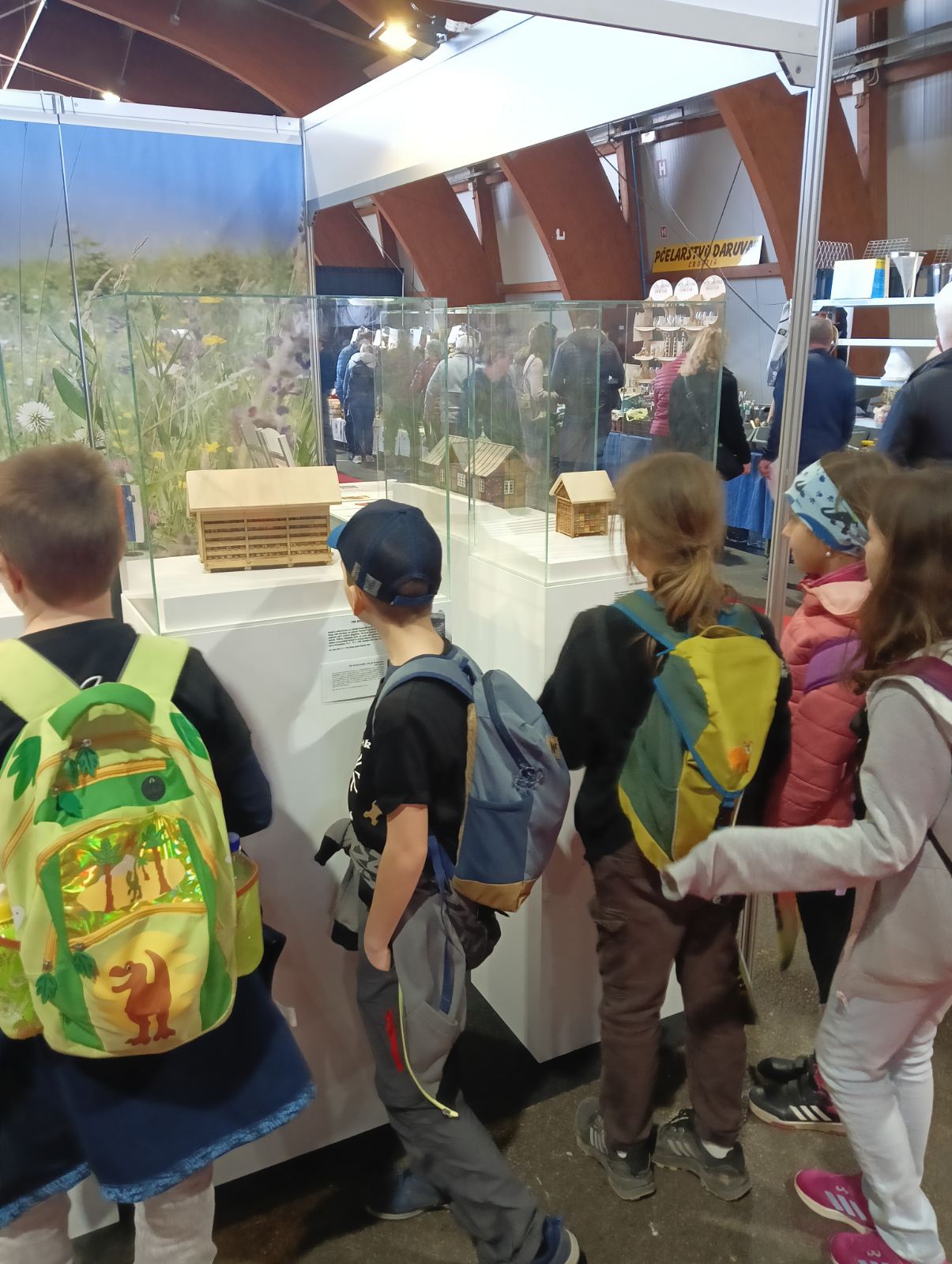
At Slovenia’s largest beekeeping fair, we presented four handmade models of Slovenian beehives based on archive photos from the mid-20th century and the sugar test to determine varroa infestation rate in bee colonies (https://www.kis.si/pripomocki/Varoja-test/).

We also had the honour of hosting representatives from the scientific committees of the European Beekeeping Association (EBA) to discuss bee health, the quality of bee products and sustainable beekeeping practises. Under the guidance of the Vice President of the Slovenian Beekeepers’ Association and certified bee guide Ales Süssinger, we visited part of the Ljubljana Bee Route.

🔸  BPW International Delegation  

In March, the International Federation of Business and Professional Women (BPW International) visited Slovenia. We introduced them to two important development projects, namely Economic Empowerment of Mine Victims in BiH (ITF, UDAS partnership) and (Women) beekeepers as drivers of positive change in Zambia (ADRA Slovenia, ADRA Zambia, Slovenian Business Club in Zambia partnership). Both projects are supported by the the Republic of Slovenia under the “Slovenian Aid” International Development Cooperation and Humanitarian Aid Programme, Ministry of Foreign and European Affairs. The delegation BPW International also visited the Museum of Apiculture Radovljica and learned more about history and tradition of beekeeping in Slovenia and got acquainted with the AŽ hives – the main technological specialty of beekeeping in Slovenia.

We are grateful to all the participants and visitors who contributed to the success of these events. 🐝✨

Participation in the XVII Agricultural Science Congress & Co-organization of Bee Vital Symposium: Advancing Agricultural and Environmental Sustainability 🌍🐝

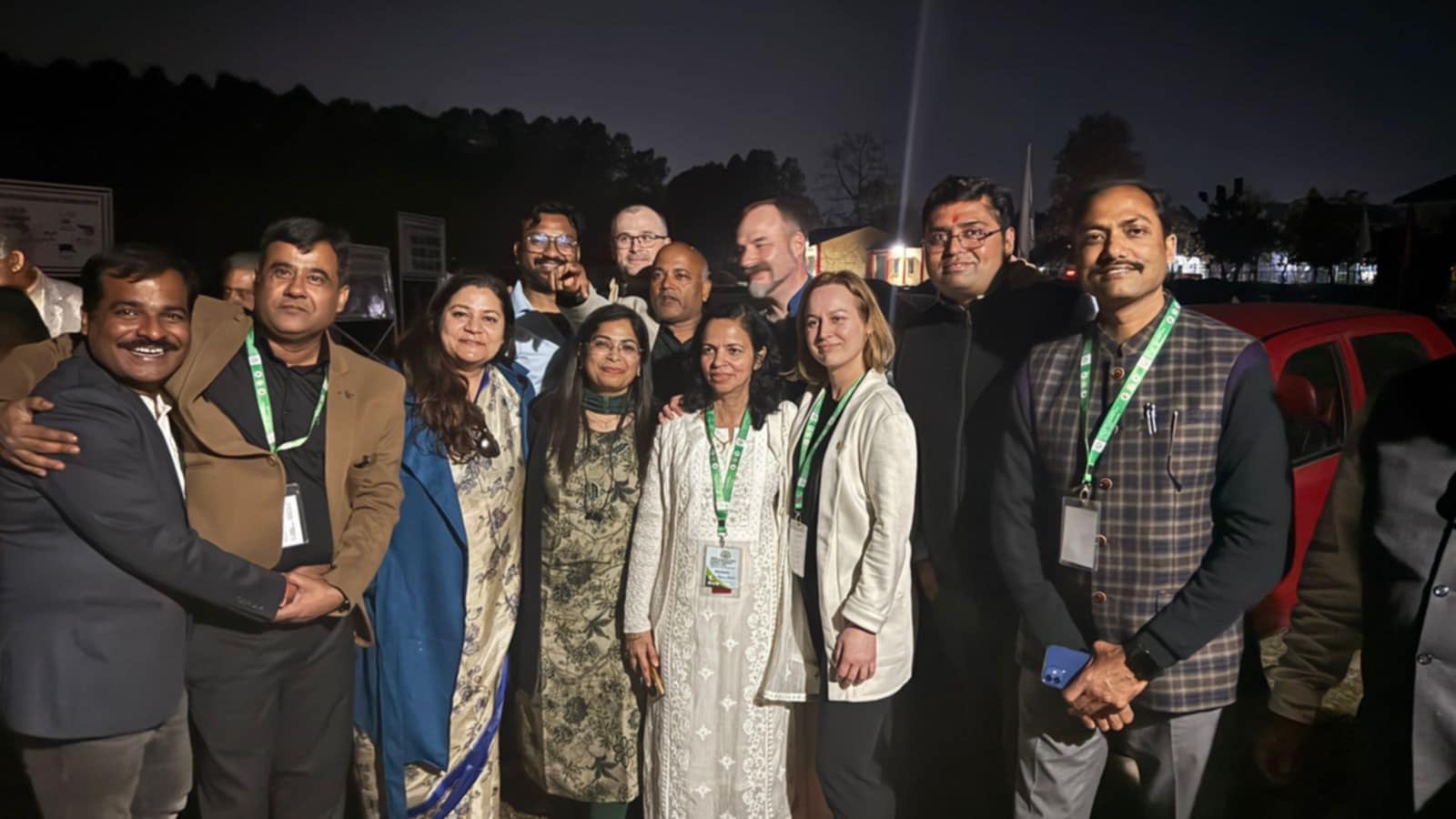
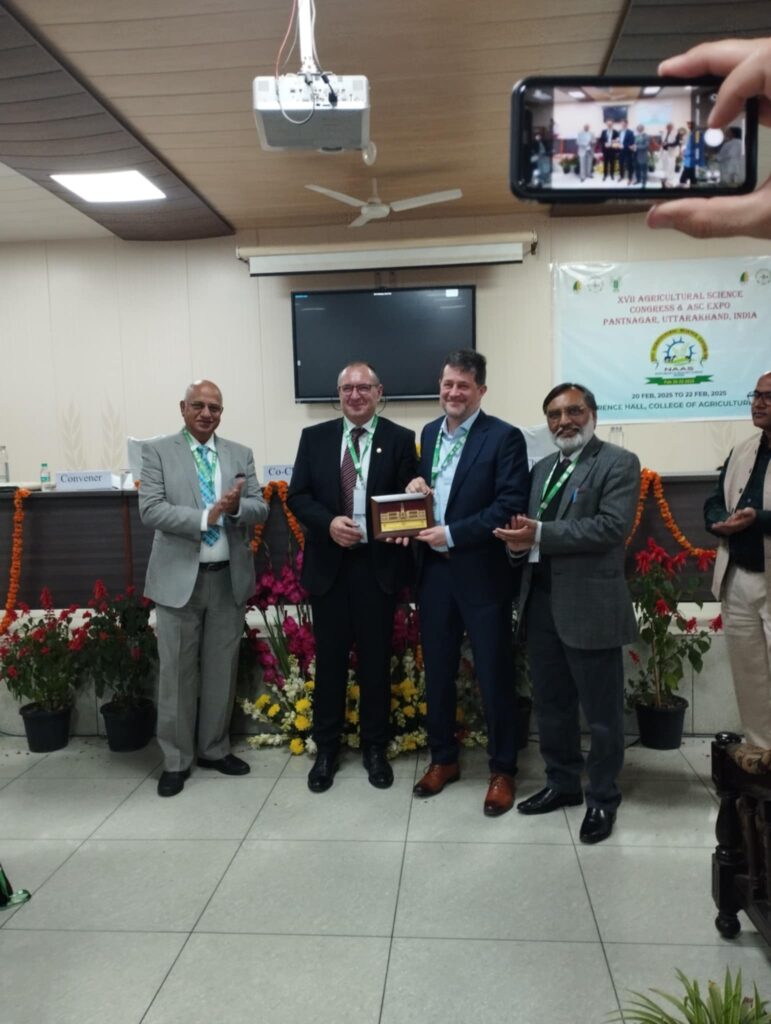
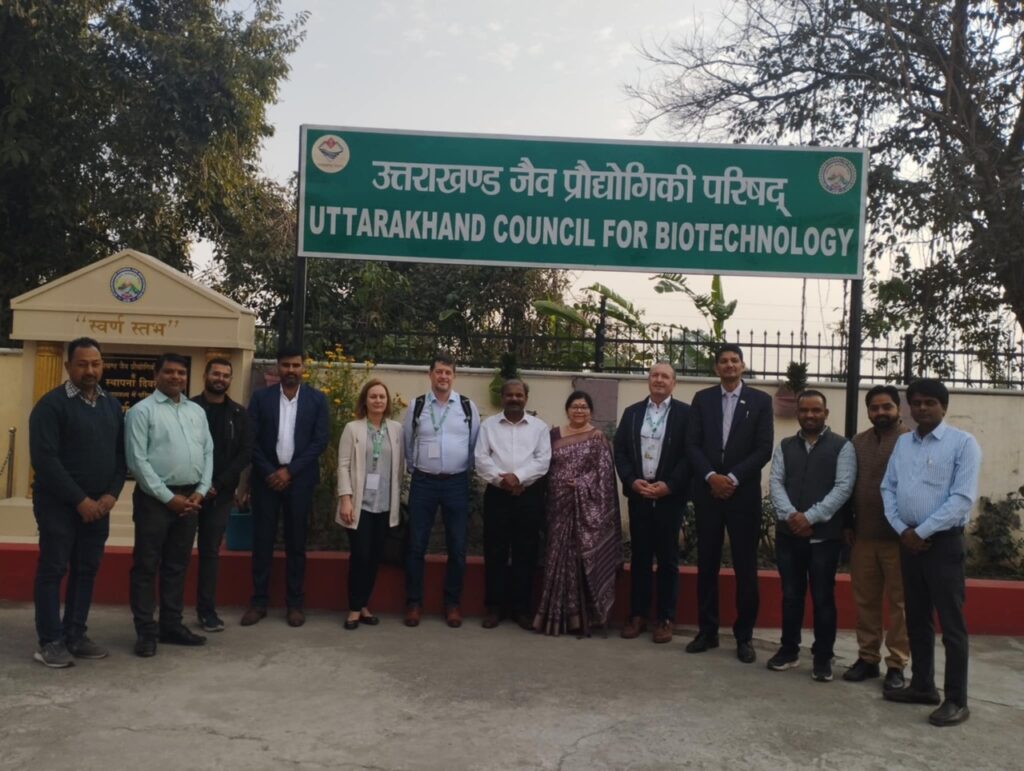
The  XVII Agricultural Science Congress, held in Pantnagar, Uttarakhand, India, brought together global experts to explore groundbreaking advancements in agriculture, focusing on frontier sciences and technologies for a developed India. This prestigious event, hosted from February 20-22, 2025 , provided a platform for in-depth discussions on the future of agriculture, encompassing key topics like precision farming, digital agriculture, biotechnology, and sustainable practices.

The congress theme, “Frontier Sciences and Technologies in Agriculture for a Developed India,” aimed to address pressing agricultural challenges and innovations. Among the key areas covered were  precision farming ,  genetically modified crops,  digital agriculture, and  climate-resilient farming techniques. The goal was to drive India towards agricultural sustainability while fostering food security, environmental protection, and economic growth.

One of the key highlights of the congress was the Bee Vital Symposium: Understanding the Agricultural Significance of Honey Bees, which was co-organized by the Agricultural Institute of Slovenia (KIS). This symposium emphasized the indispensable role that honey bees play in pollination and their critical importance in global agriculture, particularly in the context of sustainable farming practices. Beekeeping Academy of Slovenia also showcased their ongoing projects, drawing attention to the importance of preserving bee populations and sustainable beekeeping practices.

Key Participants  included:

  • Andrej Simončič, Ph.D., Director of KIS
  • Prof. Janez Prešern, Ph.D. Head of Animal Production Department, Group leader – Apiculture
  • Valentina Cvjetković, Beekeeping Academy of Slovenia
  • Danilo Bevk, National Institute of Biology (NIB)
  • Gorazd Trušnovec, President of the Urban Beekeepers Association
  • Beekeping Academy of Slovenia also shared insights into their educational programs and international projects in Bosnia and Herzegovina and Zambia. 🌍✨

Since 2021, we have been successfully implementing the project »Beekeeping as an empowerment tool for landmine victims in BiH” in cooperation with our partners ITF Enhancing Human Security and the Organization of Amputees of the Republic of Srpske (UDAS).

In the project “(Women) beekeepers as drivers of positive change in Zambia” we are working together with ADRA Slovenia, ADRA Zambia and the Slovenian Business Club in Zambia. Both projects are supported by the Republic of Slovenia under the “Slovenian Aid” International Development Cooperation and Humanitarian Aid Programme.

In addition to the symposium, Slovenia’s contributions were featured in various abstracts that covered the significance of  beekeeping  and  agricultural policy , and emphasized the country’s long tradition of sustainable beekeeping practices.

Slovenia’s International Collaboration Projects

At the congress, we also had the opportunity to present two key international projects. The  Bee Vital Symposium  featured contributions from Slovenian experts and highlighted Slovenia’s strong commitment to environmental sustainability and the importance of collaborative international projects.

  1. Since 2021, we have been successfully implementing the project »Beekeeping as an empowerment tool for landmine victims in BiH” in cooperation with our partners ITF Enhancing Human Security and the Organization of Amputees of the Republic of Srpske (UDAS). The main purpose of the project is to equip land mine/UXO survivors with the knowledge and skills needed to establish small-scale beekeeping businesses and create a supportive interconnected network to improve the quality of life.
  2. Project in Zambia : In the project “(Women) beekeepers as drivers of positive change in Zambia” we are working together with ADRA Slovenia, ADRA Zambia and the Slovenian Business Club in Zambia. Implementation of the project leads to rural development, localization of food production through independent implementation of natural beekeeping and contributes to reducing the abandonment of rural villages, as it creates new opportunities for women and encourages young people to new forms of employment.

Both projects are supported by the Republic of Slovenia under the “Slovenian Aid” International Development   Cooperation and Humanitarian Aid Programme.

Read More

We invite you to explore the  Book of Abstracts  from the XVII Agricultural Science Congress, where several Slovenian contributions were featured.

  • “Legislation and Other Measures on the Safe Use of Pesticides on Bees in Slovenia”, Prof. Dr. Andrej Simončič
  • “Beekeping in a warming world: Adjustments of practice”, Prof. Dr. Janez Prešern

Partner Acknowledgment:

»Beekeeping as an empowerment tool for landmine victims in BiH”


“(Women) beekeepers as drivers of positive change in Zambia”


The work done at the XVII Agricultural Science Congress will undoubtedly further strengthen global efforts in sustainable agriculture and environmental protection. 🌿💛

Beekeeping for people with disabilities to empower victims of armed conflict from Ukraine

The armed conflict in Ukraine, which began in February 2022, has had a catastrophic impact on millions of people, resulting in massive humanitarian needs.

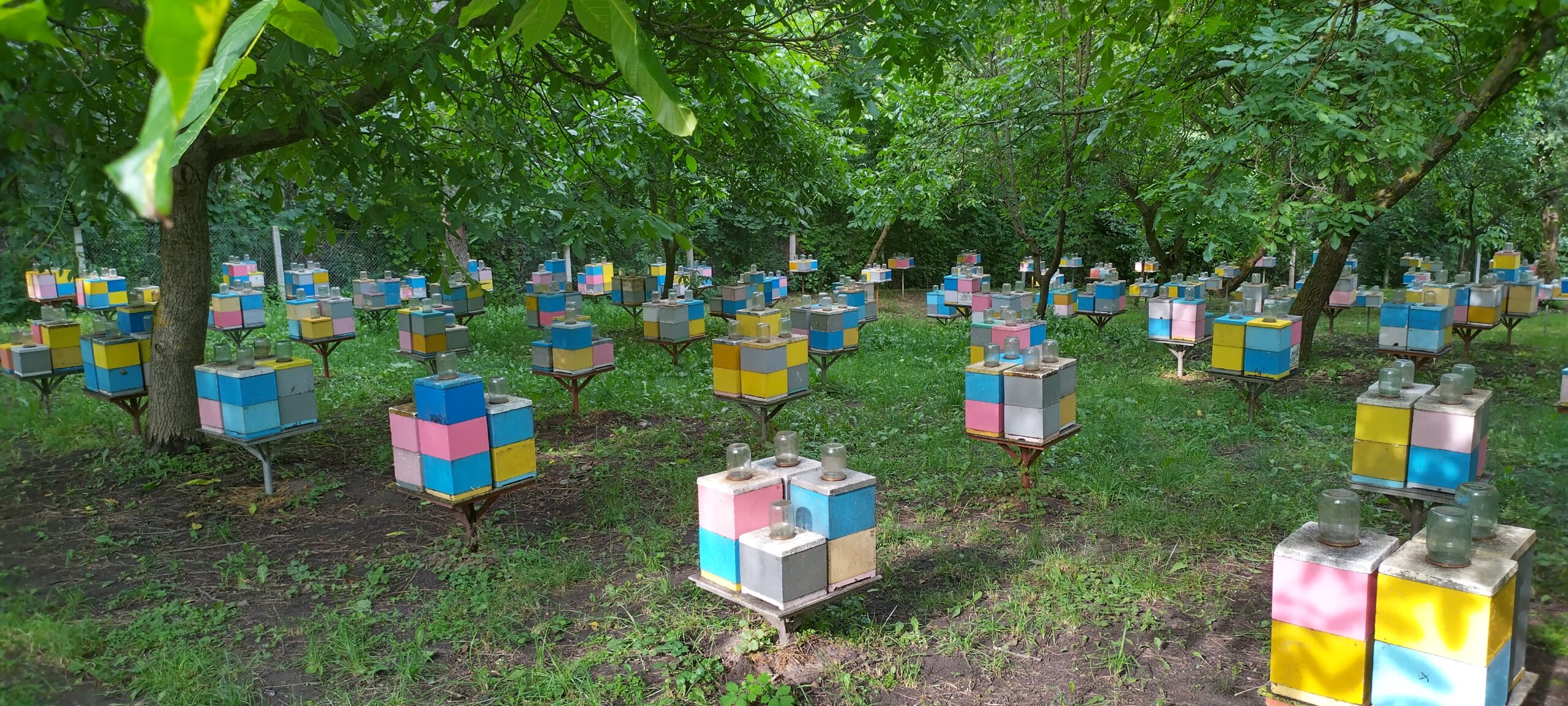
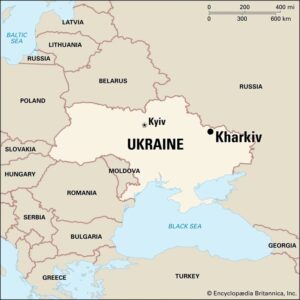
The armed conflict in Ukraine has severely affected the Kharkiv region, particularly rural areas where a large number of victims face severe material hardship. Most of them are unemployed and receive minimal disability allowance, which makes it very difficult for them to live and care for their families. Due to their disability, they face many obstacles in finding employment, and women victims of the armed conflict are particularly discriminated against. The military conflict has also had a drastic impact on the mental health of the population, causing severe psychological trauma, loss and feelings of helplessness. Beekeeping can play a key role in the reconstruction and stabilisation of affected communities.


The purpose of the project

The pilot project ‘Beekeeping for People with Disabilities to Empower Victims of Armed Conflict from Ukraine’ aims to educate victims of conflict about beekeeping in order to provide them with an additional source of income. It is an activity that does not require complex technology to start up and is suitable for areas where resources are limited and can be carried out by both men and women. Beekeeping can provide a stable source of income for households, including persons with disabilities, as it can be done from home. By learning about beekeeping and purchasing equipment to work with bees, victims of conflict will have a better chance of becoming successful beekeepers.


Many have lost hives, beekeeping equipment, and the infrastructure needed to produce honey and honey products in the armed conflict but are unable to buy them back due to limited financial resources and supply problems. For the victims of the conflict, beekeeping would mean additional income, reintegration into society and a decent life, while spending time in nature would contribute to their overall well-being. Basic equipment will be purchased for the beekeepers – victims of the armed conflict – who will participate in the online education, and for the Kharkiv Region Association of Beekeepers or the Union of Beekeepers of Ukraine. The project will also place greater emphasis on promoting beekeeping among victims of conflict as a potential source of income. Training will also raise awareness about living with nature and protecting the environment.
 

Specific objective

To integrate people with reduced mobility and psychosocial problems – victims of armed conflict and their family members into the work process, making beekeeping accessible to all.

Empowering vulnerable groups, raising awareness about living with nature and protecting the environment, and developing social skills such as socialising among beekeepers, helping each other and working with bees.


Online education

Online beekeeping education is intended for beekeepers – victims of the conflict from the Kharkiv region of Ukraine and their immediate family members. The education covers topics suitable for beginners as well as for established beekeepers and includes the aspect of ecological awareness in the beekeeping process.

  • Guidelines for good hygiene practices in beekeeping
  • Bee nutrition
  • Beekeeping tasks by month
  • Bee healthcare
  • Organic beekeeping

The online training was conducted from 9 to 12 December 2024 and was attended by a total of 54 participants, 7 of whom were soldiers/veterans with disabilities, 5 women – families of fallen soldiers and 12 – military personnel of the Armed Forces of Ukraine.


Purchasing equipment

Purchase of over 26 sets of basic equipment for beekeepers – victims of the armed conflict who participated in the online education, for the Kharkiv Region Association of Beekeepers and for the Union of Beekeepers of Ukraine.


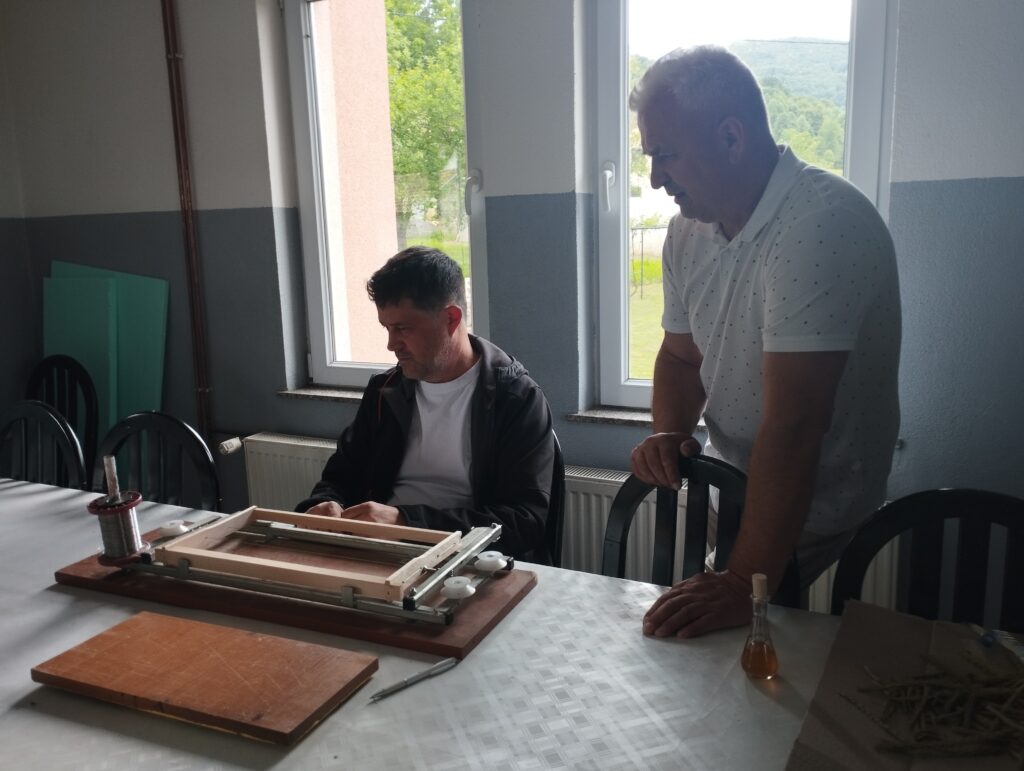
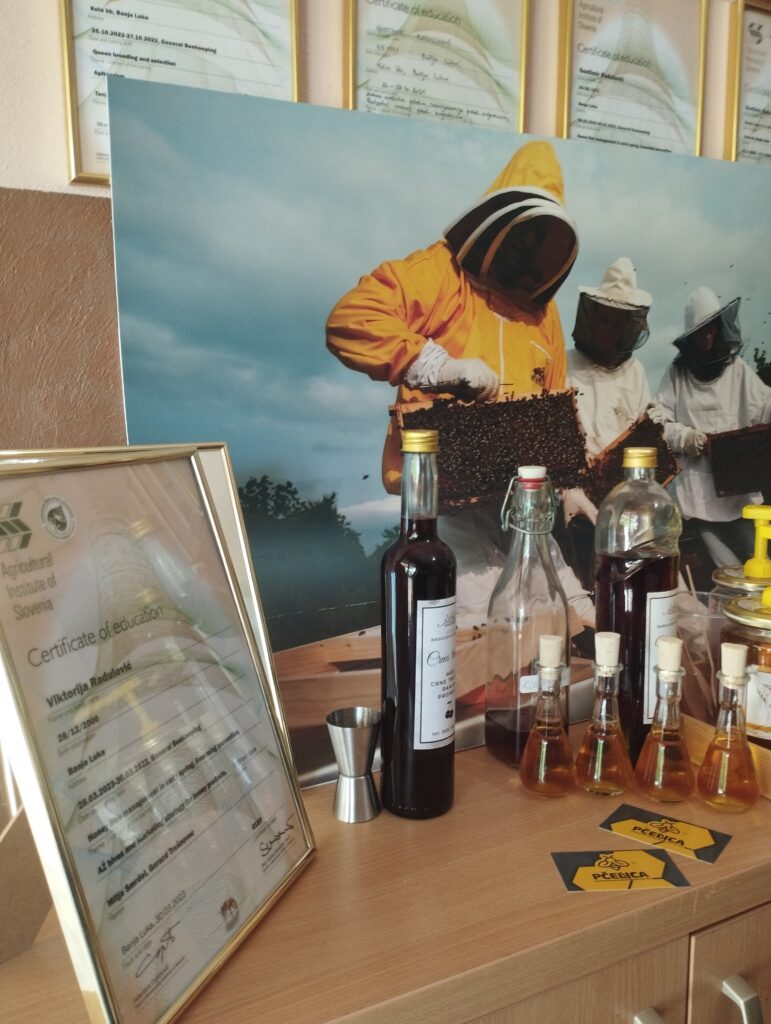
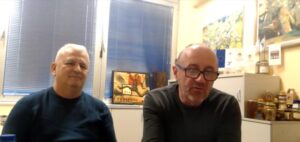
On the left, beekeeper Gostimir Radulović, a landmine victim, on the right, President of UDAS, Željko Volaš.

Round table

The pilot project for victims of armed conflict from Ukraine is based on the model of the successfully implemented project ‘Beekeeping as an Empowerment Tool for Land Mine Victims in Bosnia and Herzegovina’, which has been running continuously since 2021. The round table aims to transfer the knowledge and experience of the NGO UDAS from Bosnia and Herzegovina, a key local partner of the project, which brings together mine victims and their family members to claim their rights and reintegrate them back into the community.


The project is supported by the Republic of Slovenia under the “Slovenian Aid” International Development Cooperation and Humanitarian Aid Programme through ITF Enhancing Human Security. The project is implemented by ITF Enhancing Human Security’s partners Agricultural Institute of Slovenia – Beekeeping Academy of Slovenia and the Union of Beekeepers of Ukraine.


Successful implementation of training courses for beekeepers mine victim, BiH

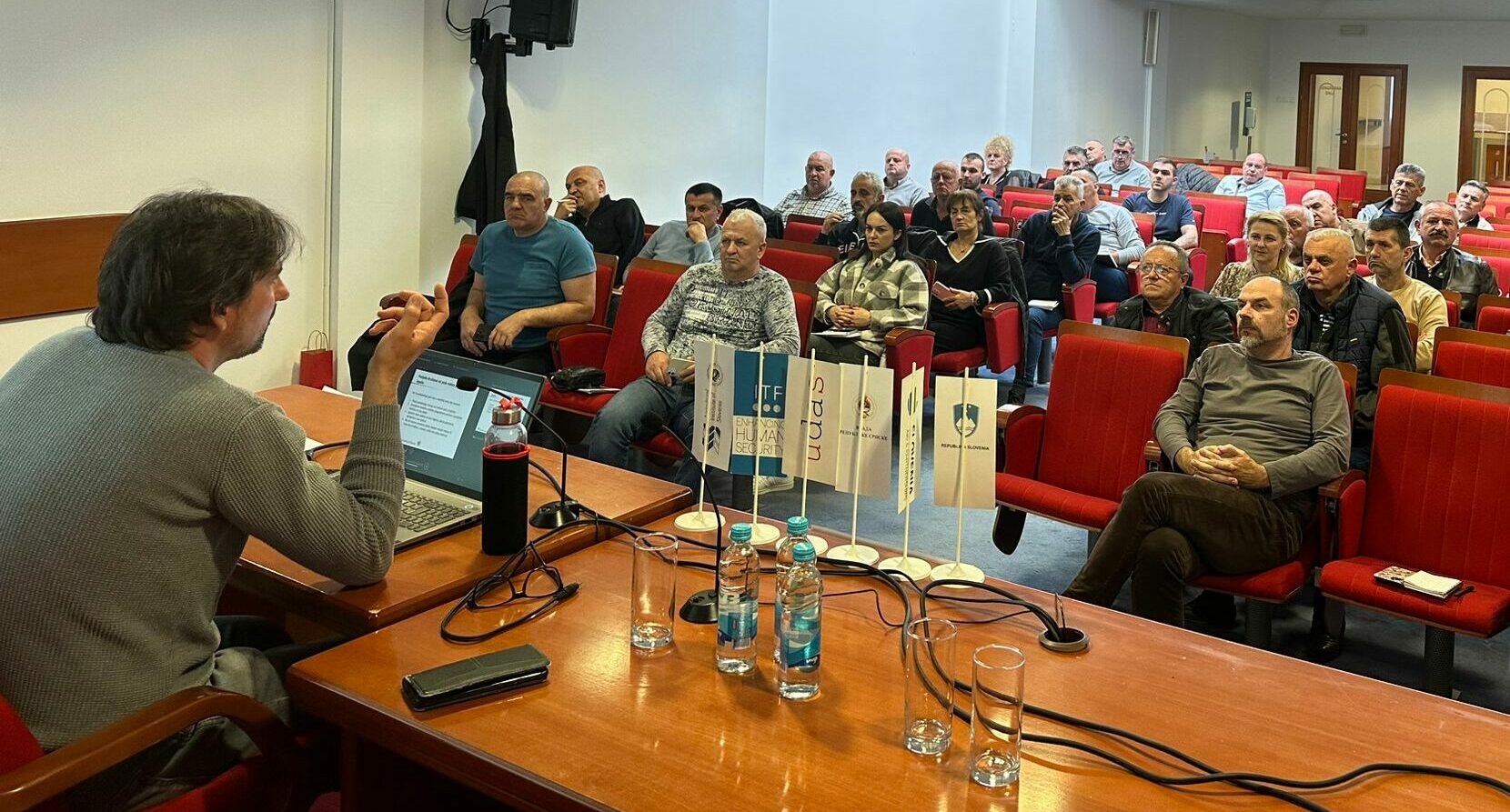
As part of the project “Beekeeping as a tool of empowering for mine victims from Bosnia and Herzegovina – Phase 4”, a four-day training  was completed on Thursday, March 21, 2024. The training was attended by over 40 beekeepers from all over BiH, who were addressed by the ambassador of the Republic of Slovenia in BiH, H. E. Damjan Sedar and Nebojša Vidaković, Assistant Minister for  Veterans and Disabled Persons’ Protection of the Government of the Republic of Srpska.

Lectures in Banja Luka were held by the instructors of the Beekeeping Academy of Slovenia on the following topics:

  • Beekeeping Tasks by Month and Queen breeding – handling and management

(Mitja Smrdel, president of the Slovenian Professional Beekeepers Association),

  • Summer brood interruption as strategy for effective Varroa control

(Mateja Ratiznojnik, Veterinary Faculty University of Ljubljana) and

  • Swarming – Prevention and control, Honeybee nutrition in winter months

(Gorazd Trušnovec, president of the Urban Beekeepers Association of Slovenia).


The central purpose of the project is to empower beekeepers, mine victims, with knowledge that will help improve the efficiency and effectiveness of their beekeeping activity. Beekeeping makes it possible to establish stable household incomes and improve the quality of life of vulnerable social groups. In general, beekeeping is extremely suitable for small-scale agricultural activities in places where capital and technological resources are limited, therefore it offers many employment opportunities for people with disabilities, since it is based on work at home.

The project “Beekeeping as a means of empowering mine victims from Bosnia and Herzegovina – Phase 4” is carried out in partnership with the humanitarian, non-profit organization ITF Enhancing Human Security (ITF) and the local partner Organization of Amputees UDAS Republika Srpska. The project is financed by the Ministry of Foreign and European Affairs of the Republic of Slovenia.

Beekeeping Academy hosts Postgraduate Fellow from Harvard University

Haley Benbow is a Postgraduate Fellow from Harvard University who is in Slovenia to study beekeeping and its relation to Slovenian culture. She will be working in partnership with the Beekeeping Academy of Slovenia, Agricultural Institute of Slovenia, through September 2024. Her academic background is in food studies, public health, and environmental science, but with this project, she is taking an anthropological approach. She is interested in learning as much as possible through visits to Slovenian cultural institutions, participating in apiculture activities, and speaking with people working in all aspects of beekeeping and its related products.

Beekeeping project from BiH is making waves all the way to Ukraine

The March edition of the Ukrainian beekeeping newspaper, Pasika, featured an article spotlighting our initiative, highlighting how beekeeping serves as a significant empowering tool for vulnerable communities, including mine and UXO survivors.

Since 2021, in collaboration with partners ITF Enhancing Human Security and The Organization of Amputees Republike Srpske (UDAS), we’ve been working to equip survivors with the skills and resources needed to establish small-scale beekeeping businesses. Through comprehensive training sessions, study visits, and the establishment of the Beekeeping Center in Banja Luka, we’re not only providing a sustainable source of income but also fostering confidence, independence, and a sense of purpose among participants.

Beekeeping isn’t just a hobby; it’s a fulfilling activity and a tool for social inclusion and empowerment. As one participant put it, “Ovo nije hobi, ovo je ljubav” – “This is not a hobby, it’s love”.

The entire article is available at the following link: Beekeeping project from BiH published in Ukrainain beekeeping newspaper


ApiSlovenia 2024

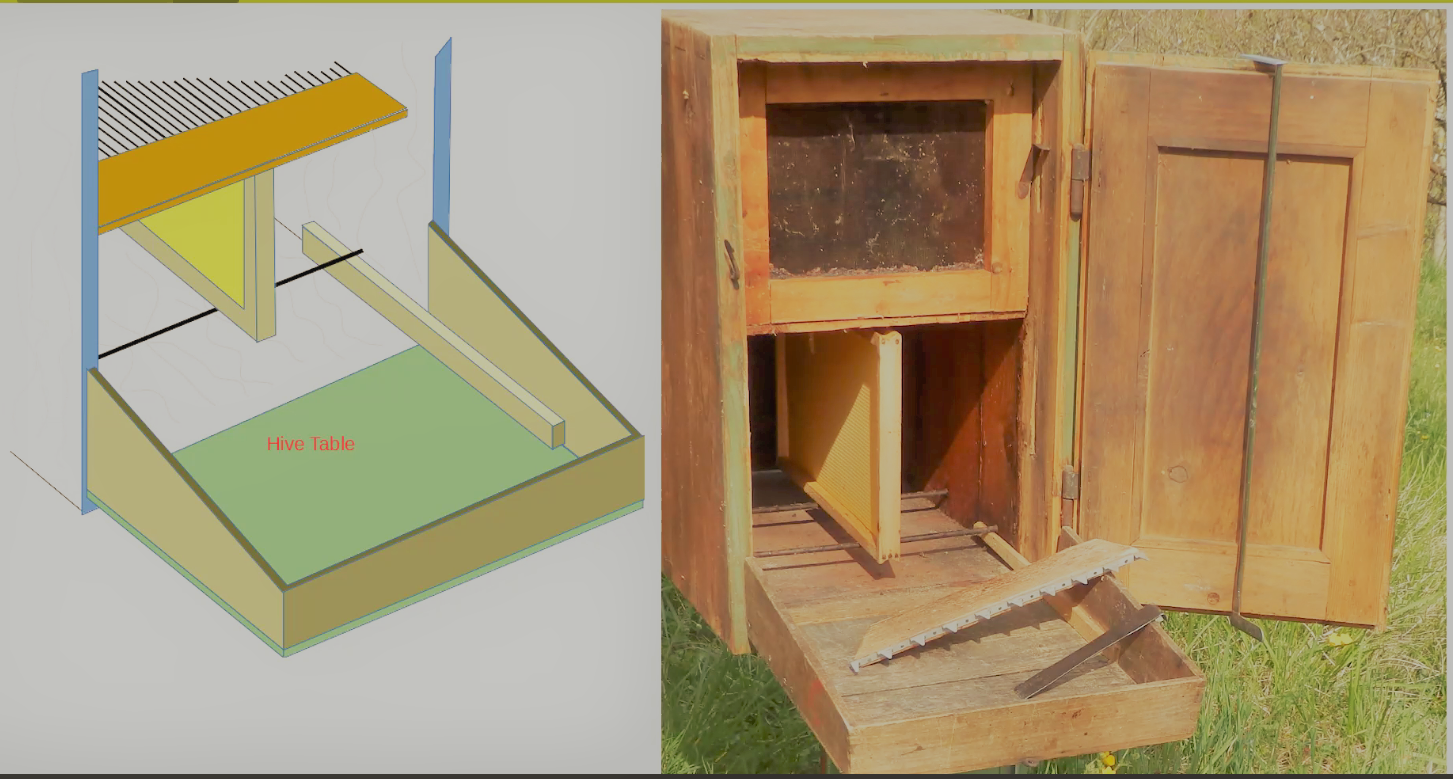
The ApiSlovenia fair is the largest professional beekeeping event in Europe and has traditionally been held for more than 40 years. In addition to the exhibition program, ApiSlovenia also offers expert lectures on beekeeping. On Saturday, March 16 and Sunday, March 17, 2024, Beekeeping Academy of Slovenia presented at the exhibition area  four hand-made models of beehives (in a uniform scale of 1:25), which represent the typology of Slovenian beehives. They are part of the Slovenian cultural landscape and the rich heritage of folk architecture, beekeeping and unique folk art – the painting of beehive panels. The beehives are the work of architect Damjan Popelar (https://www.galeriakozolec.si/), who reconstructed them on the basis of archival field photographs of the Slovenian Ethnographic Museum from the middle of the 20th century and the Register of old beehives, which has been managed by the Slovenian Beekeepers’ Association since 2014.
FAO Director-General QU Dongyu visits Slovenia

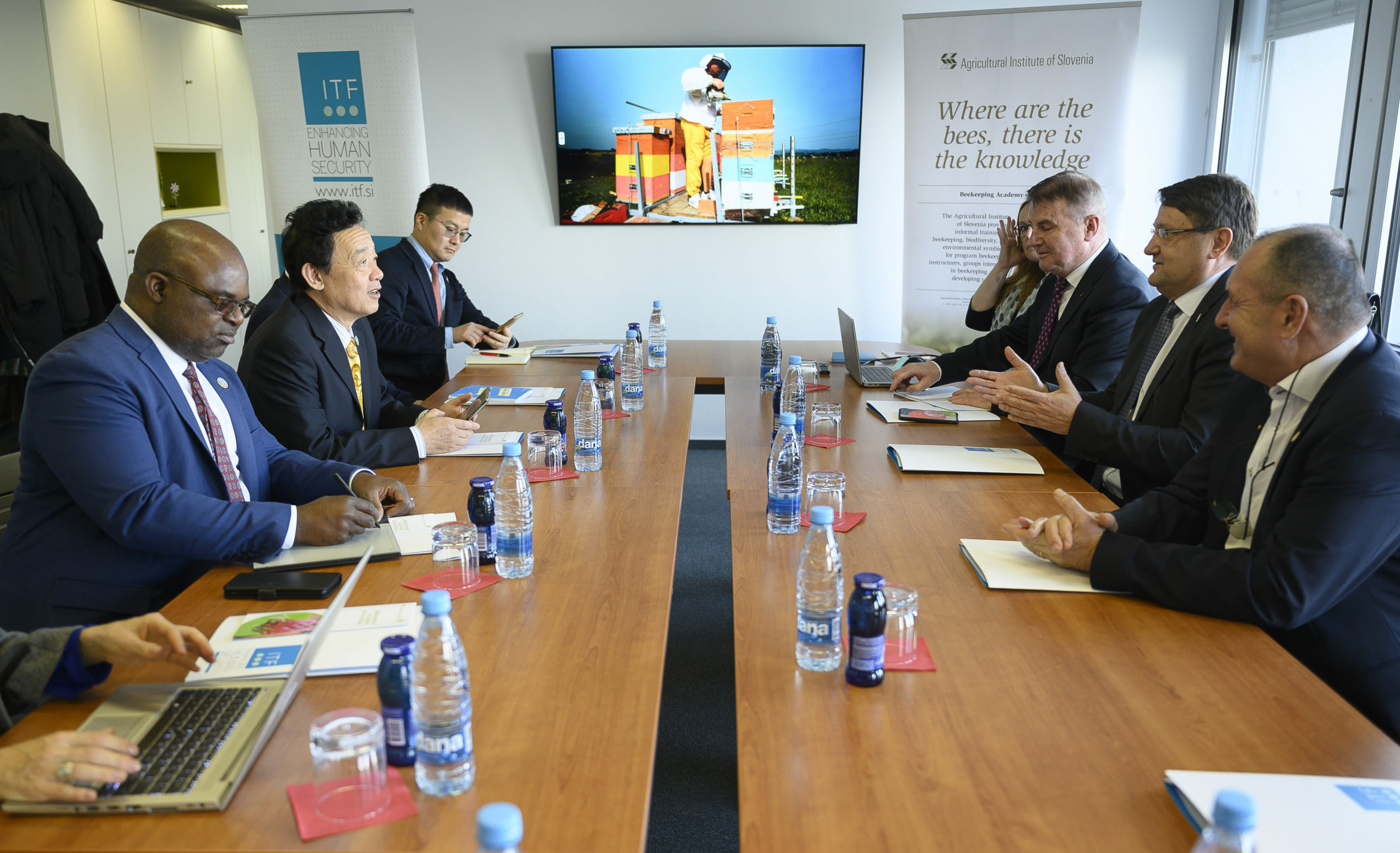
At the invitation of the President of the Republic of Slovenia, Nataša Pirc Musar, the Director-General of the Food and Agriculture Organization of the United Nations (FAO), QU Dongyu, visited Slovenia. In the field of bee diplomacy, the president highlighted the possibility of including FAO in the partnership project of the ITF Enhancing Human Security (ITF), the Beekeeping Academy of Slovenia of the Agricultural Institute of Slovenia and the Organization of Amputees UDAS Republike Srbske, as well as the possibility of expanding this project to other regions. In this connection, the director of the Agricultural Institute of Slovenia, Prof. Andrej Simončič PhD and director of the ITF MSc Tomaž Lovrenčič, presented on Tuesday, February 13, 2024 the good practices of Slovenian institutes and the joint project “Beekeeping as a tool for empowerment mine victims from BiH”, which should be expanded to Lebanon and Ukraine. The project’s goals coincide with FAO’s commitment to sustainable agriculture and highlight the transformative potential of honey production for mine victims, and beekeeping itself not only provides an additional source of income or household income, but also has a healing potential and builds resilience in war-affected communities. The Director-General of FAO expressed his satisfaction and support for such projects, which are based on the transfer of expertise with the aim of achieving long-term results and which include vulnerable social groups. The discussion went in the direction how this initiative can bring about positive change around the world.


The main donor of the project “Beekeeping as a tool for empowermrnt mine victims from BiH” is Republic of Slovenia, Ministry of Foreign and European Affairs.

Predavanje o apiturizmu za čebelarje iz Slovaške

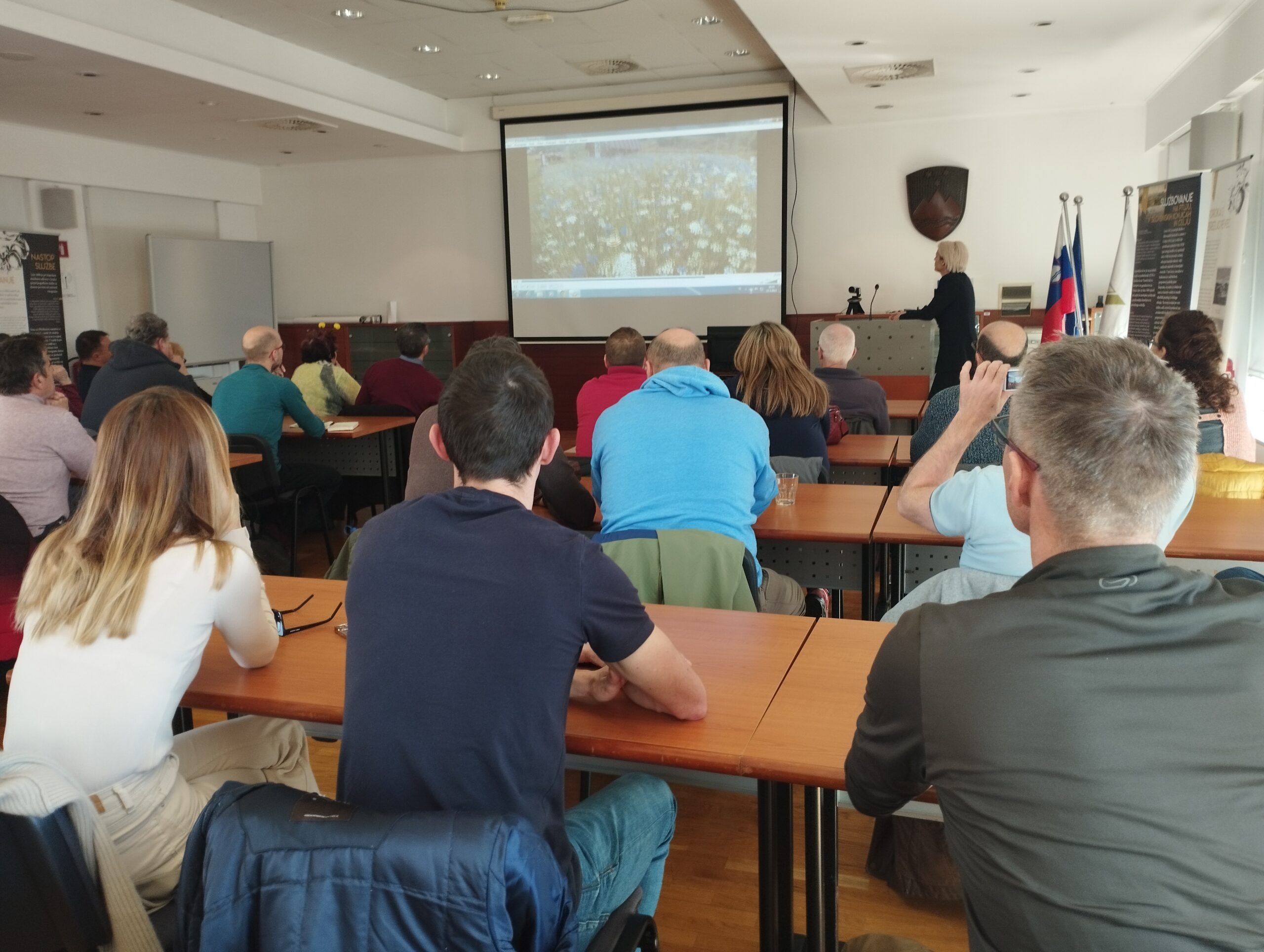
Slovenska čebelarska akademija (SČA) je sredi marca 2023 gostila 32 čebelarjev iz Slovaške od tega 11 čebelark. Gostovanje slovaških čebelarjev je rezultat uspešne predstavitve SČA na lanskoletnem kongresu Apimondia v turiškem Istanbulu, na katerem se je SČA dogovorila za študijski obisk v Sloveniji s predstavnico Slovaške čebelarske zveze, tj. Juríčková Zuzana. Na Kmetijskem inštitutu je 16. marca 2023 SČA organizirala izobraževanje na temo apiturizem, ki ga je izvedla čebelarska inštruktorica Tanja Arih Korošec, ustanoviteljica blagovne znamke ApiTours turistične agencije Aritours in koordinatorka delovne skupine za apiturizem pri Apimondiii.

Izobraževanje na temo Raznolikost čebelarskih praks za trajnostno čebelarstvo, je zajemalo sklope:

  •  Svetovni turistični trendi, ki vodijo turistično ponudbo,
  • Sistem certificiranja ponudnikov čebelarskega turizma v Sloveniji,
  • Apiturizem kot gospodarska priložnost in dodana vrednost klasičnemu turizmu ter
  • prikaz dobrih primerov praks korporativnega razvoja v Sloveniji.


Čebelarji iz Slovaške so naslednji dan obiskali še sejem ApiSlovenija in si ogledali razstavni prostor Slovenske čebelarske akademije.

Education in June 2021

On June 10, 2021, a webinar was held on the topic of Secrets of the success of Slovenian beekeeping under the auspices of the Slovenian Beekeeping Academy. It was attended by 35 individuals, beekeepers and beekeeping enthusiasts from abroad. Dr. Peter Kozmus prepared a presentation on Slovenian beekeeping intended for the general public, presented the reasons for the success of Slovenian beekeepers, told something about the organization of Slovenian beekeepers, the history and natural conditions under which beekeepers work in Slovenia. Positive projects were also presented (traditional Slovenian breakfast, World Bee Day initiative, beekeeping tourism in Slovenia and queen breeding), and a few words were dedicated to beekeeping technology, Apis Mellifera Carnica, and the Slovenian Beekeeping Academy and its educational programmes. The event was well received among the participants because it offered a lot of information or as one of the participants wrote: “I appreciate the opportunity to learn from beekeeping experts from Slovenia.”

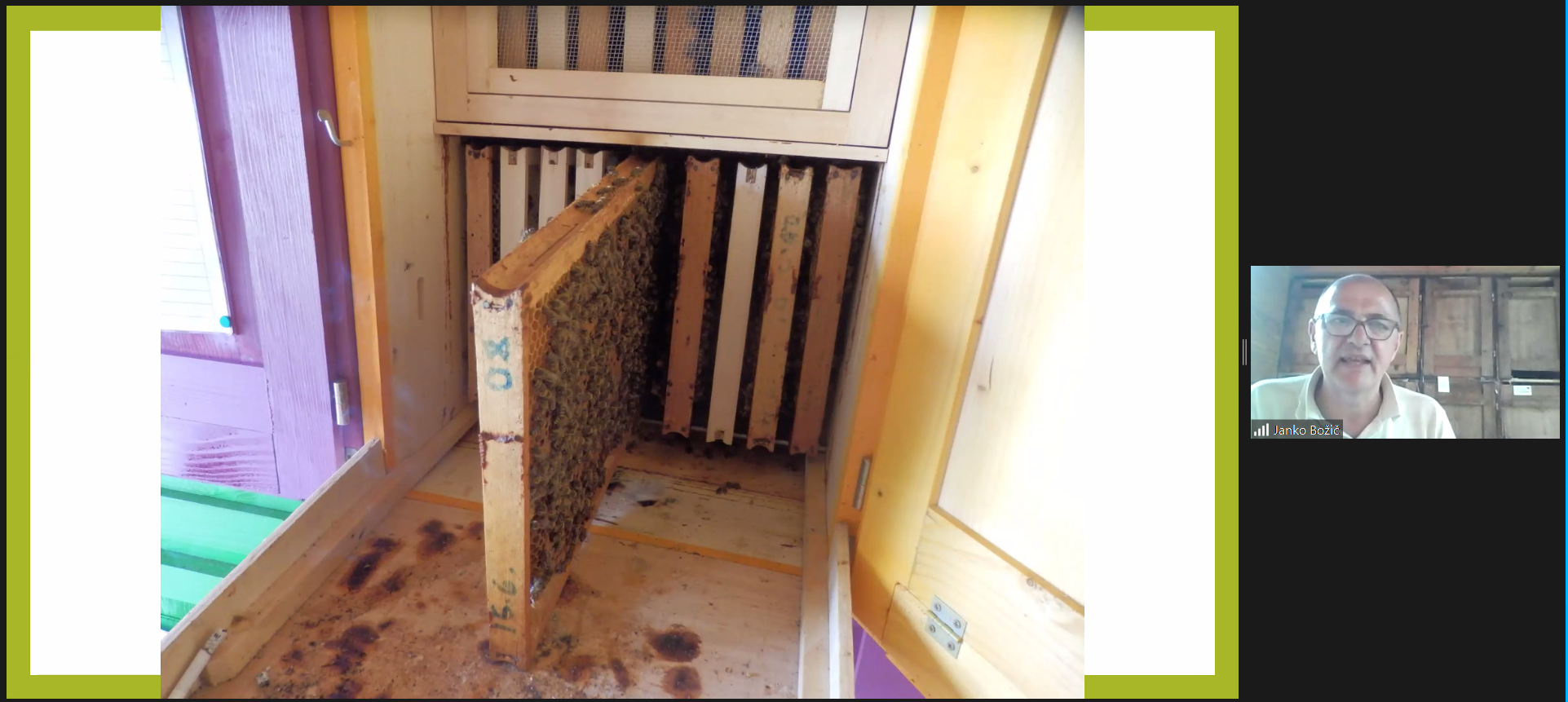
On June 17, 2021, we organized a webinar for American beekeepers on the topic of Beekeeping with AŽ hives. This time, 15 beekeepers attended the webinar on the topic of Presentation of the basic inspection of bee colonies in the AŽ hive. Under the mentorship of prof. dr. Janko Božič and BAS beekeeping instructor Dominik Jelenc there were told some theoretical basics in the first part of the webinar, and then a practical overview of the basic overview of bee families directly from the apiary at the Botanical Garden in Ljubljana. Participants learned what to look for during basic inspection of bee colonies, learned what weather conditions are suitable for examining colonies and also it was demonstrated in practice how to manage combs so that bee colony will be more successful at the peak of the season and have a larger yield of honey. At the end of the webinar, the participants asked a lot of questions and the webinar was well received, as one of the participants says: ‘‘ I think the training was well done. I find it very valuable that you have shown what has been said with the help of practical video content and live streaming from the apiary. ”


Celebrating World Bee Day on 20th of May

At Slovenia’s initiative, the 20th of May was declared World Bee Day by the United Nations (UN) in 2018. This day marks the birthday of the greatest Slovenian beekeeper Anton Janša. This year’s motto of the celebration is “Get involved – building new foundations for bees”.

In the 18th century, Anton Janša and Peter Pavel Glavar left a big mark in the field of teaching and education in Slovenia. Anton Janša was the first teacher of beekeeping at the Beekeeping School in Vienna and the author of important works such as: the Discourse on the Swarming of Bees and the Comprehensive Science of Beekeeping. Peter Pavel Glavar, whose 300th birthday is being celebrated this year, was the initiator of educating beekeepers in the Slovene language, which was intended primarily for the common peasant population in order to improve their social and economic conditions. He founded the first beekeeping school in Slovenia in Komenda and later at Lanšprež in the Lower Carniola region.
Successful beekeeping has always been based on a good knowledge of bees and beekeeping technology. The Beekeeping Academy of Slovenia, which was also founded in 2018, strives to spread and pass on Slovenian beekeeping knowledge, experience and findings to the wider world.

In the coming days, a series of events will take place in Slovenia and around the world to mark this year’s World Bee Day. At four international events, the Beekeeping Academy of Slovenia will present its activities and newly created programs, which it will implement in this year’s beekeeping season:

1. Online event of the Slovenian Embassy in Copenhagen (Denmark) in cooperation with the European Environment Agency: Listen to the Bees, time of the event: 20. 5. 2021, at 10.00

More about the event: https://www.facebook.com/events/136015818555716/?ref=newsfeed

Webinar link: http://eea.livebit.it/

2. Web conference of the Slovenian Consulate General in Cleveland in cooperation with the Ohio State Beekeepers Association: World Bee Day, time of the event: 20. 5. 2021 at 12.00 pm (EST)

More about the event: https://www.eventbrite.com/e/world-bee-day-tickets-142278297217

3. Online international forum organized by the Russian Association for International Cooperation in cooperation with the Society of Friendship and Cultural Relations with Slovenia, the Slovenia-Russia Association and the Russian National Association of Beekeepers: Bee – a symbol of life, friendship and peace, time of the event: 21. 5. 2021

4. Online event in cooperation with the Slovenian Embassy in Skopje and the Nature Conservation Program in North Macedonia: World Bee Day, time of the event: 24.5.2021

Beekeeping Academy of Slovenia announces a lecture by Dr. Peter Kozmus

DATE: 10 June 2021, 5pm (UTC)
TITLE OF THE WEBINAR: The secrets of Slovenian beekeeping success
LECTURE by dr. Peter Kozmus
The webinar is free of charge*

The webinar is intended for all the beekeepers and beekeeping enthusiasts who are interested into Slovenian beekeeping tradition, history, and efforts to preserve Carniolan honey bee. Dr. Kozmus will present the reasons why Slovenian beekeepers are successfull in their endavours, how they are organized, what are the conditions under which they work and point on particular projects with positive impact. Briefly also Beekeeping Academy of Slovenia will be presented and its educational programmes.

Dr. Peter Kozmus is Vice President of APIMONDIA, International Federation of Beekeepers’ Associations, professional leader of Breeding program for Carniola honeybee in Slovenia and president of the Council for beekeeping at the Ministry for Agriculture, Forestry and Food in Slovenia. He also is the leader for World Bee Day initiative at Slovenian Beekeepers Association. Furthermore he is a beekeeper with more than 25 years of experience and around 100 bee colonies. His passion is rearing of the queens and the concern for preserving Carniolan bees in Slovenia.

*If you would like to attend the webinar – apply to sca@kis.si until 5 June 2021.

American beekeepers are trained by the Beekeeping Academy of Slovenia

Beekeeping Academy of Slovenia (BAS), an organisational unit of the Agricultural Institute of Slovenia, successfully conducted two online educational events for American beekeepers on the subject of beekeeping with AŽ hives in collaboration with beekeeping instructors. 70 American beekeepers attended online educational events held on 26/ 3/2021 and 2/ 4/2021 via the Zoom platform.

Under the mentorship of prof. dr. Janko Božič (Biotechnical Faculty, University of Ljubljana), in collaboration with dr. Lucija Žvokelj (National Veterinary Institute, Faculty of Veterinary Medicine, University of Ljubljana) and experienced beekeeper and instructor Mitja Smrdel, the BAS conducted educational consultations on two separate levels of complexity, bringing American beekeepers closer to beekeeping with AŽ hives. Anton Žnideršič developed a hive around the turn of the 20th century, and today, more than 90% of Slovenian beekeepers use it as a significant Slovenian invention. The course introduced American beekeepers to the specifics of beekeeping with AŽ hives, as well as different aspects of bee health and answered questions about essential beekeeping activities.

The Belgrade Beekeepers’ Association (BUP) invites BAS to participate

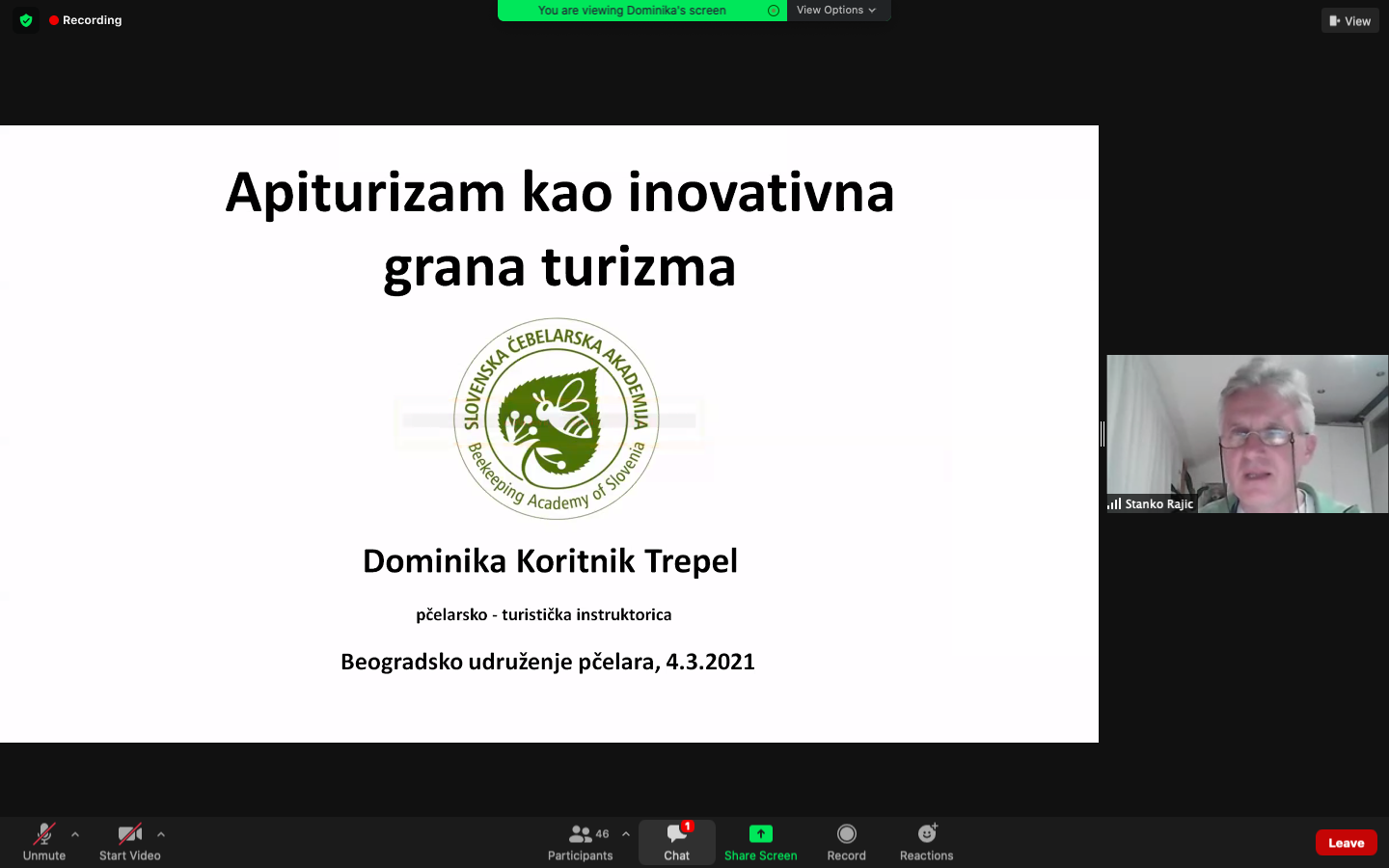
The Belgrade Beekeepers’ Association (BUP) asked the Beekeping Academy of Slovenia to organise one lecture in a series of webinars for a wider audience of beekeepers in the Western Balkans at the beginning of March 2021. Dominika Koritnik Trepel, an American beekeeping instructor, gave a two-hour lecture on “Apitourism as an innovative branch of tourism,” which was attended by 59 people. The lecture was given in Serbian. More… >  here